What is metal welding
Metal welding is a joining process that uses controlled heat to fuse two or more metal components into a durable assembly. It is widely used for sheet metal enclosures, brackets, frames, equipment panels and structural parts where joint strength and dimensional stability matter.
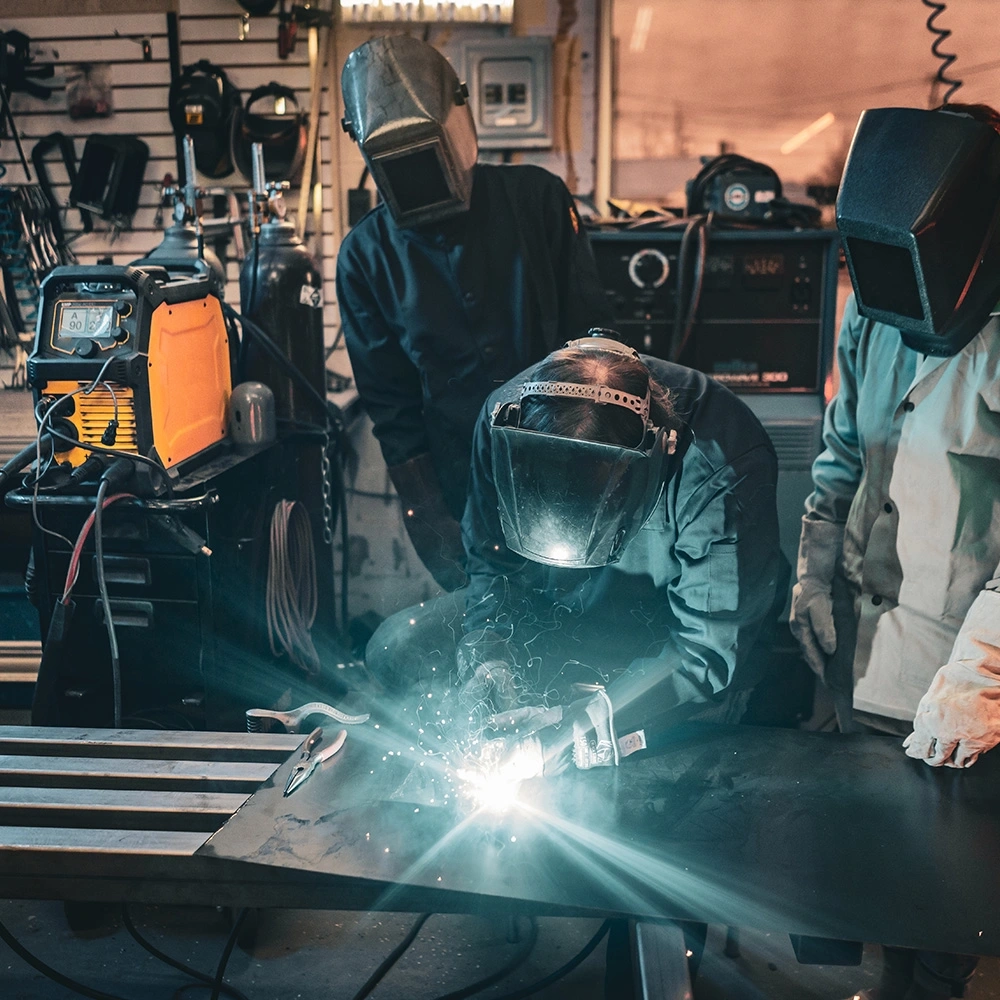
At XHX Metal, Guangdong Xinghaoxin Technology Co., Ltd., welding is integrated with precision sheet metal fabrication rather than treated as an isolated operation. Our Dongguan team combines laser cutting machines, CNC bending, TIG welding, MIG welding, laser welding, automatic deburring and CNC machining to support drawing-based OEM/ODM projects.
The practical goal is simple: select a welding route that matches the material, thickness, joint design, appearance requirements and production volume. Reviewing these factors before production helps reduce distortion, rework and assembly problems while keeping the finished part aligned with the approved drawing.
How does metal welding work?
Welding creates a permanent joint by bringing the edges of compatible metal parts into a controlled molten or softened state. Depending on the process, the joint may use a filler wire or rely mainly on the base materials. After cooling, the joined area becomes part of the completed assembly.
A reliable weld begins with accurate fit-up and clean joint preparation. The operator or programmed equipment then controls heat input, travel speed, shielding gas and welding sequence. These variables affect penetration, bead appearance, distortion and the final strength of the joint.
For sheet metal assemblies, welding should be planned together with cutting, bending and finishing. Bend allowances, access for the torch, joint gaps, weld symbols and post-weld inspection points should be clear in the drawing package. This process-focused approach makes the assembly easier to produce and more repeatable from batch to batch.
| XHX design tip: Show weld symbols, joint locations, cosmetic surfaces and critical dimensions on the drawing. If a seam must be leak-resistant or visually uniform, state the acceptance requirement before quotation. |
XHX Metal welding methods
Different welding processes solve different fabrication challenges. XHX Metal selects the method according to material grade, thickness, joint geometry, appearance, strength and quantity.
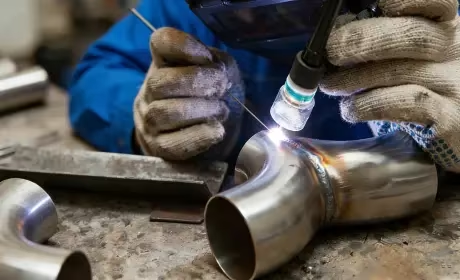
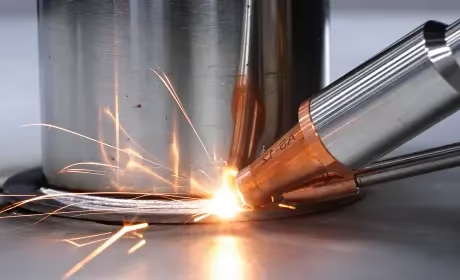
A controlled process suited to stainless steel, aluminum and thinner sheet metal. TIG can produce clean, accurate welds where appearance, heat control and a refined bead are important.
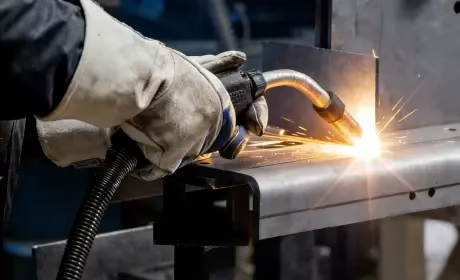
A productive arc-welding method for carbon steel, stainless steel and structural fabrication. It is suitable for frames, brackets, cabinets and parts that require efficient deposition.
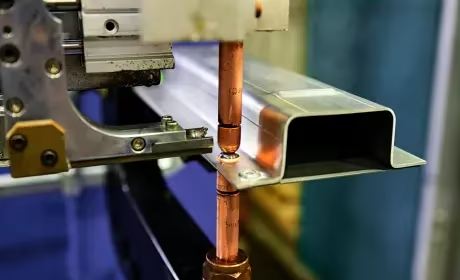
A resistance-welding option for overlapping sheet metal components. It can create repeatable localized joints for suitable enclosures, panels and high-volume assemblies.
A focused, low-heat-input process for precise seams and complex joints. It can help limit thermal distortion and is useful for selected precision sheet metal assemblies.
Materials and joint planning
Material selection affects weldability, heat response, corrosion resistance, weight, appearance and cost. The same joint design may require different parameters for aluminum, carbon steel or stainless steel, so the approved material grade and thickness should be fixed before production.
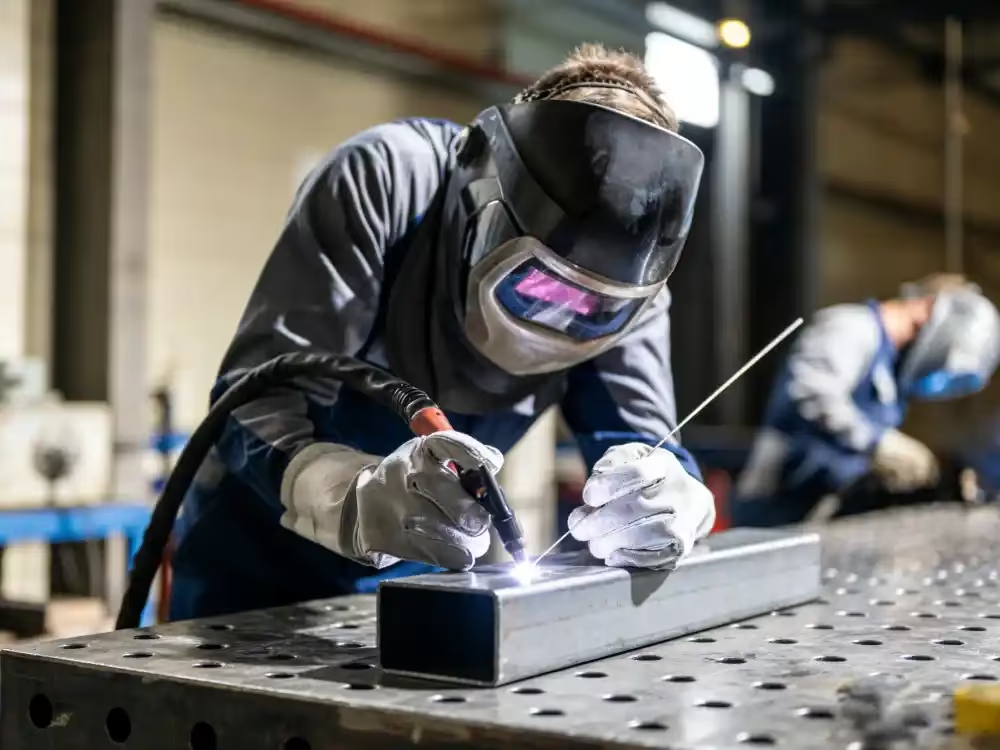
- Carbon steel: Cost-effective strength for brackets, frames, cabinets and industrial parts. Joint preparation and surface protection should be considered together.
- Stainless steel: Useful where corrosion resistance, cleanability and a durable appearance are required. TIG or laser welding may be selected for controlled heat and visible seams.
- Aluminum: Supports lightweight enclosures, covers and frames. Its thermal behavior makes heat input, fixturing and distortion control especially important.
- Brass and other approved metals: Can be reviewed for selected components according to conductivity, appearance, formability and the required joining method.
Joint design should also account for access, clamping, weld sequence and finishing. A well-planned joint can reduce unnecessary weld length, improve appearance and make post-weld deburring or coating more efficient.
Metal welding capabilities
XHX Metal organizes welding around the complete fabrication route. The following reference points describe our verified production profile; exact limits and tolerances are confirmed against the part drawing, material, quantity and inspection requirements.
| Capability area | XHX Metal reference |
| Cutting before welding | laser cutting machines; cutting accuracy can reach approximately ±0.01 mm under suitable conditions and approved drawing requirements. |
| Welding processes | TIG, MIG and laser welding selected according to material, thickness, joint geometry and appearance requirements. |
| Pre- and post-weld support | CNC bending, automatic deburring, CNC machining and coordinated finishing support the complete sheet metal route. |
| Materials | Carbon steel, stainless steel, aluminum, brass and other approved materials subject to weldability and drawing review. |
| Project scope | OEM/ODM, drawing-based fabrication, sample customization, prototypes, small batches and production orders. |
| Quality system | ISO 9001 quality management, CE and SGS-related project documentation where applicable, with inspection and traceability requirements confirmed per order. |
For an accurate quotation, share the 2D drawing, 3D CAD file if available, material and thickness, weld symbols, cosmetic requirements, quantity, finish and target delivery date. This gives the engineering team a practical basis for reviewing the process route and identifying manufacturability risks early.
Welding quality control
Weld quality is controlled through preparation, in-process checks and final inspection. The inspection plan is matched to the part function and customer drawing rather than relying on a single visual check.
- Drawing and material review: Confirm material grade, thickness, joint locations, weld symbols, critical dimensions and surface requirements before production.
- Fit-up and process checks: Check edge condition, alignment, clamping and welding parameters during fabrication to reduce gaps, undercut, burn-through and distortion.
- Visual and dimensional inspection: Review weld appearance, joint continuity, part geometry and key dimensions against the approved drawing and project acceptance criteria.
- Traceability and documentation: Provide project-specific inspection records and material documentation when required by the order or customer quality plan.
If a project requires pressure testing, special inspection or additional compliance documentation, the requirement should be stated during RFQ so the method, equipment and records can be planned in advance.
Why choose XHX Metal for welded sheet metal parts?
XHX Metal combines fabrication processes in one production workflow, helping customers coordinate cut parts, formed components, welded assemblies and secondary operations with fewer handoffs. Our focus is practical engineering: clear drawings, suitable process selection, consistent production and responsive communication.
- Integrated fabrication: Laser cutting, CNC bending, TIG/MIG/laser welding, automatic deburring and CNC machining can be coordinated within one supplier workflow.
- Drawing-based customization: We support OEM/ODM projects built around customer drawings, samples, material requirements and production quantities.
- Precision-focused equipment: laser cutting machines support accurate preparation of sheet metal blanks before bending and welding.
- Flexible project scale: Prototype, small-batch and production orders can be reviewed according to geometry, material, finish and delivery requirements.
- Quality and traceability: ISO 9001-based quality management and project-specific inspection planning help keep the finished assembly aligned with its intended use.
How to prepare a welding RFQ
A complete RFQ package allows the fabricator to evaluate joint design, labor, material usage, tooling, finishing and inspection requirements with fewer assumptions. Include:
- The latest 2D drawing and, when available, the 3D CAD file with revision status.
- Material grade, thickness, quantity and any approved alternatives.
- Weld symbols, joint locations, weld length, cosmetic surfaces and critical dimensions.
- Required finishing, coating, masking, deburring and assembly details.
- Inspection points, documentation needs, packaging and delivery destination.
| Work with XHX Metal: Share your drawings and welding requirements with XHX Metal for a practical manufacturability review and quotation. Our Dongguan team supports custom sheet metal fabrication, welded enclosures, brackets, frames and equipment components for OEM/ODM projects. |
Capability FAQ
Can welded cabinet structures be manufactured from drawings?
Yes. Custom cabinet structures, frames and housings can be reviewed from customer drawings and project requirements.
Can weld cleanup and finishing be coordinated?
Weld cleanup and surface preparation can be coordinated with finishing requirements as part of the wider workflow.
What assembly information should be included?
Drawings should show intended joints, assembly interfaces, supplied components and any finishing or hardware requirements relevant to the completed structure.
Can welding be reviewed with coating requirements?
Yes. The project can be reviewed with downstream finishing and coating considerations in mind.