What is metal bending?
Metal bending is the precision-forming process that permanently shapes sheet metal into structural angles and complex geometries. It is the value-adding step that transforms flat, laser-cut blanks into the durable frames, enclosures and supports that give a product its strength, form and function.
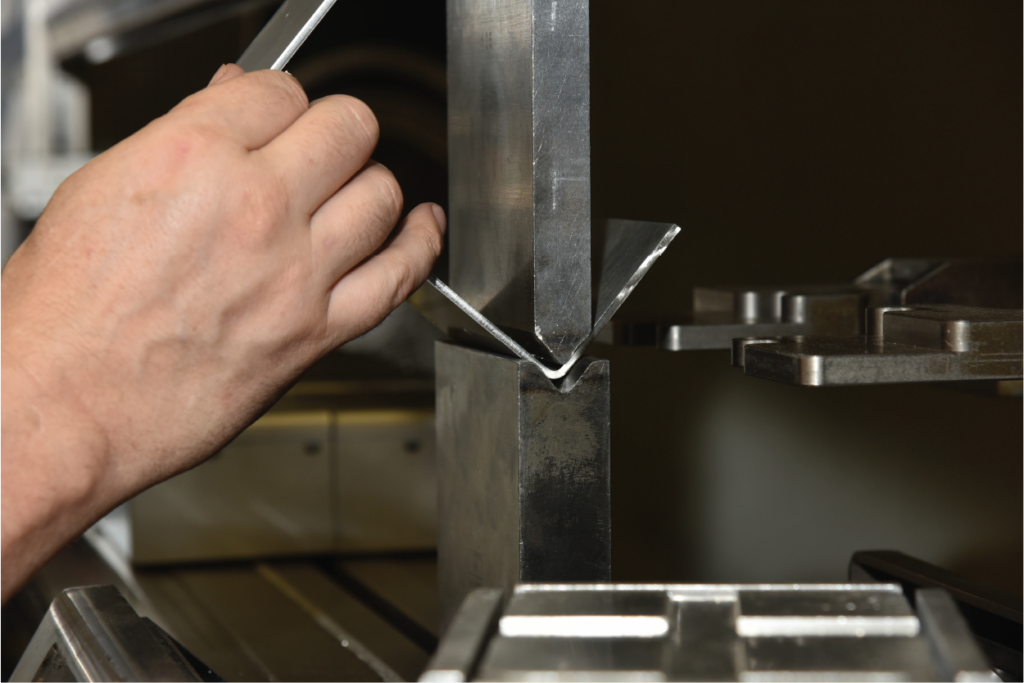
At XHX Metal, Guangdong Xinghaoxin Technology Co., Ltd., we engineer bending solutions around fit, consistency and assembly requirements. Our Dongguan-based team combines fiber laser cutting, CNC bending, TIG/MIG/laser welding, automatic deburring and CNC machining to support drawing-based OEM/ODM fabrication. We focus on reducing misalignment and rework by reviewing manufacturability before production begins.
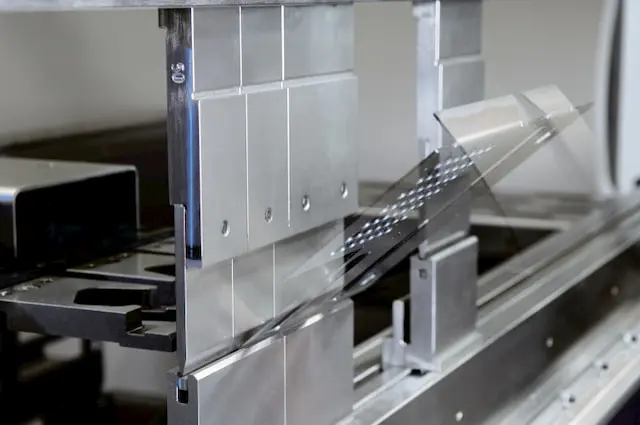
For projects using sheet metal bending, customers can share 2D drawings, 3D CAD files, material requirements and target quantities for a technical review. This workflow helps clarify cost, process route, quality expectations and delivery planning for prototypes, small batches and production orders.
How does metal bending work?
Metal bending is a precision-forming process that permanently deforms sheet metal into specific angles and shapes—such as V-bends, U-channels and complex profiles—by applying calculated force along a straight axis. It is the step that transforms a flat, laser-cut blank into a functional three-dimensional component.
A sheet is accurately positioned between a matched punch and die within a CNC press brake. The punch applies controlled force, pressing the material into the die to achieve the programmed bend angle and internal radius. The process depends on digital control of critical parameters such as bend angle, radius, tonnage and compensation for material springback.
Material thickness, tensile strength, grain direction, tooling selection and bend sequence all affect the finished part. Reviewing these variables in advance helps prevent cracking, distortion, feature interference and inconsistent flange positions. The result is a stronger, more dimensionally controlled component that is easier to assemble and repeat from batch to batch.
| XHX design tip: Include the bend direction, inside radius and critical bend-to-hole or bend-to-edge dimensions in the drawing. These details give the fabricator a reliable basis for tooling and inspection planning. |
XHX Metal sheet metal bending methods
There are several precision methods for bending sheet metal, each suited to different design and production challenges. Selecting the right technique depends on the required strength, accuracy, radius, material, quantity, surface sensitivity and tooling plan.
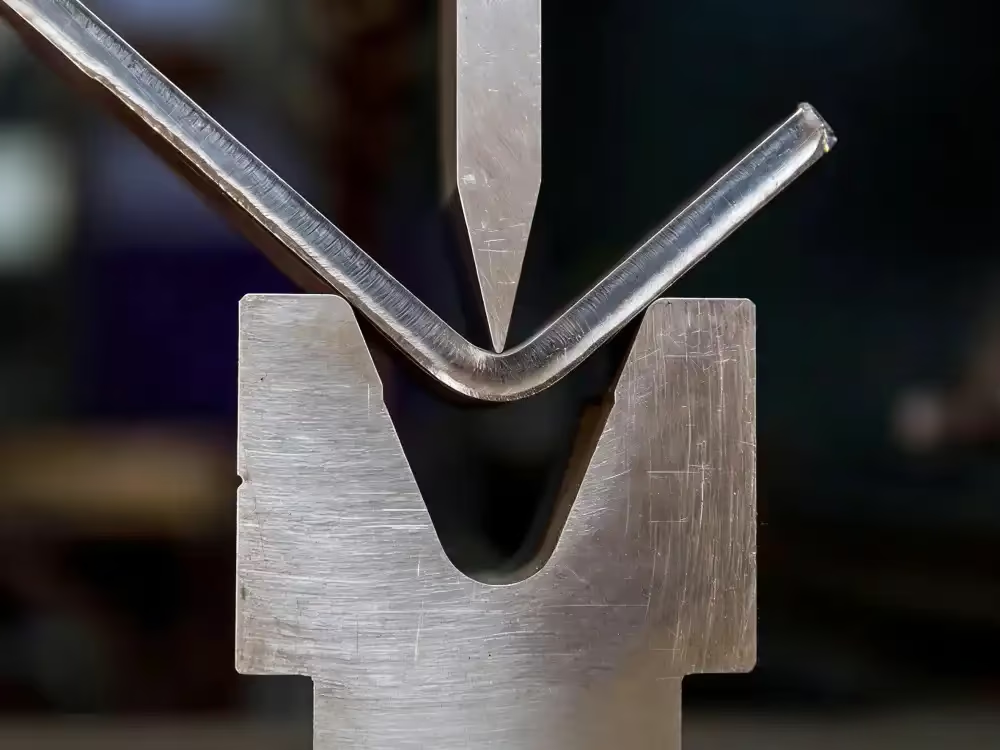
V-Bending
This versatile method uses a V-shaped die and punch to create precise bends. It balances speed and accuracy and is suitable for a wide range of angles and production volumes.
Air Bending
The punch contacts the sheet without fully bottoming in the die, creating the bend with controlled air space underneath. One tool set can form multiple angles, providing flexibility for prototypes and varied designs.
Bottoming
The punch forces the sheet more fully into the die, increasing contact and reducing springback. It can improve angle repeatability when a defined bend is important.
Coining
A high-force process plastically deforms the material between the punch and die. It can minimize springback and is used when dimensional stability is particularly demanding.
U-Bending
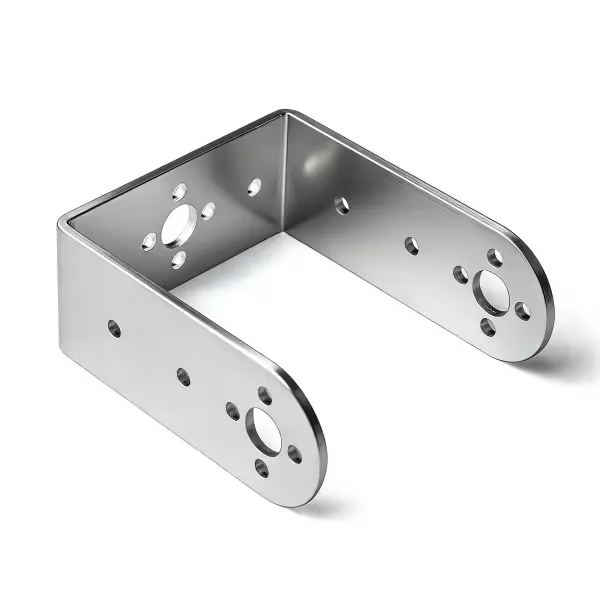
This method forms a U-shaped channel using a punch and die or a planned sequence of bends. It is useful for housings, ducts, trays and structural channels.
Roll Bending
Three rollers gradually curve sheet metal into large radii or cylinders. It is suited to smooth continuous curves for tubes, cones and rounded industrial components.
Rotary Bending
A moving or rotating tool forms the sheet while helping reduce surface marking. It can be useful for pre-finished or appearance-sensitive materials when the tooling route is suitable.
Step Bending
A series of small adjacent V-bends approximates a larger radius curve. This can create smooth contours without dedicated roll tooling and is practical for some low-volume curved parts.
Metal bending materials selection
Material selection affects formability, strength, corrosion resistance, weight, appearance and cost. Each grade responds differently to bending force and springback, so the selected radius and process sequence should be reviewed with the drawing and operating environment in mind.
Solve weight challenges without sacrificing useful strength. Aluminum offers a strong strength-to-weight ratio and natural corrosion resistance, making it a practical choice for lightweight enclosures, brackets, covers and equipment frames.
- Common grades:
- Aluminum 5052 for excellent formability;
- Aluminum 6061 for higher structural strength;
- Aluminum 5083 for demanding corrosion-resistance applications.
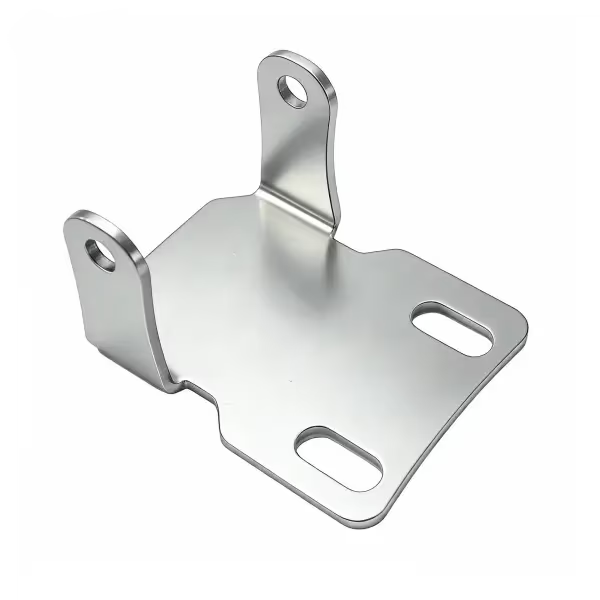
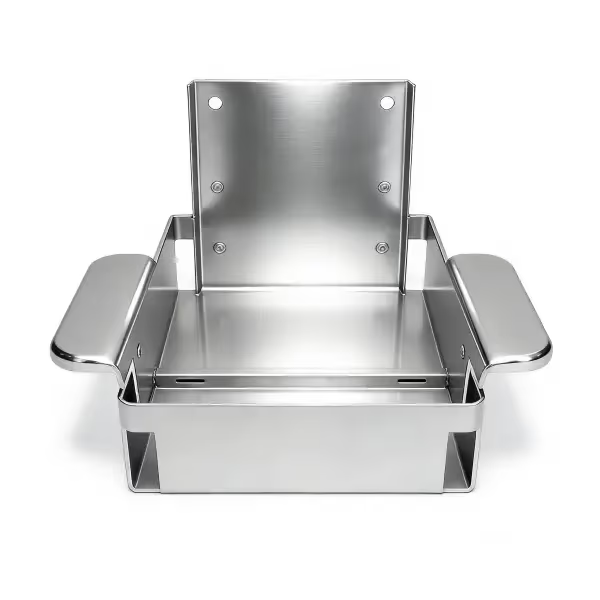
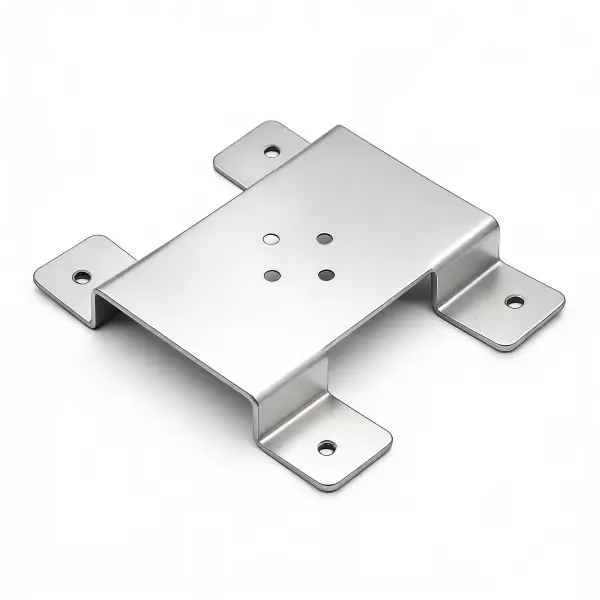
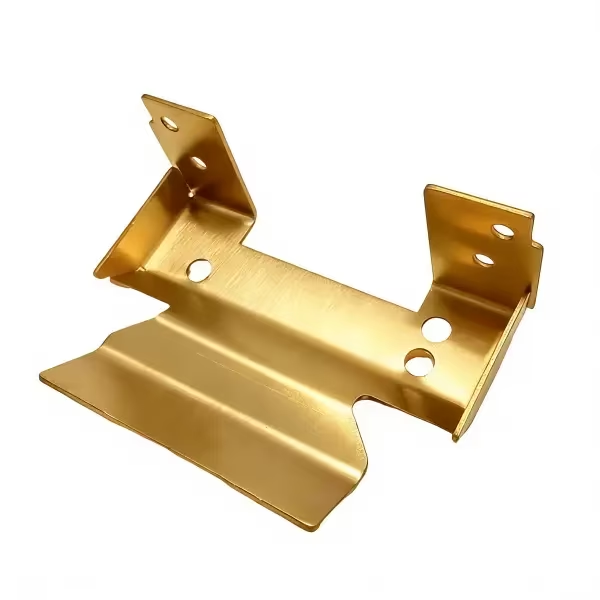
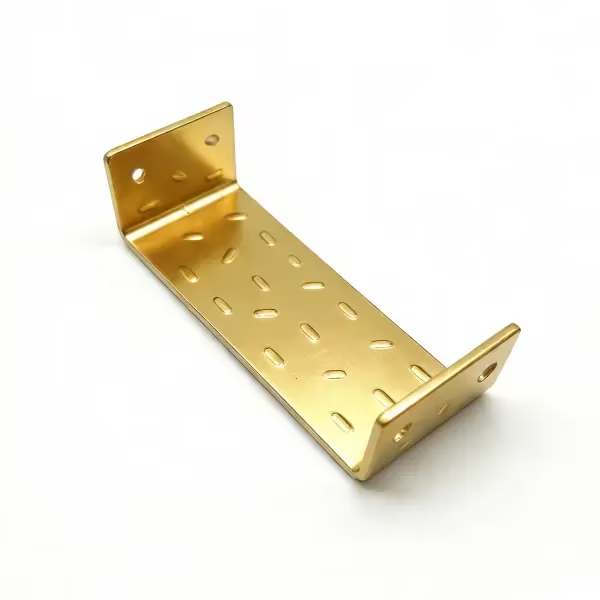
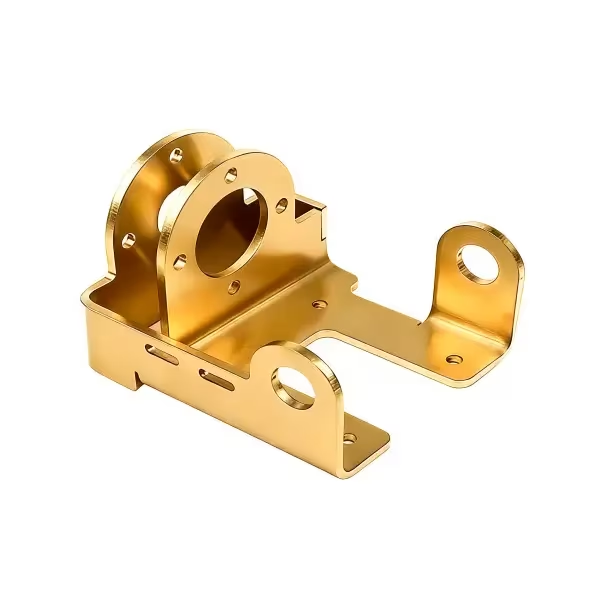
Balance machinability with appearance and conductivity. Brass is malleable and corrosion-resistant and can be used for decorative components, precision hardware, fittings and selected formed parts where its finish and material properties are appropriate.
- Common grades:
- Brass C27400,
- Brass C28000 and Brass C36000,
Build for durable, cost-effective strength. Steel remains a common choice for brackets, cabinets, frames and industrial parts where structural integrity and economical production are priorities.
- Common grades:
- SPCC cold-rolled steel,
- SGCC galvanized steel,
- Q235 structural steel and low-carbon Steel 1020,
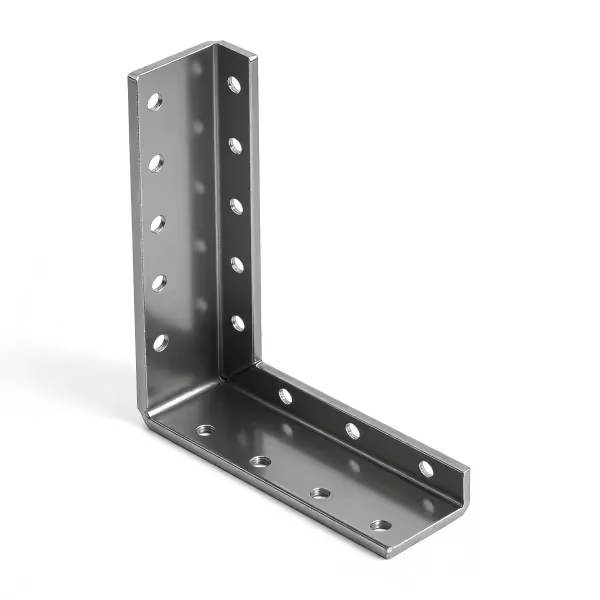
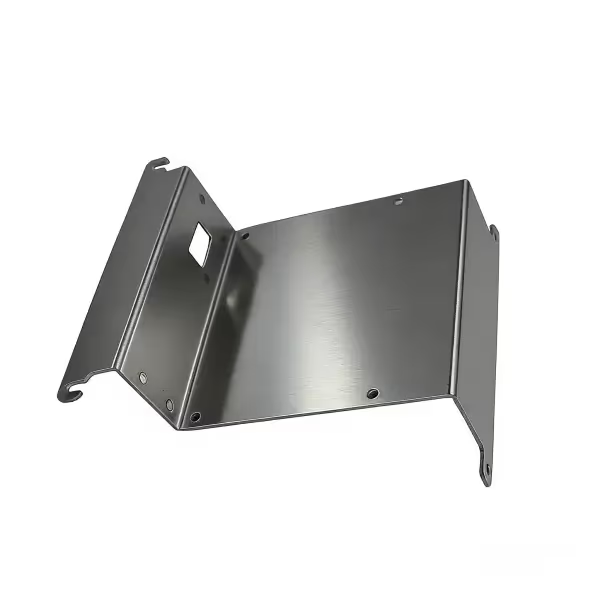
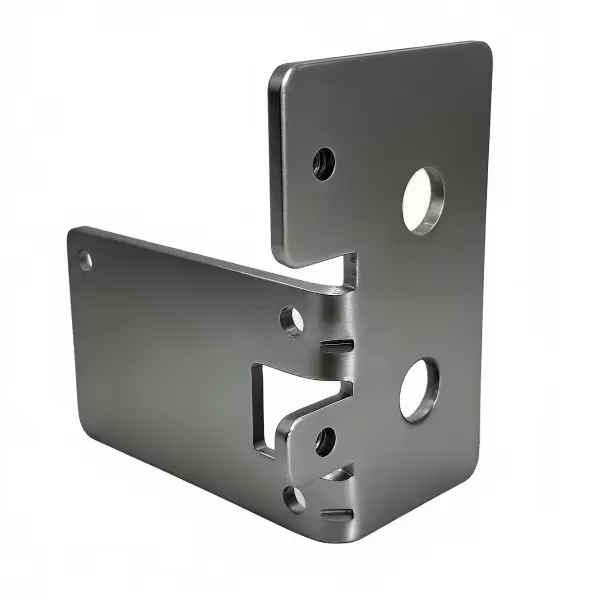
Engineer for environments where corrosion resistance, strength and cleanability matter. Stainless steel is widely used for industrial housings, food-related equipment, outdoor components and other applications requiring a durable surface.
- Common grades:
- SUS 304 for general-purpose use and SUS 316 for marine,
Surface finishes for bent metal parts
The finish should be selected together with the material, operating environment, appearance requirements and inspection criteria. XHX Metal can coordinate common secondary processes according to the approved project specification.
The surface remains in the condition produced by cutting, forming and fabrication. This is often the fastest and most economical choice for functional brackets, internal frames and non-cosmetic
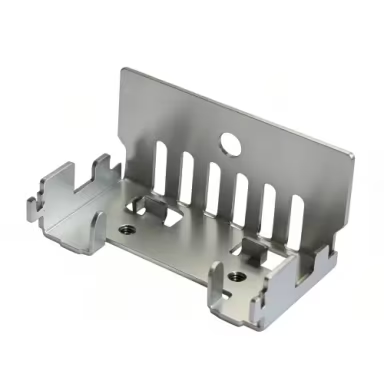
A unidirectional satin texture helps create a consistent appearance and can mask minor handling marks on consumer-facing panels, appliances and architectural trim.
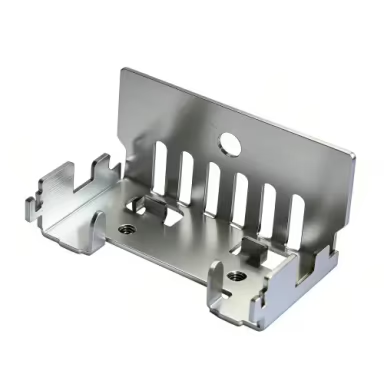
For aluminum components, anodizing creates a durable oxide layer that can improve wear and corrosion resistance and support color selection.
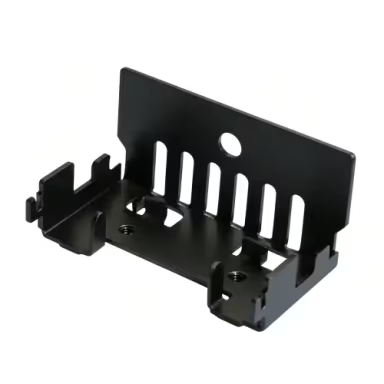
Polishing removes fine surface imperfections and creates a reflective finish where appearance, cleanability or light reflectivity is important.
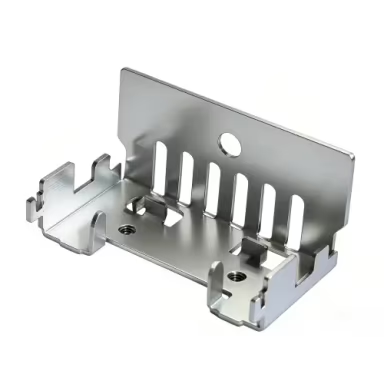
This conversion coating can add a dark, non-reflective appearance to steel parts with minimal dimensional change, subject to the selected process and protection requirements.
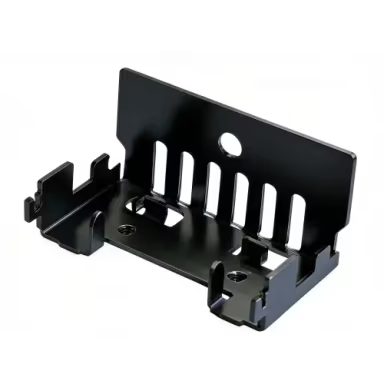
Powder coating provides a durable colored finish for many steel and aluminum components. Color, texture, coating thickness and masking areas should be confirmed before production.
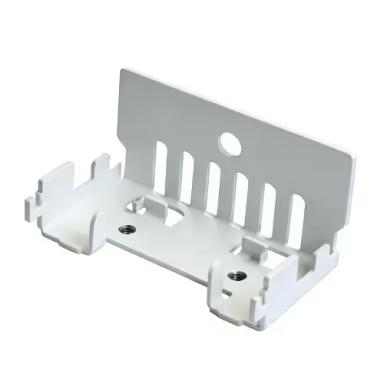
For suitable stainless steel parts, passivation can support corrosion-resistance objectives after fabrication. The required standard and acceptance criteria should be defined in the project documentation.
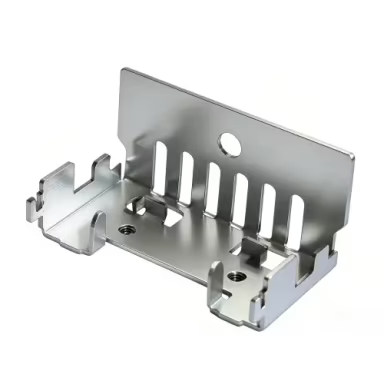
Precision metal bending capabilities
Our bending capabilities are organized around part size, material, geometry, tolerance and the complete production route. Because finished limits depend on the selected equipment, tooling, material and drawing, project-specific values should be confirmed during quotation rather than assumed from a general table.
| Capability area | XHX Metal reference |
| Cutting before bending | Two 6kW fiber laser cutting machines; cutting accuracy can reach approximately ±0.01 mm under suitable conditions and approved drawing requirements. |
| CNC forming | CNC press-brake bending for angles, flanges, channels, brackets, panels and enclosure components; tooling and bend sequence are selected per part. |
| Material range | Aluminum, brass, steel, stainless steel and other approved sheet materials, subject to thickness, geometry and formability review. |
| Bend-to-feature control | Bend-to-hole, bend-to-edge and flange dimensions are controlled against the approved drawing; achievable tolerance depends on material and process route. |
| Secondary operations | TIG, MIG and laser welding, automatic deburring, CNC machining and coordinated surface treatment support. |
| Production scope | OEM/ODM, drawing-based fabrication, sample-based customization, prototypes, small batches and production orders. |
| Quality support | ISO 9001:2015 quality management, project-specific inspection planning and material traceability when required. |
| Lead time | Confirmed per material availability, quantity, finish, assembly scope and delivery requirements; expedited planning can be reviewed during quotation. |
For the most accurate assessment, send the 2D drawing, 3D CAD file, material and thickness, quantity, finish, tolerance requirements and target delivery date. This allows the engineering team to confirm the practical bend route and avoid quoting from unsupported assumptions.Precision metal bending capabilities
Our bending capabilities are organized around part size, material, geometry, tolerance and the complete production route. Because finished limits depend on the selected equipment, tooling, material and drawing, project-specific values should be confirmed during quotation rather than assumed from a general table.
| Capability area | XHX Metal reference |
| Cutting before bending | Two 6kW fiber laser cutting machines; cutting accuracy can reach approximately ±0.01 mm under suitable conditions and approved drawing requirements. |
| CNC forming | CNC press-brake bending for angles, flanges, channels, brackets, panels and enclosure components; tooling and bend sequence are selected per part. |
| Material range | Aluminum, brass, steel, stainless steel and other approved sheet materials, subject to thickness, geometry and formability review. |
| Bend-to-feature control | Bend-to-hole, bend-to-edge and flange dimensions are controlled against the approved drawing; achievable tolerance depends on material and process route. |
| Secondary operations | TIG, MIG and laser welding, automatic deburring, CNC machining and coordinated surface treatment support. |
| Production scope | OEM/ODM, drawing-based fabrication, sample-based customization, prototypes, small batches and production orders. |
| Quality support | ISO 9001:2015 quality management, project-specific inspection planning and material traceability when required. |
| Lead time | Confirmed per material availability, quantity, finish, assembly scope and delivery requirements; expedited planning can be reviewed during quotation. |
For the most accurate assessment, send the 2D drawing, 3D CAD file, material and thickness, quantity, finish, tolerance requirements and target delivery date. This allows the engineering team to confirm the practical bend route and avoid quoting from unsupported assumptions.
Key advantages of precision metal bending
Precision metal bending solves practical fabrication challenges by transforming flat stock into stronger, more consistent and easier-to-assemble components. When the design and process are aligned, bending can improve both production efficiency and finished-part reliability.
- Reduce Costs and Simplify Assembly: Consolidate multiple pieces into single continuous forms. Bending can reduce welding, labor, fasteners and material waste while making the final assembly more straightforward.
- Eliminate Assembly Errors: Consistent bend angles and controlled flange positions help components align during assembly, reducing avoidable rework and fit problems.
- Accelerate Production Timeline: A coordinated digital workflow from laser-cut blank to CNC-formed part helps shorten handoffs and supports faster transition from prototype to production.
- Enhance Structural Integrity: Formed channels, flanges and returns can increase stiffness without adding unnecessary material or separate welded members.
- Achieve Design Flexibility: A planned bend sequence can produce angles, channels, housings and complex profiles from relatively simple sheet blanks.
- Ensure Batch Consistency: Controlled tooling, setup documentation and inspection criteria help produce repeatable parts across prototypes and production runs.
- Support Material Efficiency: Nesting and bend-aware design can reduce scrap and improve sheet utilization before production begins.
Applications of metal bending
Precision metal bending transforms sheet metal into durable, functional components for many industries. The process can improve structural integrity, assembly efficiency, service access, airflow and visual consistency.
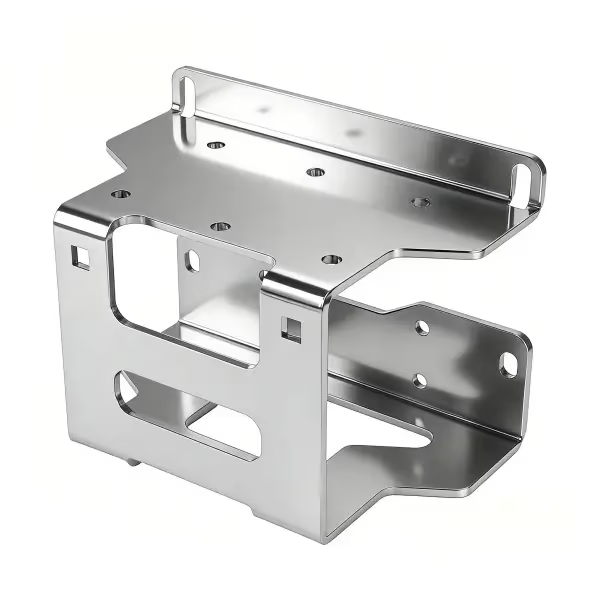
- Enclosures and Electronic Housings: Single-piece bent designs can improve panel alignment, simplify assembly and provide a practical base for ventilation, shielding, cable access and mounting features.
- Structural Frames and Support Brackets: High-strength, precision-bent frames and brackets provide repeatable support for machinery, vehicles, equipment and building systems.
- Ducting and Fluid Transport Systems: Smooth bends and controlled radii can support airflow and fluid-transfer designs in HVAC, exhaust and processing equipment.
- Automotive and Transportation Components: Lightweight formed parts can be used for brackets, reinforcements, covers and structural supports where strength and weight both matter.
- Consumer and Architectural Products: Clean lines, consistent bends and controlled finishes help combine appearance with durability in appliances, furniture, panels and architectural features.
- Medical Equipment Components: Precision-bent enclosures, supports and handles can be designed around cleanability, dimensional accuracy and the documentation requirements of the project. Any medical-specific certification must be confirmed separately.
- Renewable Energy Systems: Corrosion-resistant brackets, cable trays, mounting structures and equipment enclosures can be formed for solar, storage and other renewable-energy installations.
- Communication Equipment: Bent cabinets, panels and mounting parts can be coordinated with ventilation, cable routing, service access and installation constraints for communication hardware.
How to prepare a metal bending RFQ
A clear drawing package helps the fabricator evaluate material usage, tooling, labor, secondary operations and inspection requirements. Before requesting a quotation, include:
- The latest 2D drawings and 3D CAD files with revision status.
- Material grade, temper where relevant, thickness and approved alternatives.
- Bend angles, inside bend radii, bend direction and critical clearances.
- Critical-to-function dimensions, tolerances and inspection points.
- Weld symbols, hardware, surface finish, color and masking requirements.
- Quantity, prototype or production status, packaging and delivery destination.
| Work with XHX Metal: XHX Metal supports custom sheet metal fabrication from Dongguan, including fiber laser cutting, CNC bending, welding, deburring and CNC machining. Share your drawings and requirements for a practical manufacturability review and quotation. |
Capability FAQ
What information is required for formed sheet metal parts?
Approved drawings should show the intended part geometry, bend locations, dimensions, material requirements and any assembly interfaces.
Can multi-bend enclosure panels be manufactured?
Multi-bend panels can be reviewed from drawings as part of the enclosure or cabinet manufacturing evaluation.
How are bend requirements reviewed before production?
Bend direction, sequence, flange dimensions, holes near bends and fit with adjacent parts are reviewed against the approved drawing.
Can bent parts proceed to welding or assembly?
Yes. Formed parts can be coordinated with welding, hardware installation and final assembly requirements.