What is surface finishing?
Surface finishing is the final treatment applied to a metal or plastic component after cutting, forming, machining or welding. Depending on the application, the treatment may clean the surface, remove burrs, improve corrosion or wear resistance, support paint adhesion, or create a defined visual texture.
For custom sheet metal parts, the finish is not an isolated cosmetic decision. It affects how a part performs in its working environment, how it fits into an assembly, how it is inspected and how consistently it can be reproduced in production. The best choice balances material, geometry, exposure, appearance, quantity and total cost.
XHX Metal, operated by Guangdong Xinghaoxin Technology Co., Ltd. in Dongguan, supports drawing-based OEM/ODM fabrication from laser cutting and CNC bending through welding, automatic deburring, CNC machining and coordinated surface treatment. We review the finish together with the manufacturing route so that coating, masking and inspection requirements are identified before production.
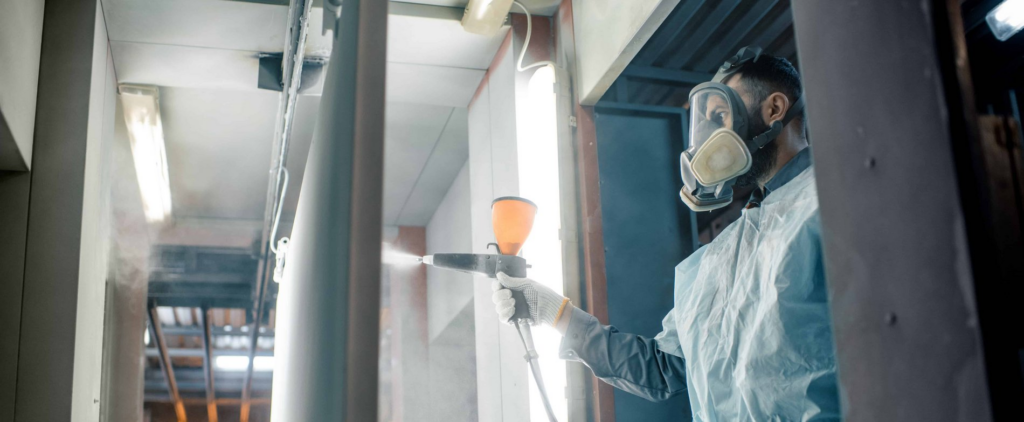
Why surface finishing matters for precision parts
A well-defined finish helps a component move from a fabricated blank to a dependable production part. Four practical benefits are especially important:
- Performance protection: A suitable coating or conversion treatment can help the part withstand moisture, handling, abrasion, chemicals or outdoor exposure, depending on the selected process and specification.
- Consistent appearance: Controlled color, texture and gloss help panels, enclosures and branded products look consistent across batches.
- Better assembly readiness: Deburring, edge preparation and controlled masking reduce avoidable interference around holes, fasteners, welds and mating surfaces.
- Lifecycle value: The right treatment can reduce premature replacement, rework and maintenance costs when it is matched to the actual service environment.
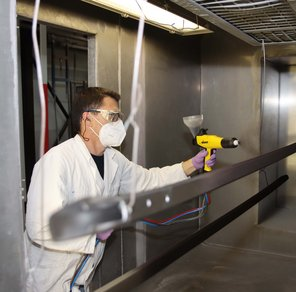
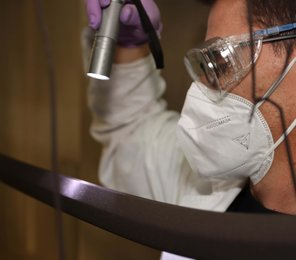
| XHX design tip: Call out the finish name, color or standard, coating thickness where applicable, masked areas, cosmetic faces and inspection method on the drawing or purchase order. A general phrase such as ‘standard finish’ leaves too much open to interpretation. |
Surface finishing services and options
The table below summarizes common finishes relevant to CNC machining and sheet metal fabrication. Availability and process ownership can vary by material, geometry, quantity and required certification, so the final route is confirmed during quotation and engineering review.
| Surface finish | What it does | Typical XHX use | Material / project notes |
| As-fabricated | Keeps the natural appearance from cutting, forming and welding; suitable when appearance is secondary. | Internal frames, brackets and functional enclosures. | Steel, stainless steel, aluminum; confirm deburring and inspection needs. |
| Deburring | Removes sharp edges and loose burrs after laser cutting, punching or machining to improve handling and assembly. | Nearly all custom sheet metal and CNC parts. | A key preparation step before coating, welding or assembly. |
| Sand blasting | Cleans the surface and creates a consistent matte profile for preparation or an industrial appearance. | Frames, brackets and fabricated panels. | Metals; masking areas and desired texture should be specified. |
| Tumbling | Uses controlled media to smooth edges and improve consistency across suitable small parts. | Small batches of brackets, hardware and machined components. | Metals and selected plastics; geometry and batch size affect suitability. |
| Electropolishing | Smooths and brightens compatible metal surfaces while supporting cleanability and corrosion-resistance objectives. | Precision stainless steel parts and hygiene-sensitive components. | Stainless steel, copper and aluminum subject to project review. |
| Heat treatment | Changes hardness, strength or other material properties for load-bearing parts. | CNC parts, shafts and selected structural components. | Metals; treatment condition and required test documents must be defined. |
| Alodine / conversion coating | Creates a conversion layer on aluminum to support corrosion protection and paint adhesion. | Aluminum brackets, housings and electrical components. | Aluminum alloys; coating specification and compliance needs vary by project. |
| Anodizing | Builds a protective oxide layer on aluminum and can add controlled color and surface durability. | Aluminum panels, covers, brackets and machined parts. | Aluminum; color, sealing and masking requirements should be approved. |
| PTFE coating | Adds low-friction and chemical-resistance characteristics where the application justifies a specialized coating. | Selected sliding or chemically exposed components. | Metals and compatible plastics; coordinated according to operating conditions. |
| Black oxide | Provides a dark, low-build conversion finish for suitable steel and iron components. | Steel hardware, brackets and machined parts. | Steel and iron; corrosion protection normally depends on the specified sealant. |
| Electroless plating | Deposits a uniform metal layer on complex shapes to support wear, corrosion or dimensional requirements. | Selected precision parts with demanding coating uniformity. | Metals and compatible non-conductive substrates; thickness must be specified. |
| Electroplating | Adds a controlled conductive, decorative or wear-resistant metal layer through an electrolytic process. | Electrical, mechanical and appearance-sensitive components. | Metals; define plating type, thickness, masking and acceptance criteria. |
| Painting | Provides color, appearance and additional environmental protection with project-specific preparation. | Equipment housings, panels, frames and custom enclosures. | Metals and selected plastics; color code, gloss and masking are required. |
| Passivation | Removes free iron contamination and supports the passive corrosion-resistant layer on stainless steel. | Stainless steel enclosures and precision fabricated parts. | Stainless steel and approved corrosion-resistant alloys; standard must be documented. |
| Powder coating | Creates a durable, colored finish with good coverage and repeatability for fabricated metal parts. | Cabinets, battery enclosures, frames and outdoor equipment housings. | Steel and aluminum; specify RAL color, texture, thickness and masked zones. |
| Electrophoresis | Applies a relatively uniform coating to conductive parts, including complex geometries. | Selected steel components needing consistent coverage. | Conductive substrates; process availability depends on project volume and finish. |
| Brushed finish | Creates a directional satin texture that improves appearance and can reduce the visibility of minor marks. | Stainless steel panels, covers and decorative metal components. | Stainless steel and aluminum; grain direction should be shown on drawings. |
| Polishing | Improves smoothness and visual brightness where appearance or cleanability matters. | Decorative hardware, exposed panels and selected precision parts. | Metals and some hard plastics; final gloss level should be agreed in advance. |
How to select the right finish
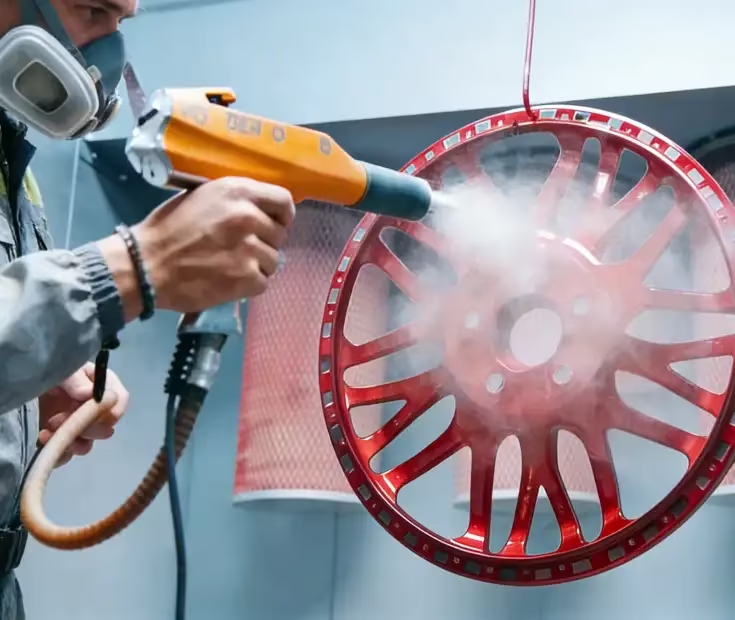
Start with the environment and function rather than choosing a finish only by appearance. The following questions help narrow the options:
- What will the part be exposed to? Consider humidity, salt spray, chemicals, heat, UV light, abrasion, cleaning agents and indoor or outdoor use.
- Which surfaces are functional? Identify grounding points, sliding faces, threads, contact faces, weld areas, hinge points and tight assembly interfaces that may need masking or post-treatment machining.
- What appearance is required? Specify color, gloss, grain direction, matte level, visible face and acceptable cosmetic variation for customer-facing parts.
- What is the production quantity? Prototype and small-batch work may favor flexible finishing routes, while larger volumes can justify a more standardized coating process.
- What documents are needed? If the project requires material certificates, coating reports, salt-spray data, RoHS-related declarations or traceability, list those requirements before the quote is approved.
Material and finish considerations
The base material limits which finishing routes are practical. Aluminum, steel, stainless steel, brass and engineering plastics each respond differently to cleaning, abrasion, heat and chemical treatment.
- Aluminum: Anodizing, conversion coating, powder coating, painting and brushing are common options. The alloy, color, sealing and masking plan should be reviewed together.
- Carbon and galvanized steel: Powder coating, painting, plating, black oxide and electrophoresis may be considered according to corrosion exposure, appearance and dimensional needs.
- Stainless steel: Brushing, polishing, passivation, electropolishing and selected blasting routes can support different appearance and cleanability goals.
- Brass and copper: Polishing, plating and protective treatments may be selected for conductivity, appearance or oxidation control, subject to application requirements.
| Important: A finish cannot compensate for an unsuitable material, poorly controlled weld area or unclear tolerance. Review the material grade, bend and weld details, finish build-up and critical dimensions as one manufacturing package. |
XHX Metal production and quality support
XHX Metal integrates surface-finish planning with the upstream fabrication process. Our production resources include laser cutting machines, CNC bending, TIG/MIG/laser welding, automatic deburring and CNC machining. This allows the team to consider edge condition, weld cleanup, masking, assembly fit and inspection before the part is sent to the final treatment route.
| Project stage | XHX Metal support |
| Design review | Check material, bend features, weld access, cosmetic faces, masking and finish build-up before production. |
| Fabrication | Coordinate laser cutting, CNC bending, welding, deburring and CNC machining according to the approved drawing. |
| Finish coordination | Confirm the selected treatment, color, texture, coating areas, documents and acceptance criteria with the project requirements. |
| Inspection | Support project-specific dimensional and visual checks, with material traceability when required. |
| Production scope | OEM/ODM, prototypes, small batches and production orders for custom parts, panels, brackets, cabinets and enclosures. |
What to include in a surface finishing RFQ
A complete RFQ helps the engineering team choose a realistic process and avoid later changes to price, lead time or appearance. Please include:
- The latest 2D drawing and 3D CAD file, with revision status.
- Material grade, thickness and any approved alternatives.
- Finish name or standard, color code, gloss or texture requirement.
- Cosmetic faces, grain direction, masking zones and areas that must remain uncoated.
- Critical dimensions, tolerances, threads, contact faces and post-finish inspection points.
- Quantity, prototype or production status, packaging needs and delivery destination.
- Required certificates, test reports, material traceability or compliance documents.
Work with XHX Metal
The right surface finish begins with a clear manufacturing brief. XHX Metal helps customers align material selection, fabrication, finish coordination and inspection requirements for custom metal parts and enclosures. Send your drawings, material details, finish expectations and target quantity for a practical review and quotation.
Capability FAQ
Can custom colors be reviewed?
Color and finish requirements can be reviewed against customer specifications during quotation and project planning.
What areas may require masking?
Threaded features, mating areas and other functional surfaces that should remain free of coating should be identified in the project requirements.
Can coating be coordinated with hardware installation?
Yes. The installation sequence for hardware and coated parts can be reviewed as part of the manufacturing workflow.
What finish information should be included?
Please provide available color, surface, masking and visible-area requirements so the intended finish can be reviewed during quotation.