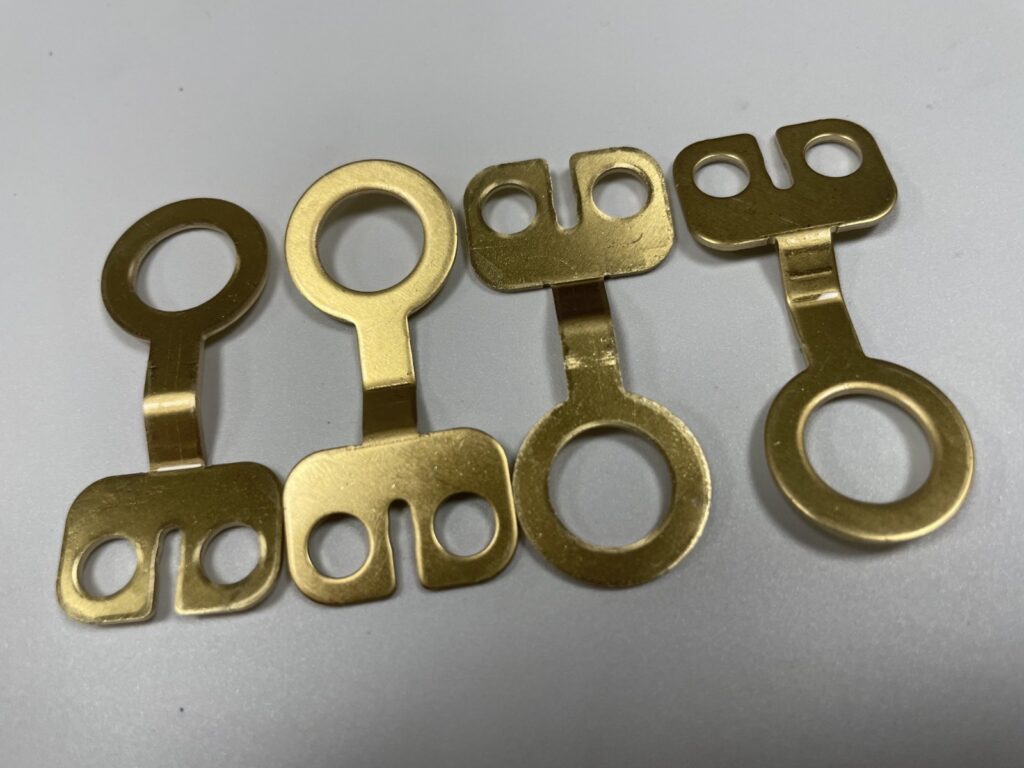
Brass battery lugs are flat metal connectors that join a cable, a flexible busbar or a terminal plate to the pole or stud of a battery cell. The XHX Metal design combines a round eye at one end with a flat two-hole pad at the other, and the whole part is formed from a single piece of brass with no welded or brazed joint.
XHX Metal is a custom sheet metal and stamped parts manufacturer in Dongguan, China, operating a 2,000-square-meter factory with about 30 employees and annual capacity above 500,000 pieces. This page covers the lug geometry we produce, brass grades and plating, tolerances and inspection, energy storage applications, and the drawings and lead times needed to start a project.
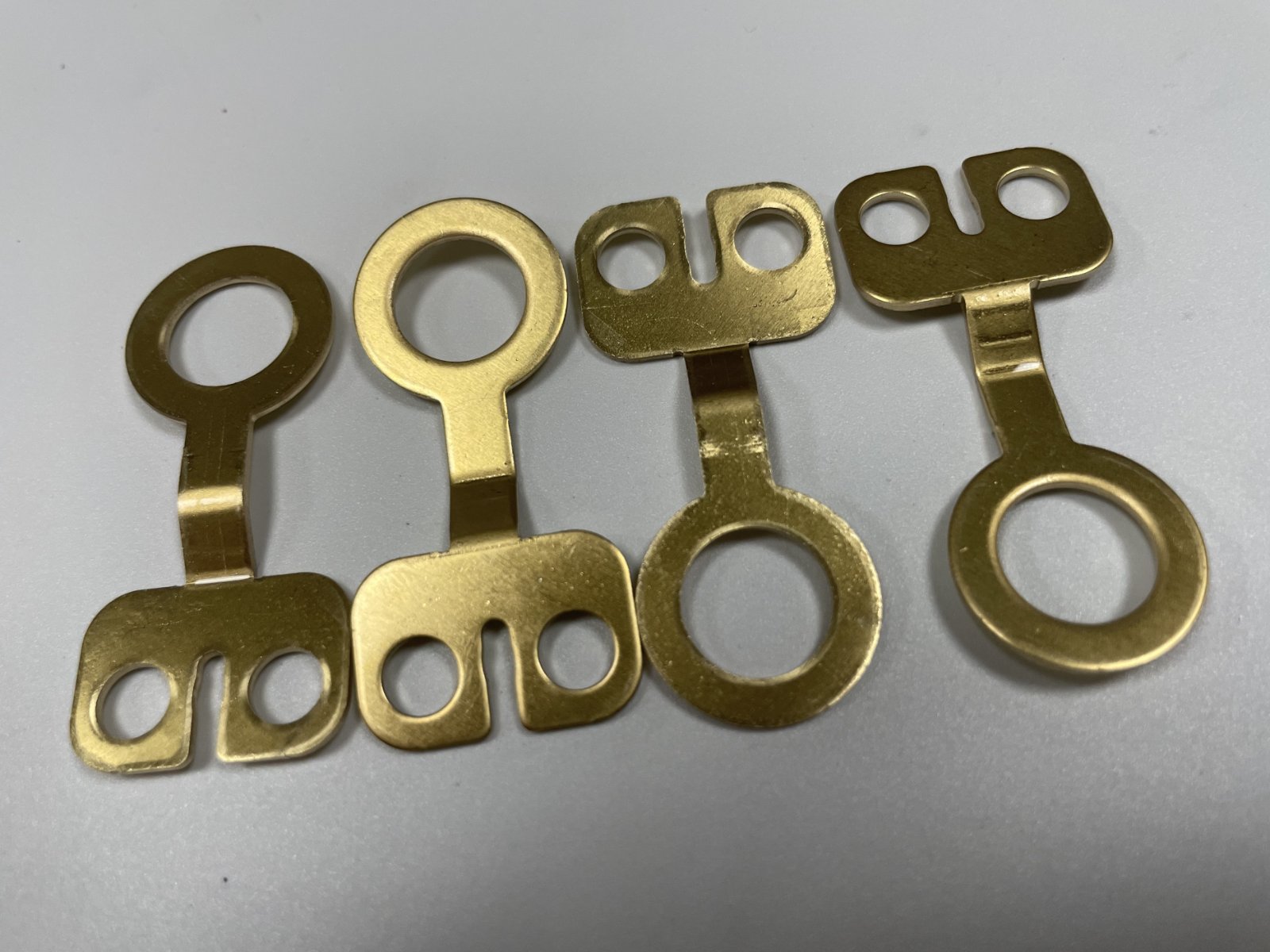
Figure 1: Brass battery lugs with a round eye at one end and a two-hole pad at the other.
Brass Battery Lugs: What We Make
Each brass battery lug is a flat, single-piece blank: a circular eye at one end, a narrower neck, and a rectangular pad drilled or punched with two holes at the other. The eye takes the cell stud or bolt, and the two-hole pad clamps a cable lug, a flexible laminated busbar or a flat conductor. Versions are produced with the eye on the left or the right, and with a straight neck or a stepped neck that offsets the pad plane from the eye plane where the assembly needs clearance.
Lugs can be supplied as loose blanks or pre-assembled with screws already fitted through the pad holes, which removes a handling step on the customer’s line. Every dimension is taken from the drawing: eye inner diameter, pad width and length, hole pitch, hole diameter, neck width, corner radii, material thickness and the screw specification. Because the geometry is produced on the same program, a family of two or three current ratings can share one material thickness and one packing format.
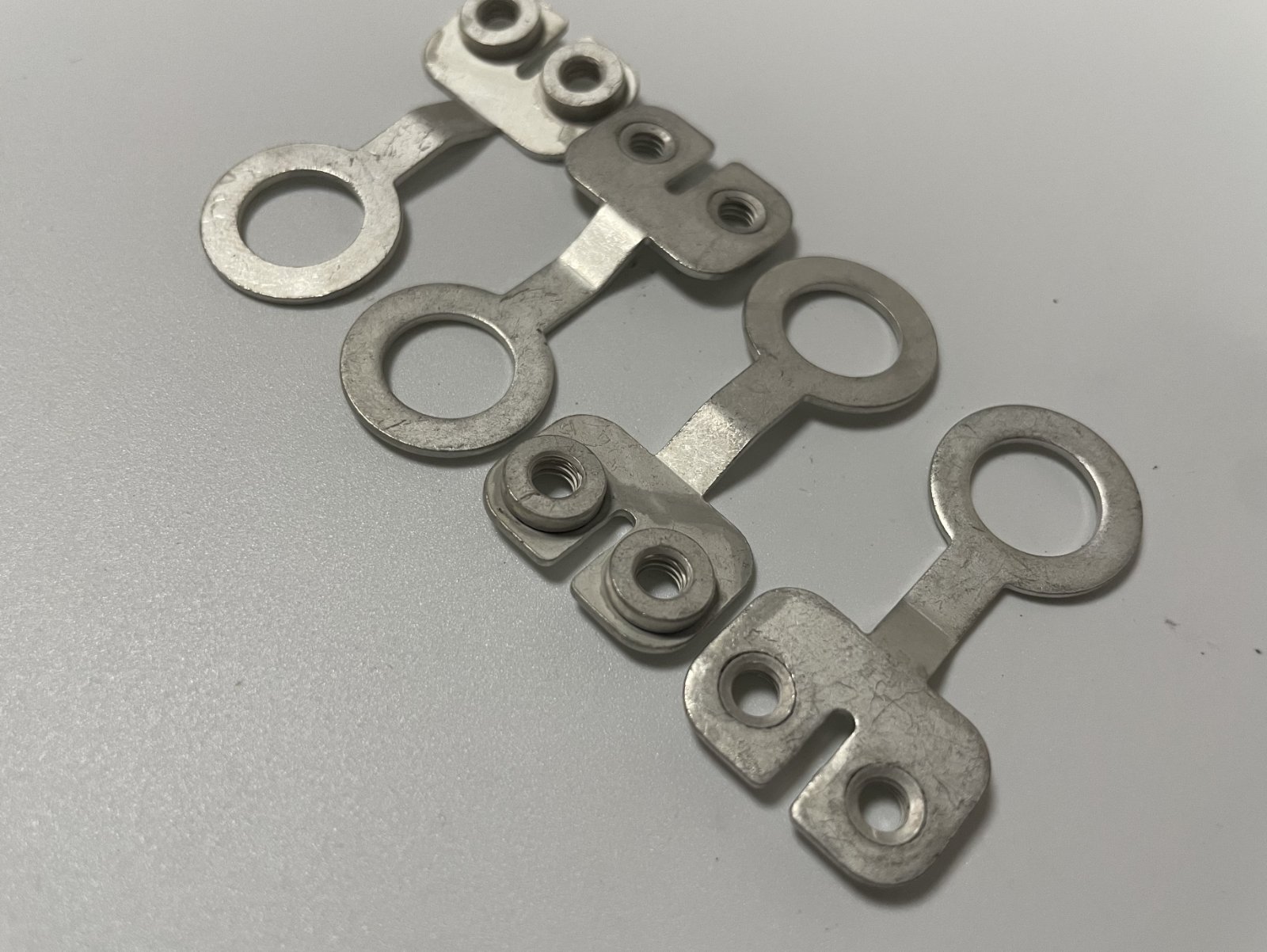
Figure 2: Tinned battery lugs, supplied as a plated alternative to bare brass.
Materials and Plating Options
The standard material is brass in the H62 to H65 range, equivalent to the C27000 and C26000 families. Brass is chosen over pure copper for these parts because it holds its shape under clamping load, machines and stamps cleanly, and resists the atmospheric corrosion that attacks bare copper. The trade-off is electrical conductivity: brass runs at roughly 28 percent of the International Annealed Copper Standard, against close to 100 percent for copper, which is why the cross-section of a brass lug is sized around the current it has to carry. The Copper Development Association publishes the property data behind that comparison, and MatWeb and AZoM maintain grade-level references for brass and copper alloys.
Lugs ship either bare or plated. Bare brass keeps the natural golden colour and is the usual choice for indoor racks and dry environments. Tinned lugs have a matte silver finish that stops surface oxidation, keeps contact resistance stable and improves solderability where a cable is soldered rather than clamped; the silver parts shown above are the tinned version of the same drawing. Nickel plating is used where the surface has to resist repeated handling and abrasion, and the plating guidance published by the National Association for Surface Finishing covers thickness and adhesion control. Plating thickness, adhesion and appearance are agreed per batch, and copper, bronze and aluminium versions are quoted from the same drawings on request.
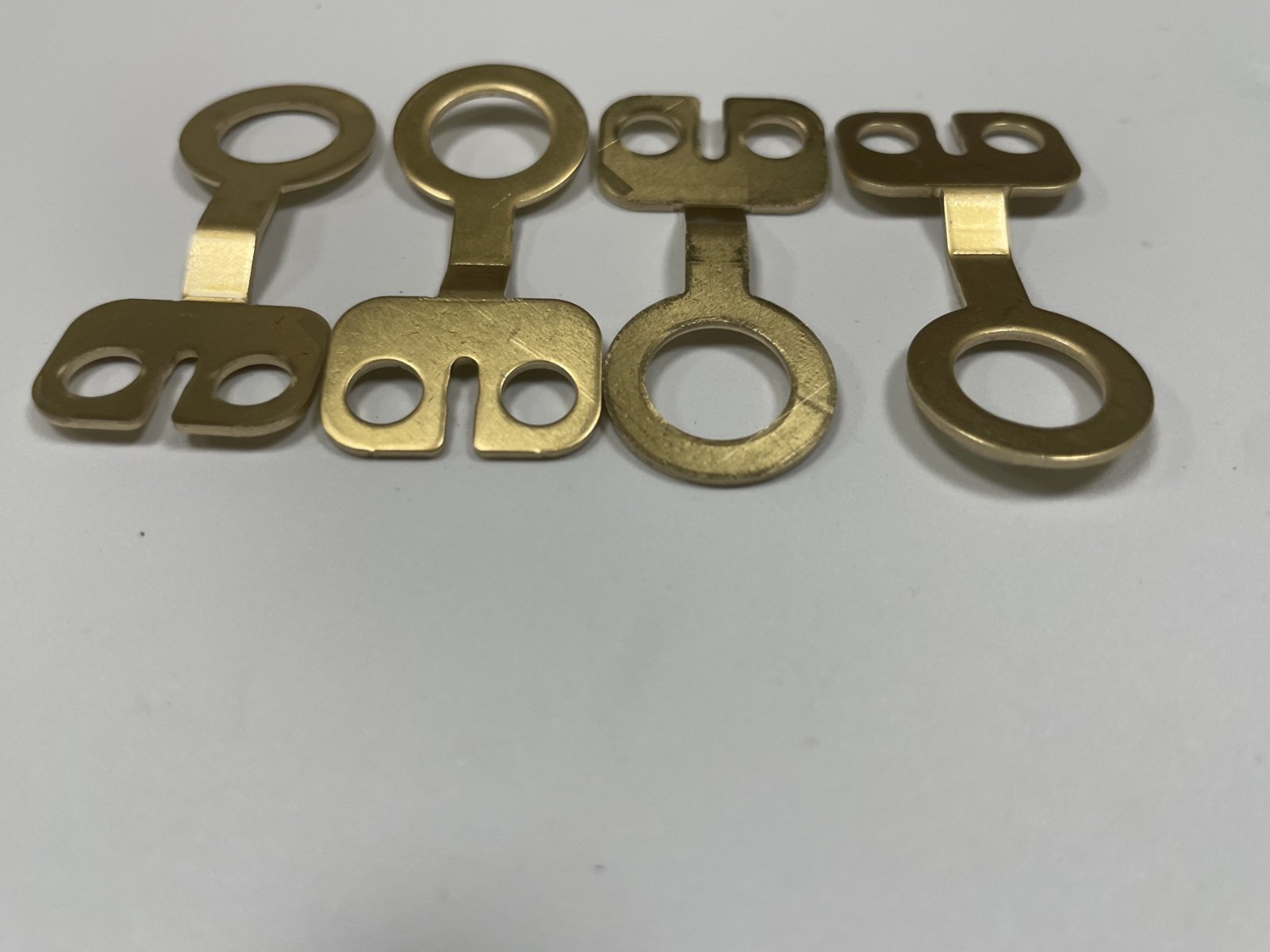
Figure 3: Straight and stepped necks produced from the same drawing family.
Sizes, Tolerances and Inspection
Brass battery lugs are produced in thicknesses from about 0.8 mm to 3.0 mm, with the thickness chosen from the current rating and the clamping method rather than from a catalogue. Hole positions are held to about plus or minus 0.1 mm so a lug drops onto the stud and its pad holes line up with the mating plate, and eye and hole diameters are controlled to the drawing tolerance. Parts are deburred after cutting and checked for flatness, because a burr or a twisted pad prevents the joint from seating and raises contact resistance.
Inspection follows the critical characteristics of the part: hole diameter and hole pitch, eye diameter, overall length, thickness, burr condition and surface finish. Plated batches are checked for plating thickness and adhesion, and assembled lugs are checked for screw presence and seating. A first-article report is issued before production, and each batch ships with dimensional and visual inspection records. Reference data on battery systems and their connection practice is published by the Battery Council International.
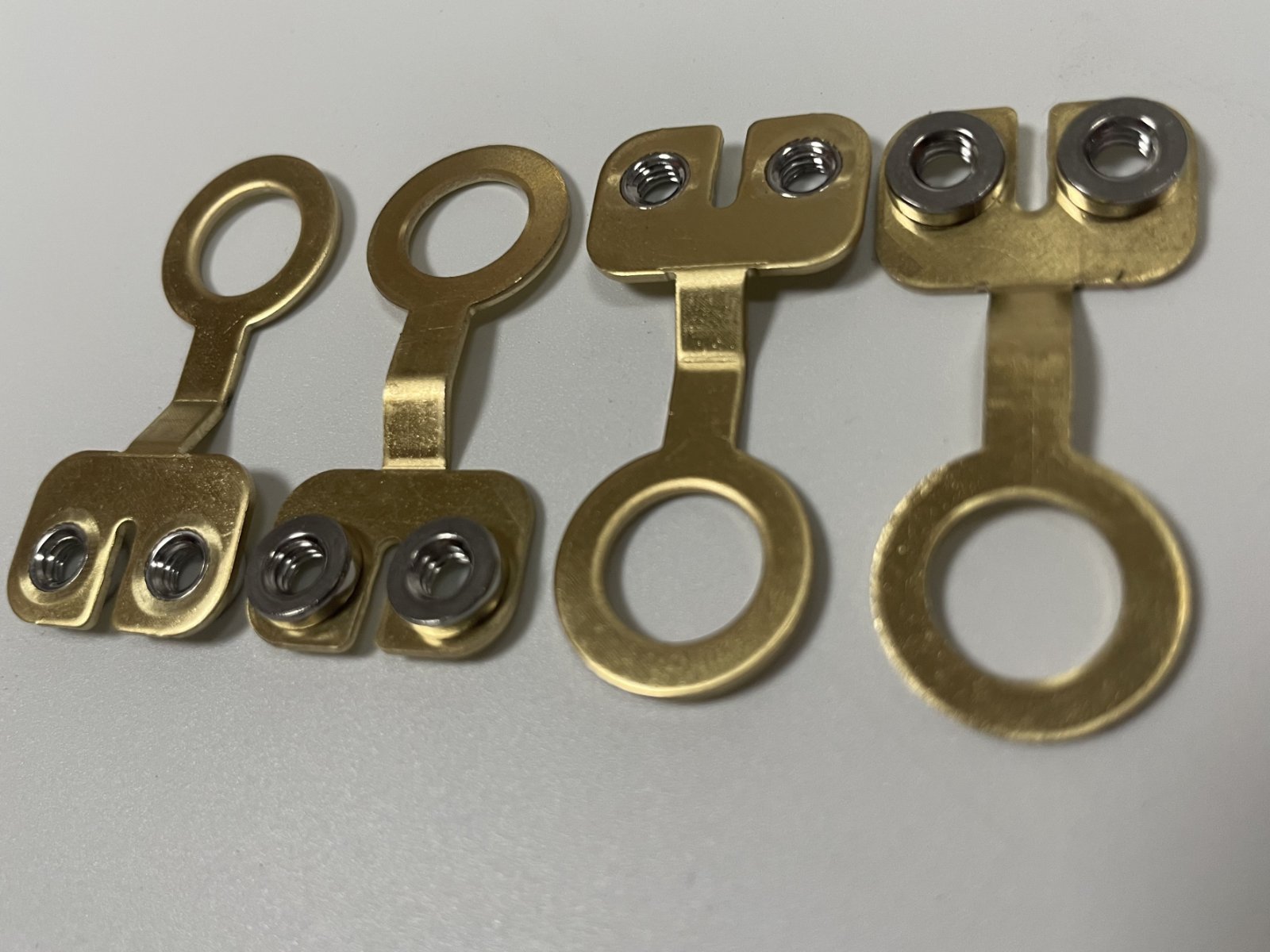
Figure 4: Lugs pre-assembled with screws through the two-hole pad.
Where Brass Battery Lugs Are Used
Energy storage is the main application. Brass battery lugs connect cells, modules and busbars inside commercial and industrial battery racks, containerised storage systems and residential battery cabinets. The same parts are used for BMS voltage-sensing leads, for the DC side of PCS and inverter connections, in telecom and UPS battery strings, and in electric-vehicle and forklift packs where a flat, low-profile joint is needed instead of a bulky cable lug.
Buyers specify brass rather than copper for several practical reasons: the part is stiffer and keeps its shape when the connection is torqued, the material cost is lower, and it does not build up the oxide layer that makes untreated copper hard to solder. In humid, coastal or outdoor cabinets the tinned version is specified instead so the surface stays stable over the service life of the rack. Where a project needs higher conductivity, the same geometry is produced in copper on request.
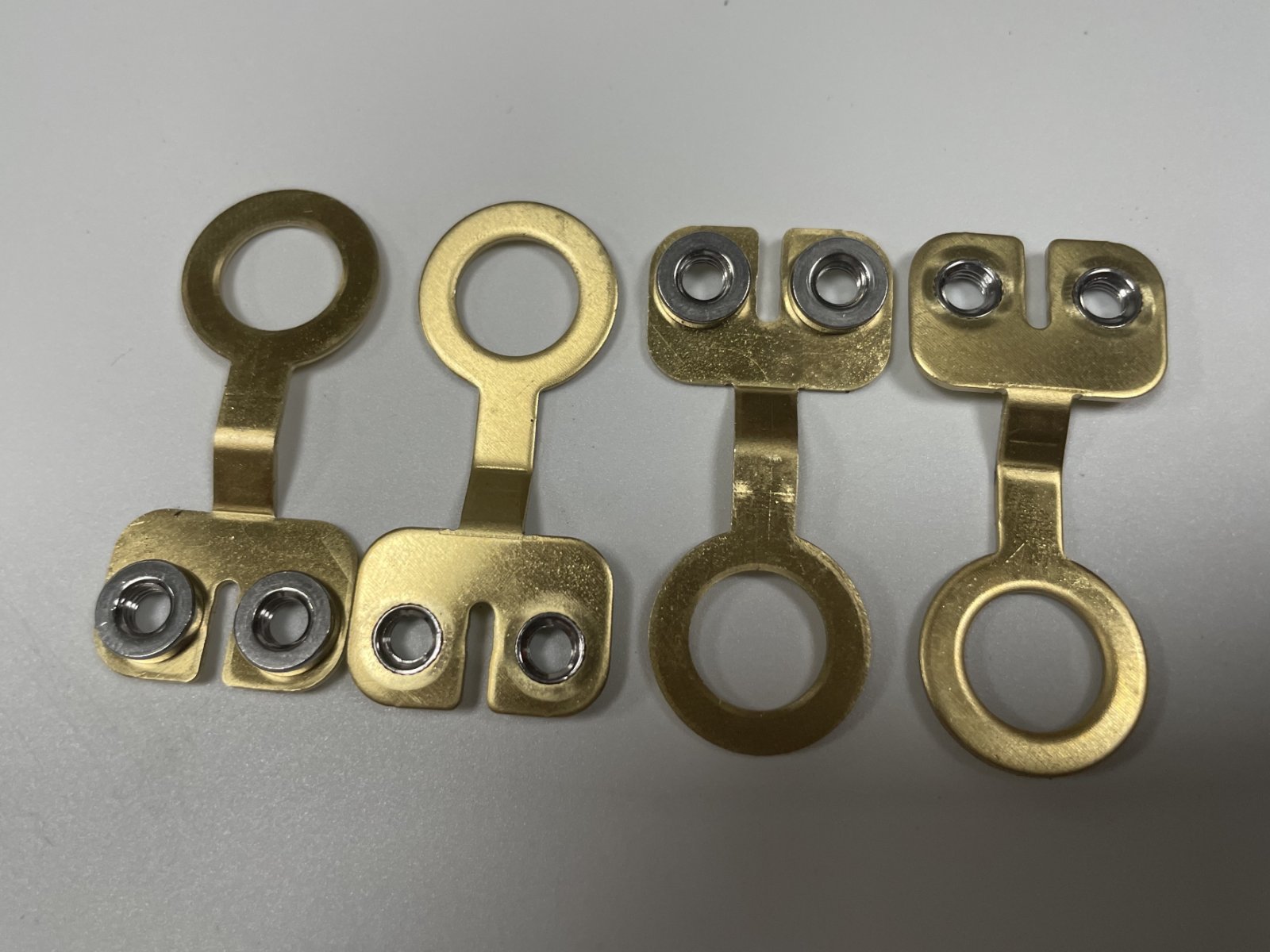
Figure 5: The two-hole pad and the round eye, shown with and without assembly screws.
How We Build Brass Battery Lugs: Drawing to Delivery
Production starts with drawing review, where the eye diameter, pad holes, neck width, bend position and material thickness are checked against the assembly they have to fit. For prototypes and small batches the blanks are laser cut and the holes are formed on the same program, which keeps tooling cost low and allows a design change between batches. Above roughly 20,000 pieces a year, a stamping die is normally proposed because it reduces piece cost. After cutting, parts are deburred and tumble-polished, then plated if the order calls for it, and finally assembled with screws and packed.
Send a STEP or STP model with a dimensioned 2D drawing, material and plating, screw specification, quantity and target timing. Samples are produced in 5 to 10 working days after drawing approval, and the first production batch ships in 15 to 30 days depending on plating and assembly scope. MOQ is typically 500 pieces for a laser-cut batch and 5,000 to 20,000 pieces when a stamping die is used, and it can be split across the sizes in one lug family. Batches ship with inspection records, and SGS pre-shipment inspection or a customer visit to the factory can be arranged.
A battery system integrator started with three lug sizes for a containerised storage rack, spread across two material thicknesses with an MOQ of 500 pieces per size and a first order of 12,000 pieces. FOB price was $0.32 to $0.85 per piece depending on size and plating. The first batch shipped 18 days after approval, and a tinned version was added for the outdoor cabinets in the second release. Annual volume settled between 60,000 and 90,000 pieces, a program value of roughly $28,000 to $45,000, and a revised nested layout plus a shared carton removed about 5 percent from the piece price in the second year.
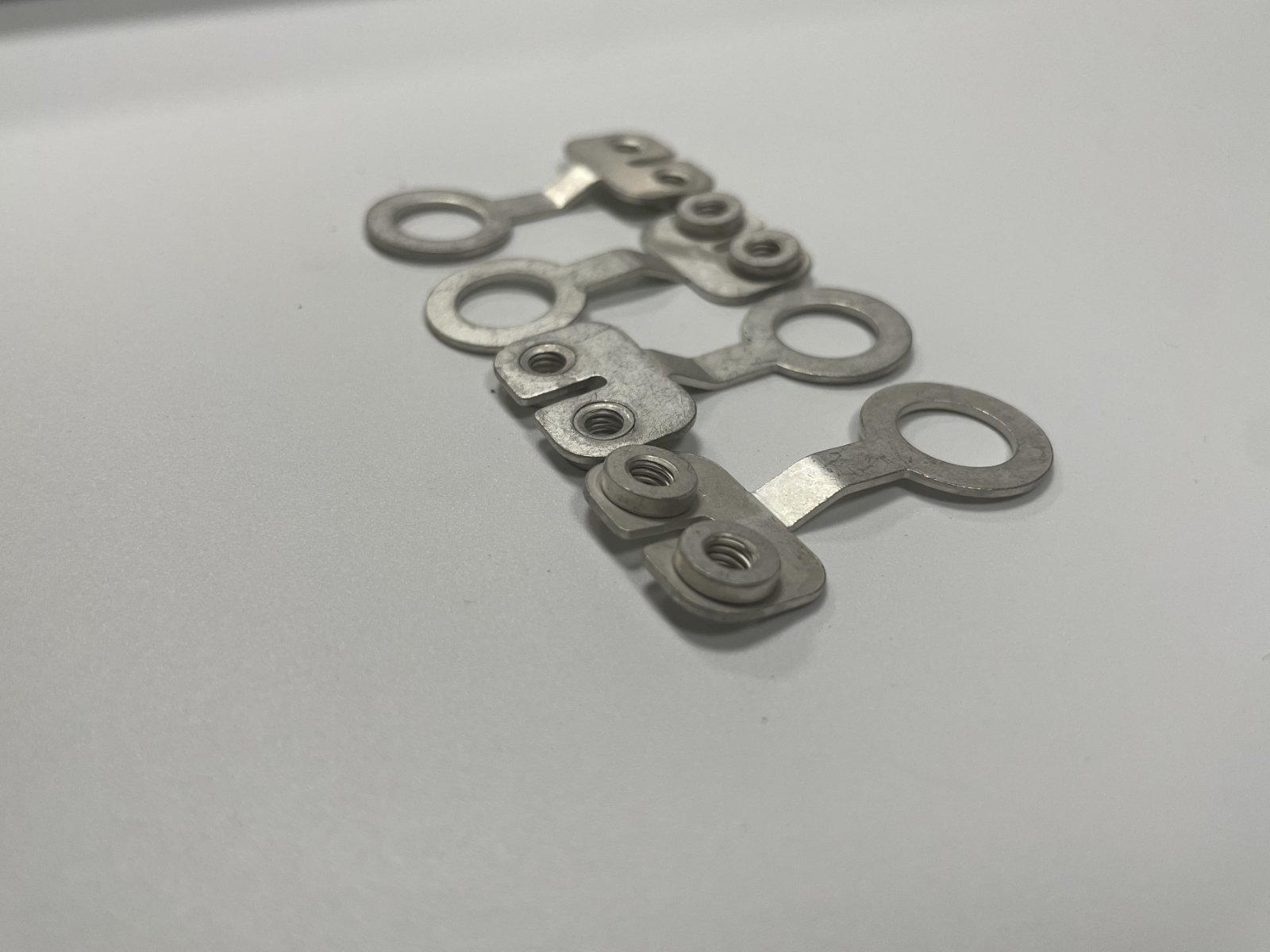
Figure 6: A production lot of lugs before assembly and packing.
Brass Battery Lugs FAQ
What are brass battery lugs used for?
They connect cells, modules, busbars and cable ends inside battery packs and energy storage racks. The round eye fits over a stud or bolt, and the two-hole pad clamps a cable lug or a flat conductor.
What is the difference between bare and tinned brass lugs?
Bare brass keeps the natural golden finish and suits dry indoor installations. Tinning adds a matte silver layer that prevents surface oxidation, keeps contact resistance stable and improves solderability, which is why humid, coastal and outdoor cabinets usually specify the tinned version.
Which material thickness should I choose?
Thickness is selected from the current the joint carries and the clamping method. Production covers about 0.8 mm to 3.0 mm; send the current rating and the mating hardware with the drawing and we will confirm the section during review.
Can the lugs be supplied with the screws already fitted?
Yes. Lugs can ship as loose blanks or assembled with screws in the pad holes, which removes a handling step on the customer’s line. Screw type, length and finish are taken from the drawing or nominated by the buyer.
What is the minimum order and lead time?
MOQ is typically 500 pieces for a laser-cut batch and 5,000 to 20,000 pieces when a stamping die is used, split across the sizes in one family. Samples take 5 to 10 working days and the first production batch ships in 15 to 30 days.
What files do you need to quote a lug?
A STEP or STP model with a dimensioned 2D drawing works best. Add material and plating, screw specification, quantity, packing requirements and the target market so feasibility and price can be confirmed in one round.
Related Products and Next Steps
Brass battery lugs use the same fabrication and quality system as the factory’s sheet metal fabrication services and OEM sheet metal parts, so cutting, forming, plating, assembly and packing stay on one schedule. Browse the product pages, contact the engineering team with your drawings, or send files through the online quoting form.
Last updated: September 2026 | Author: XHX Metal Engineering Team