What is metal stamping?
Metal stamping is a forming process that uses a press and a dedicated die to cut, bend or form sheet metal into repeatable components. It is well suited to brackets, clips, shields, connectors, covers and structural parts where consistent geometry and efficient repeat production matter. The right process depends on the material, part geometry, annual volume, tolerance requirements and the amount of tooling investment that the project can support.
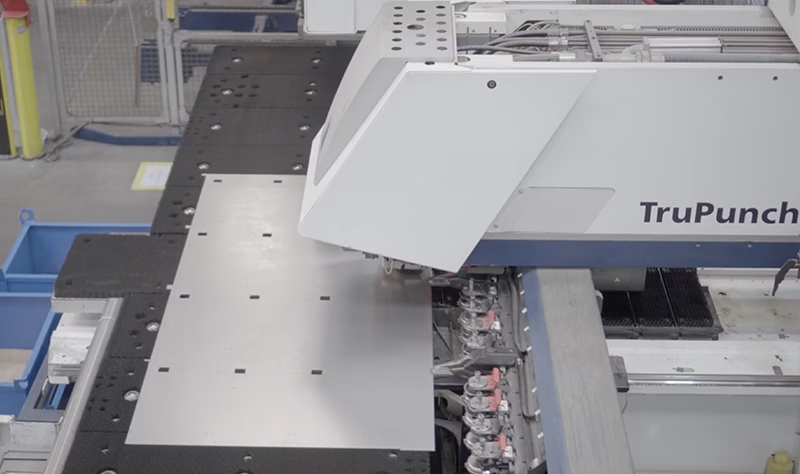
XHX Metal, the export-facing brand of Guangdong Xinghaoxin Technology Co., Ltd., supports custom metal component projects from drawing review through fabrication and finishing. Our engineers review the design before production so that material choice, bend relief, hole layout, tooling access and downstream assembly requirements are considered together.
Custom stamping processes for different production needs
Fine blanking
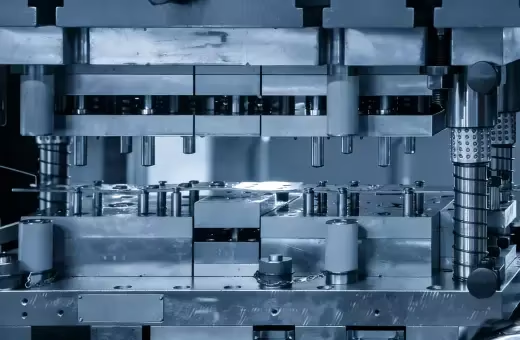
Fine blanking can produce a smooth, accurate cut edge with reduced secondary finishing. It is considered when the edge profile, flatness or dimensional consistency of a component is especially important. The feasibility of fine blanking should be confirmed against the material grade, thickness and required section geometry before tooling is released.
Deep draw stamping
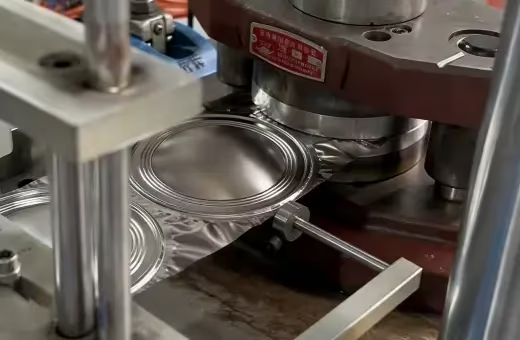
Deep drawing forms a flat blank into a deeper, three-dimensional shape. Controlled material flow is essential: insufficient control can lead to thinning, tearing or wrinkling. For housings, cups, covers and other drawn components, early review of draw depth, corner radii, blank-holder conditions and the number of forming stages helps reduce avoidable revisions.
Single-operation stamping
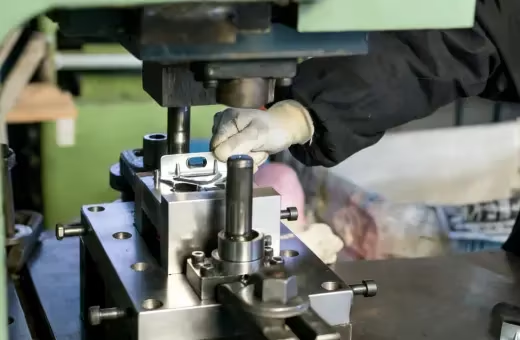
A single-operation tool can be a practical choice for simple parts, prototypes and lower-volume production. It can reduce tooling complexity while keeping the part layout straightforward. Typical examples include flat brackets, mounting plates, protective shields and simple clips.
Custom tooling and progressive operations
When a project requires several forming, piercing or cut-off steps, a custom die layout can combine operations into a controlled production sequence. XHX Metal reviews the strip layout, feature order and part handling requirements with the customer before production. This approach helps balance material utilization, cycle efficiency, tool maintenance and part consistency.
Selecting the right material for stamped parts
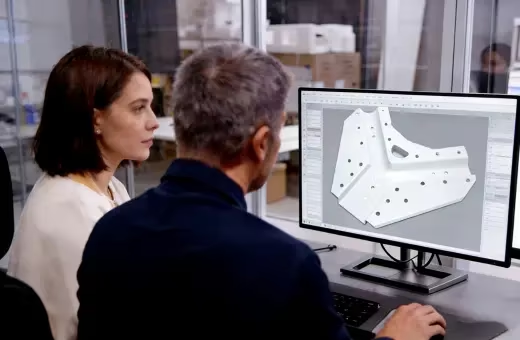
Material selection affects formability, strength, corrosion resistance, appearance, tooling wear and total project cost. A drawing review should include the material grade and temper, not just the general metal family. If the final use environment is unclear, our team can help compare practical options before the design is finalized.
Mild and low-carbon steel
A cost-conscious option for brackets, supports, chassis parts and general industrial components. It offers good formability, but exposed parts normally need plating, painting or powder coating for corrosion protection.
Stainless steel
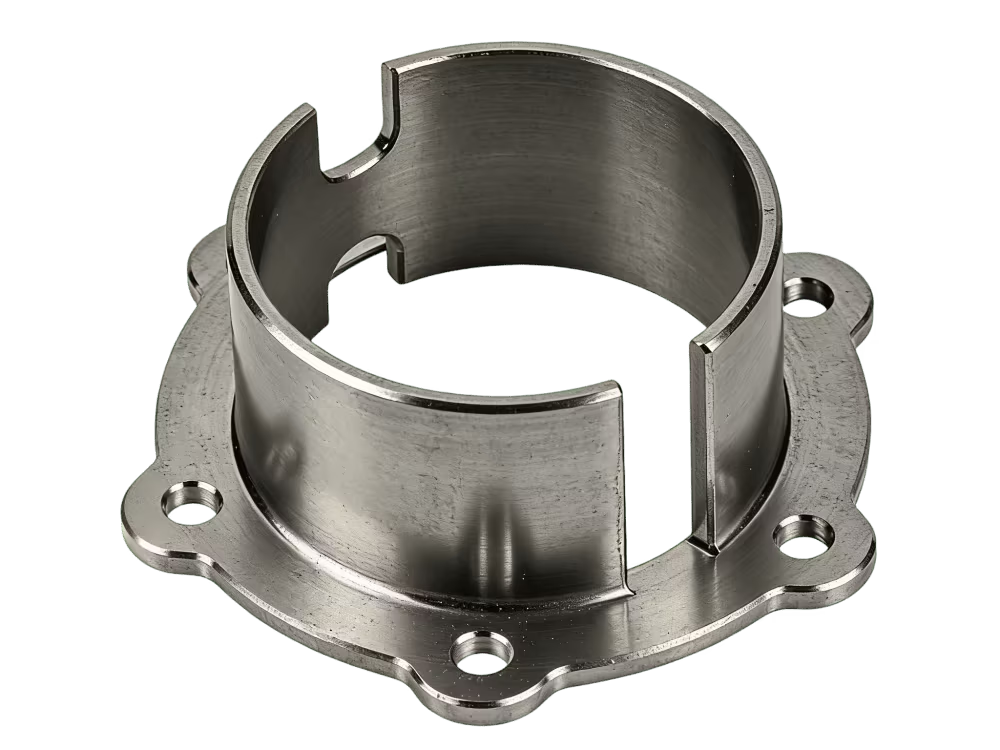
Grades such as 304 and 316L are selected when corrosion resistance, cleanliness and long service life are important. Stainless steel can work-harden during forming, so bend radii, tooling condition and forming sequence require careful attention.
Aluminum
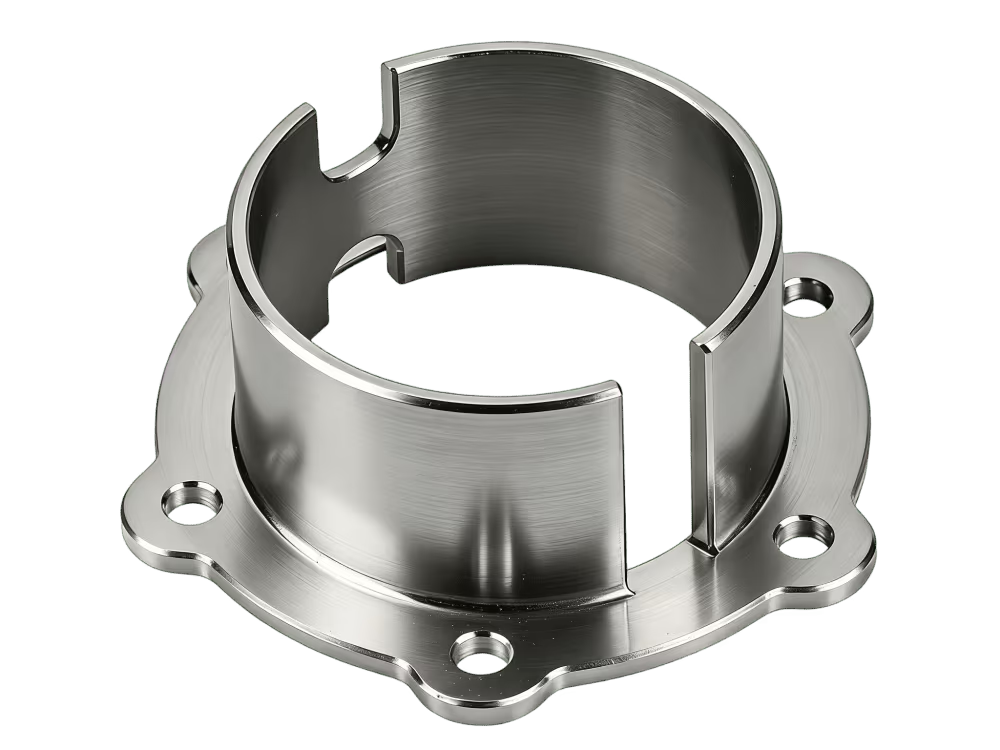
Lightweight and corrosion resistant, aluminum is useful for parts where weight reduction matters. Its lower stiffness and sensitivity to surface marking should be considered during forming, handling and assembly.
Copper and copper alloys
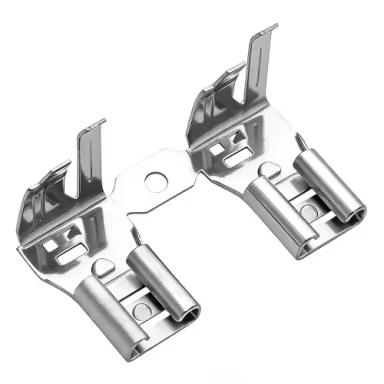
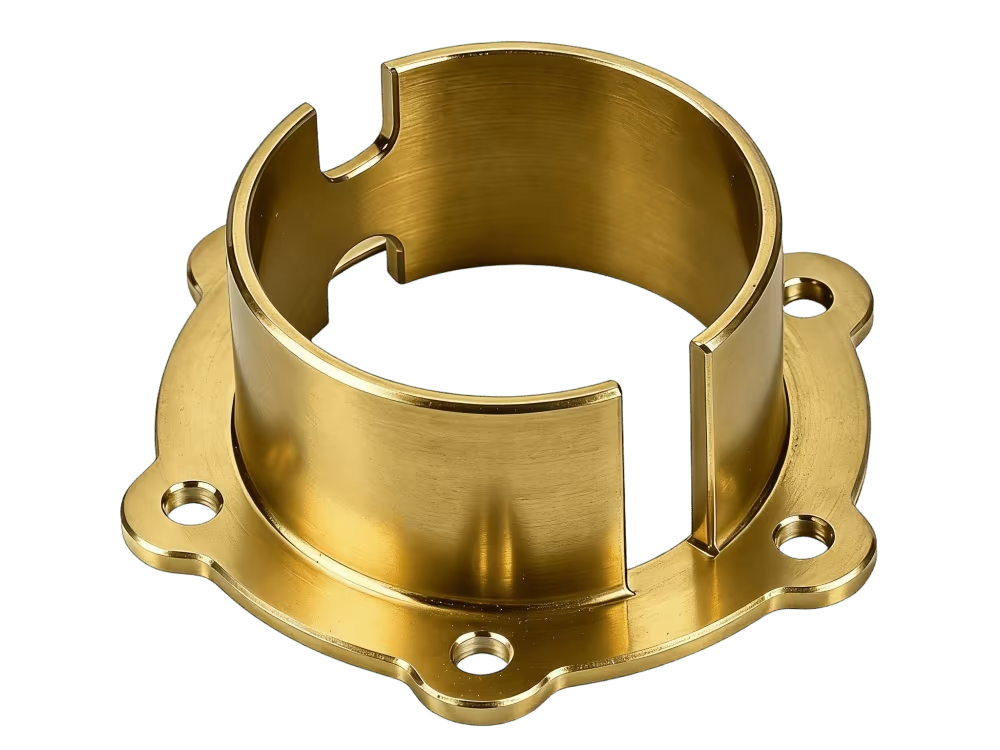
Copper is used for conductive parts such as contacts, terminals and busbar-related components. Brass offers a practical balance of appearance, machinability and corrosion resistance for hardware and detailed components.
Surface finishing options
Finishing is selected according to the part material, operating environment, appearance requirements and assembly function. XHX Metal can coordinate common finishing requirements with the fabrication process so that critical surfaces, grounding areas and threaded features are considered in advance.
- Powder coating: A durable protective finish available in a broad range of colors. Masking and grounding requirements should be shown clearly on the drawing.
- Electroplating: Zinc, nickel or other plated finishes can improve corrosion resistance, wear performance or appearance, depending on the specification.
- Anodizing: An electrochemical finish for aluminum that can improve surface hardness and corrosion resistance while providing a controlled color.
- Passivation and electropolishing: Stainless steel treatments used when cleanliness, corrosion resistance and a smoother surface are important.
- Laser marking and silk screening: Suitable for part numbers, logos, instructions, warning labels and traceability information.
- Brushed or satin finishing: A directional surface texture that can improve visual consistency and help reduce the visibility of minor handling marks.
Design considerations before tooling
Form, fit and assembly access
A part that can be stamped successfully still needs to assemble correctly. Check fastener access, tool clearance, mating surfaces, hole alignment and the sequence in which components will be installed. If a screwdriver, rivet tool or inspection gauge cannot reach a feature after forming, the issue is usually more expensive to correct later.
Bend radii and bend relief
Formed corners have a radius rather than a perfectly sharp internal edge. The suitable radius depends on the material, thickness, tooling and forming method. Bend relief can reduce deformation near a flange or corner, while adequate spacing between holes, slots and bend lines helps prevent distortion and cracking.
Holes, slots and edge features
Hole diameter, slot length, edge distance and feature spacing should be evaluated together with material thickness and tool access. Very small features or closely spaced piercings may increase tool wear and raise the risk of distortion. A DFM review can identify these conditions before the die design is finalized.
Ventilation and perforations
For electronic housings and equipment covers, perforations and louvers provide airflow while helping protect internal components. Large perforated areas can introduce sheet distortion, especially when the pattern is dense. The open-area requirement, surrounding flange design and forming sequence should therefore be reviewed as one package.
CAD data and drawing notes
Provide a 3D CAD model together with a 2D drawing whenever possible. The drawing should identify material, thickness, tolerances, bend direction, surface finish, critical dimensions, inspection requirements and any areas that must remain free of coating. Clear revision control helps avoid mismatches between the model, tool design and production sample.
Capabilities supporting custom metal components
Although the best production route varies by part, XHX Metal provides a broader fabrication base around custom metal components. Our Dongguan facility supports sheet metal fabrication, CNC bending, TIG and MIG welding, laser welding, deburring and CNC machining, allowing related operations to be coordinated with the stamped or formed component.
| Company capability | How it supports your project |
| Two 6kW fiber laser cutting machines | Accurate cutting for sheet metal parts and related fabrication work; stated laser accuracy is reviewed against the drawing and material. |
| CNC bending | Controlled forming for brackets, panels, enclosures and assemblies that require repeatable bend geometry. |
| TIG, MIG and laser welding | Joining support for fabricated assemblies, frames, housings and welded subcomponents. |
| Automatic deburring and CNC machining | Edge preparation and secondary machining for parts that need cleaner handling surfaces or additional precision features. |
| Quality system and certifications | ISO 9001:2015 quality management, CE-related product support where applicable, and SGS-related inspection or certification support as required by the project. |
Quality control for stamped and formed parts
Quality is built into the project before the first production batch. XHX Metal reviews the drawing, material and process route, then checks the finished parts against the agreed specification. The inspection method is matched to the risk of the part rather than relying on a single generic check.
- Design and feasibility review: Confirm material, thickness, forming direction, tooling access, tolerances and critical features before production planning.
- First-piece verification: Check dimensions, hole positions, bend geometry, surface condition and fit against the approved drawing or sample.
- In-process monitoring: Monitor repeatability and inspect key features at an agreed frequency so that deviations can be identified early.
- Final inspection and documentation: Verify appearance, quantity, packaging and required measurements before shipment. Inspection records can be prepared according to the project requirement.
Industries and applications
Custom stamped and formed parts are used across industrial equipment, electronics, new energy systems, automotive-related products, appliances and general hardware. XHX Metal also supports sheet metal enclosure and fabrication projects where stamping is combined with laser cutting, bending, welding or machining.
- Industrial machinery: brackets, guards, mounting plates and wear-resistant support parts.
- New energy equipment: conductive components, equipment covers, supports and enclosure parts.
- Electronics and communications: shields, clips, panels, brackets and formed housings.
- Automotive-related products: structural brackets, reinforcement parts, clips and electrical hardware, subject to drawing and program requirements.
- Medical, laboratory and food-related equipment: stainless steel components where surface condition, cleanability and traceability requirements are clearly specified.
Why work with XHX Metal?
XHX Metal combines local engineering communication with a Dongguan manufacturing base. We help customers move from a drawing or sample to a practical production plan, while keeping the focus on manufacturability, stable quality and total project cost.
- Established in Dongguan in 2014, with experience in custom metal fabrication and component production.
- Integrated support across laser cutting, CNC bending, welding, deburring, CNC machining and related metal fabrication operations.
- ISO 9001:2015 quality management, with CE and SGS support where applicable to the product and project scope.
- Engineering review focused on material selection, DFM, finish requirements, assembly fit and inspection needs.
- Direct project communication for prototype development, repeat orders and production coordination.
Capability FAQ
When is CNC punching suitable for panel production?
CNC punching can be reviewed for panels and sheet metal components that include repeated holes, slots, ventilation layouts or related features.
Can ventilation patterns be customized?
Yes. Ventilation patterns can be reviewed against customer drawings and the intended panel or enclosure design.
Can punched panels proceed to bending and assembly?
Yes. Punched panels can be coordinated with later bending, hardware installation and assembly requirements where applicable.
What layout information is helpful for review?
Clear drawings showing hole patterns, edges, formed features and adjacent bends help define the intended panel layout before production.