Last updated: October 19, 2026 | By XHX Metal Engineering Team
OEM metal enclosures are the sheet metal housings a manufacturer buys to its own drawing, rather than selecting from a catalogue: the boxes, cabinets and chassis that carry another company’s electrical or electronic equipment to market under that company’s name. At XHX Metal, OEM metal enclosures are built from customer drawings inside a 2,000 sqm factory in Dongguan, China.
This article is written for the buyer at an electrical equipment factory who has to source them: how the supplier relationship works, what a quotation should contain, which specifications decide the price, what quality evidence to demand, how long a programme takes, and three sourcing examples with volumes and price bands.
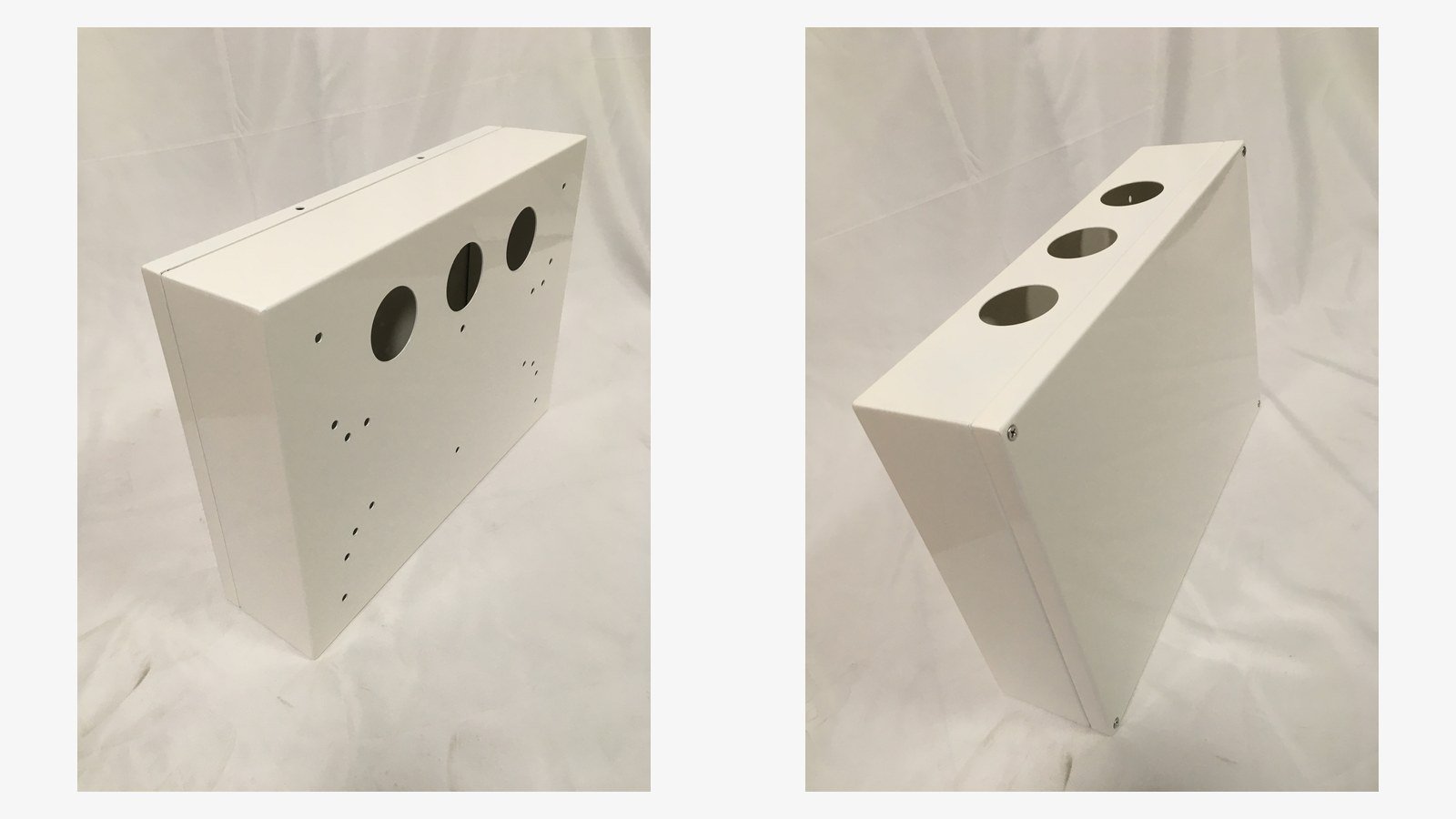
Figure 1: Two OEM metal enclosures built to drawing: an open body and a matching lid with a gasket channel.
OEM Metal Enclosures for an Electrical Factory
What Buying OEM Actually Means
What does OEM mean when you buy OEM metal enclosures? It means the enclosure is not a product the supplier sells; it is a part of your product. The supplier holds your drawing, your part number and your revision, and builds to that, so the enclosure arrives with your branding and your mounting pattern rather than a standard box with an adapter plate.
That distinction changes the commercial relationship in three ways. The supplier takes on drawing confidentiality, since the enclosure defines your product’s look. Tooling and setup are amortised against your volume rather than shared across a catalogue. And the first article becomes the specification, because there is no catalogue page to fall back on.
For an electrical equipment factory the practical consequence is that sourcing OEM metal enclosures is a programme decision, not a purchase order. The supplier you qualify in year one is the one who still holds the programme in year three, so the evaluation deserves more than a price comparison.
What Electrical Factories Buy Most
The parts ordered most often by electrical equipment factories are wall-mount and floor-standing cabinets, control and distribution enclosures, gland plates and mounting plates, door panels, louvre vent covers, perforated covers, and chassis or base plates. One cabinet programme typically carries eight to twenty different sheet metal parts.
These OEM metal enclosures share a characteristic that decides the supplier choice: they must interface with purchased components. Contactors, breakers, DIN rail, meters and cable glands are all bought elsewhere, so the enclosure has to match hole patterns and mounting pitches that the factory does not control.
Custom-Size Enclosures and Standard Ranges
Custom-size cold-rolled steel OEM metal enclosures are the norm at the small-batch end, and a standard range is the norm at volume. Most buyers end up with both: a small family of standard sizes for the catalogue product, plus custom-size variants for OEM customers who need a different footprint.
A supplier worth qualifying will build both OEM metal enclosures from the same drawings set, so the custom variant is a revision of the standard part rather than a new development. That keeps the second and third variants cheap and keeps inspection criteria consistent across the range.
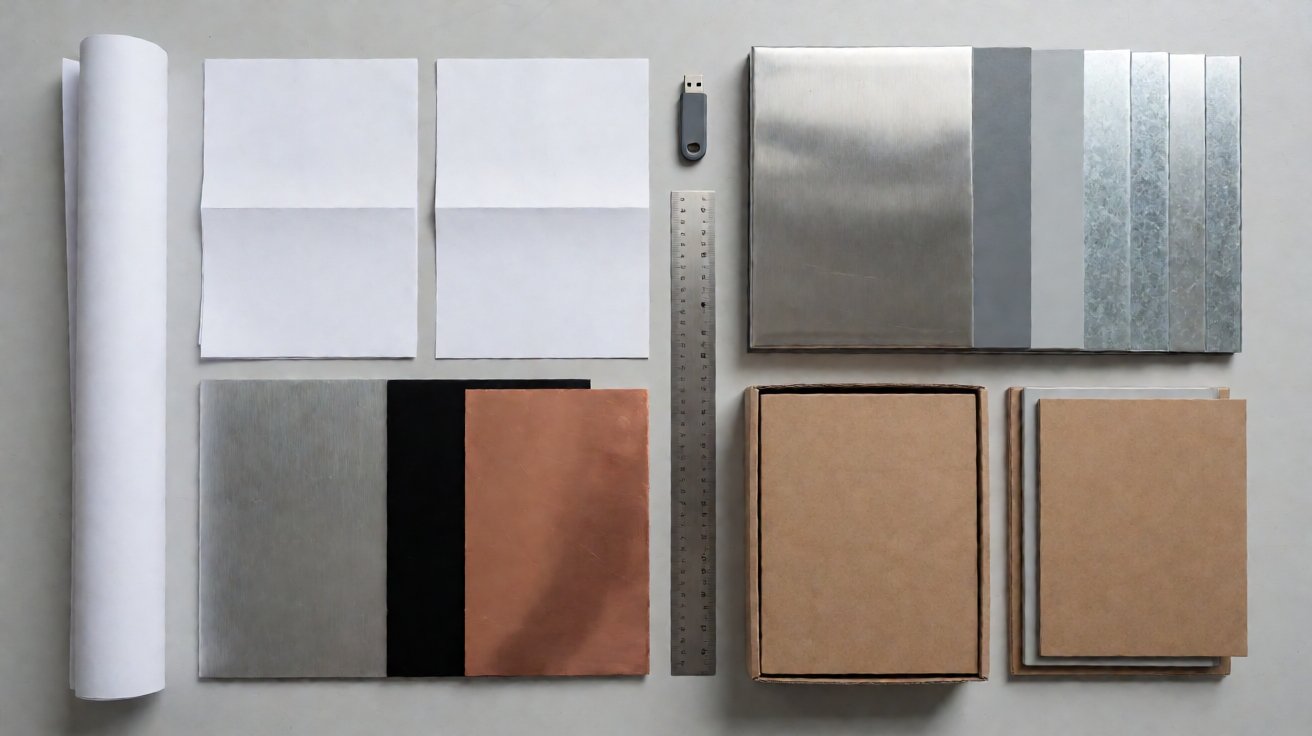
Figure 2: A complete OEM enclosure RFQ package: drawings, CAD file, material samples and prototype parts.
What a Quotation Should Contain
The RFQ Package That Gets a Real Price
What should a buyer send to get a usable enclosure manufacturing quote? Send a STEP model with a dimensioned 2D drawing of each part, the material and thickness, the finish and any masking, the annual quantity and batch size, the assembly scope, and the inspection requirements. Those seven answers remove almost every follow-up question.
Two details are routinely missing and both change the price. The first is which dimensions mate with a purchased component, because those are the ones that need holding. The second is which surfaces are visible in the finished product, because cosmetic surfaces change handling, packing and the reject rate.
Where the design is still moving, send the flat pattern and describe the function. A supplier that returns a manufacturable version with features adjusted for bend allowance and minimum hole size is worth more than one that quotes the drawing as received and discovers the problem at first article.
How Enclosure Manufacturing Quotes Are Built
A quote for OEM metal enclosures is built from material, cutting and punching time, bending operations, welding, hardware insertion, finishing, assembly and packing, plus setup and programming. The split between one-off setup and running cost is what makes a small first batch look expensive and the tenth batch look cheap.
Ask for the quote broken down that way rather than as one number. A supplier who shows setup separately is telling you where the volume break sits; one who cannot is usually hiding that the price is mostly material and finishing.
Watch for three things that inflate a quote: a tolerance callout tighter than the function needs, a finish specified by colour rather than coating build, and packing left unspecified. All three are cheaper to fix before the order than after the first reject.
Comparing Two Quotes Fairly
Comparing quotes for OEM metal enclosures on the total alone is how buyers end up with a cheaper supplier and a more expensive programme. Normalise the scope first: same material grade, same coating build, same inspection level, same packing, same Incoterm.
Then compare what is included. A quote that excludes finishing, hardware or crating is not cheaper, it is smaller. A quote that includes first article inspection and material certificates is carrying cost you would otherwise pay for in risk.
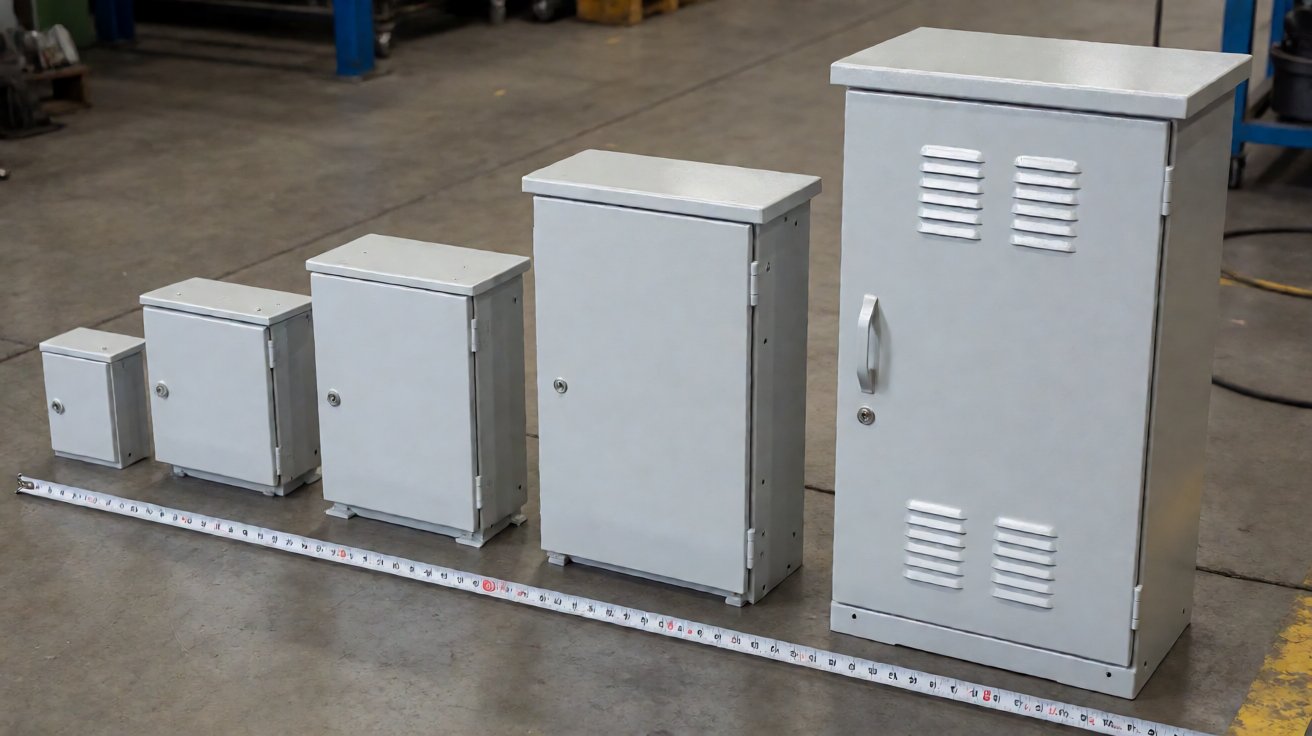
Figure 3: OEM metal enclosures graduated from a small junction box to a floor-standing cabinet.
Specifications That Decide the Price
Material Grade and Thickness
Cold-rolled steel is the default for painted enclosures and gives the best stiffness per cost. Enclosure type definitions for electrical equipment are published by the National Electrical Manufacturers Association. Electro-galvanised steel is chosen where the inside needs corrosion resistance without painting. Stainless 304 suits washdown and outdoor exposure. Material practice for these grades is documented by the American Iron and Steel Institute and SSINA.
Thickness is the single biggest cost lever on OEM metal enclosures after volume. Moving a door from 1.5 mm to 2.0 mm raises material cost and can force a heavier hinge and a different packing method. Where the function allows, keeping a panel at the thinner gauge and adding a folded stiffener is usually cheaper than adding thickness.
Coating, Masking and Earth Continuity
Powder coating is the usual finish on OEM metal enclosures, and the specification that matters is not the colour but the coating build, the gloss level and which surfaces are masked. Earth studs, shielding lands and mating faces have to stay bare so the assembly conducts, which means masking is agreed on the drawing before the batch is coated.
Masking is where electrical enclosures differ from general fabrication. A coated earth point is an insulation fault waiting to happen, and scraping paint off after coating leaves an unprotected edge. Coating performance categories are described by ASTM International.
Tolerances, Standard or Specified
Tolerance is the third lever on OEM metal enclosures. A drawing that specifies a general tolerance band and calls out only the mating dimensions is cheaper to build and easier to inspect than one that tightens every dimension. The second approach transfers cost to the supplier without improving the product.
Ingress protection test methods are set out by the International Electrotechnical Commission. Where a tighter tolerance genuinely matters, say why. A hole position that must clear a purchased breaker is a real requirement; a hole position that looks neat on a drawing is not. Suppliers price the requirement, so an unexplained callout is priced as risk.
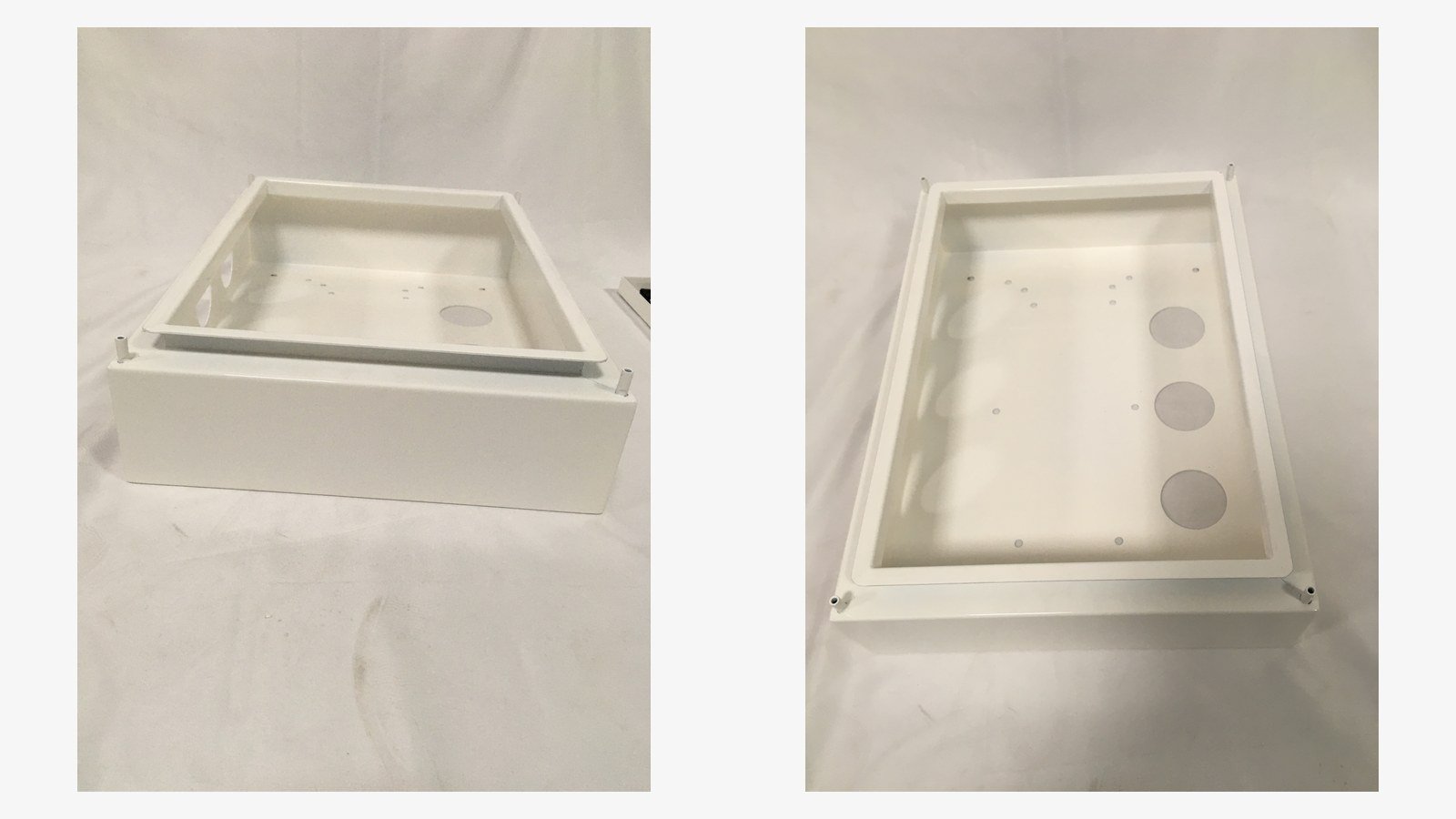
Figure 4: Enclosure bodies in production: pressed-in standoffs, punched cable entries and folded edges.
What Makes OEM Enclosure Programmes Fail
Tolerance Stack-Up Across the Assembly
What quality risks should a buyer watch for? The first risk on OEM metal enclosures is stack-up. Each part of an enclosure is accurate on its own, but the enclosure is an assembly, and the errors of base, panels, door and purchased components add up at the point where a breaker or a gland has to fit.
The countermeasure for OEM metal enclosures is to identify mating dimensions before quoting and inspect them at first article, rather than checking the outline and assuming the interfaces follow. Where a stack-up is genuinely tight, agree which feature is adjustable instead of tightening every tolerance.
Distortion, Flatness and Door Fit
The second risk on OEM metal enclosures is distortion. Thin panels bow during welding, coating bakes at a temperature that can move light gauge parts, and a door that bows will not seal or sit flush. A large perforated field releases stress as material is removed, which shows up as a panel that will not lie flat on a bench.
Countermeasures on OEM metal enclosures are a welding sequence that balances heat rather than running one long seam, fixtures that hold panels flat through coating, and flatness checks on any panel carrying a gasket, a display or a visible seam. Door fit is checked on the assembly, not on the flat part.
Sealing, Earth Continuity and Surface Damage
The third risk group on OEM metal enclosures is function and appearance. An IP-rated enclosure depends on a continuous gasket channel free of weld spatter and coating build, on a lid that pulls down evenly, and on hardware that survives repeated tightening. Earth continuity depends on the masking described above.
Surface damage is the last risk and the one buyers notice first. Coated and brushed surfaces mark during handling, so parts are separated between operations, handled with gloves once finished, and packed with interleaving. A scratched visible door cannot be repaired after coating.
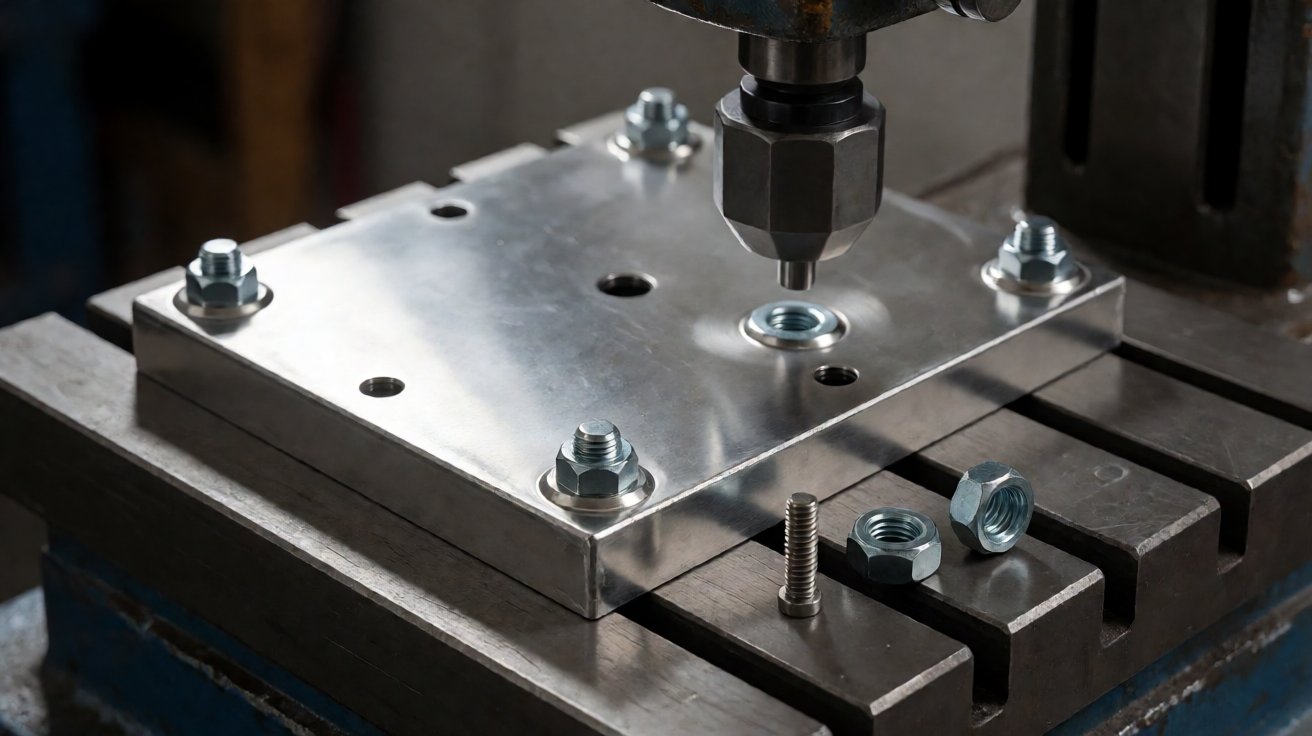
Figure 5: Self-clinching standoffs and flush nuts installed flush into a punched enclosure panel.
Lead Times and Quality Evidence
Prototype, First Article and Production
Samples of OEM metal enclosures follow in 5-10 working days after the drawing is approved, and the first production batch ships 15-30 days later depending on material, finishing and quantity. The sample round is not a formality: it is where the drawing becomes a controlled specification.
First article inspection of OEM metal enclosures then measures the critical dimensions and records them. From that point the batch is built against the approved first article rather than against the original drawing, which is what keeps the tenth batch identical to the first.
Documents a Supplier Should Provide
What documents should come with OEM metal enclosures? Material certificates, a first article inspection report with the mating dimensions measured, batch traceability back to the sheet, and coating thickness records where a finish is specified. A supplier who cannot produce these is not running a controlled process.
Certification matters too. ISO 9001:2015 is the baseline for a controlled process, CE matters for equipment that carries it, and third-party inspection through SGS or a customer visit closes the loop on the first shipment. Ask for the certificate scope as well as the certificate, because a factory can hold ISO 9001 for one process while sub-contracting another.
Import, Duty and Packing
For export orders of OEM metal enclosures, US buyers calculate landed cost with the Harmonized Tariff Schedule, and CE marking obligations for electrical equipment are set out by the European Commission. Incoterms decide where cost and risk transfer, and the difference between FOB and DDP is often larger than the gap between two suppliers’ unit prices.
Import documentation practice for metal parts is summarised by the U.S. International Trade Administration. Packing of OEM metal enclosures is specified with the part rather than left to the supplier: interleaving between coated panels, individual protection for visible faces, edge protection on large cabinets, and export crates banded for sea freight.
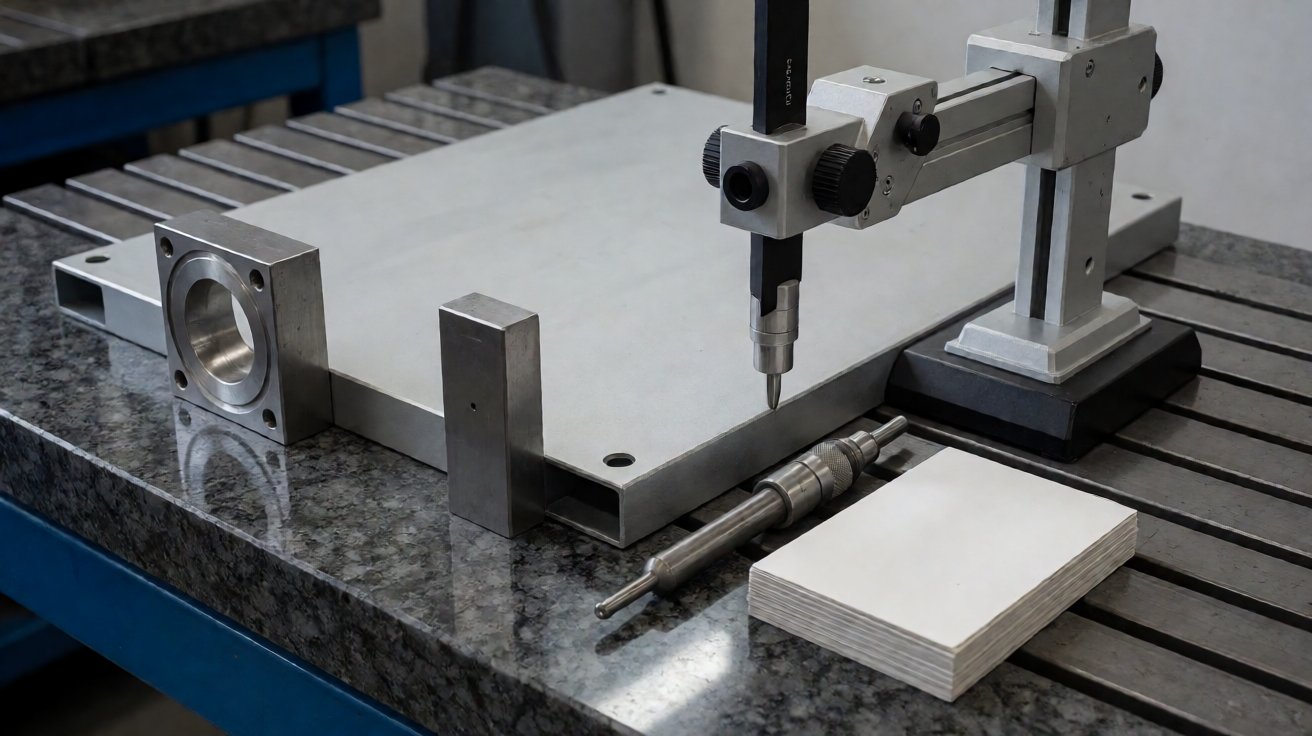
Figure 6: First article inspection of a powder coated enclosure panel on a granite surface plate.
OEM Enclosure Programmes We Have Delivered
Case 1: Electrical Panel Builder – Wall-Mount Cabinets
A panel builder ordered OEM metal enclosures as wall-mount and floor-standing cabinets with gland plates and mounting plates in 2 mm galvanized steel, powder coated: batches of 50-300 pieces, three to six times a year, a minimum of 20-50 pieces and FOB prices in the $15-80 range per piece depending on size and coating.
The programme was won on hole position for purchased breakers and on masking discipline at the earth points. The first batch shipped 15-30 days after drawing approval, and annual spend sat in the $30k-60k band with third-party inspection before shipment.
Case 2: Equipment Manufacturer – Small Enclosure Family
An equipment manufacturer ordered a family of small OEM metal enclosures in cold-rolled steel for control modules: batches of 200-800 pieces, four to eight batches a year, a minimum of 100 pieces and FOB prices from $2 to $15 each depending on size and finish.
This programme lived on consistency rather than on price. Running the family as one kit from one nest kept hole positions and coating identical across sizes, and a 4-6% step-down was agreed on the repeated parts in the second year. Annual spend stayed in the $15k-40k band.
Case 3: Distribution Equipment Supplier – Custom-Size Cabinets
A distribution equipment supplier ordered custom-size OEM metal enclosures with louvre vent fields and reinforced doors in 2 mm cold-rolled steel: batches of 10-40 pieces, two to four batches a year, a minimum of 5-10 pieces and FOB prices between $100 and $400 per cabinet depending on size and coating.
The work depended on door fit and flatness, because a cabinet door that twists will not seal. Doors are checked on the assembly before packing, the first batch shipped 20-35 days after approval, and annual spend landed in the $25k-70k band.
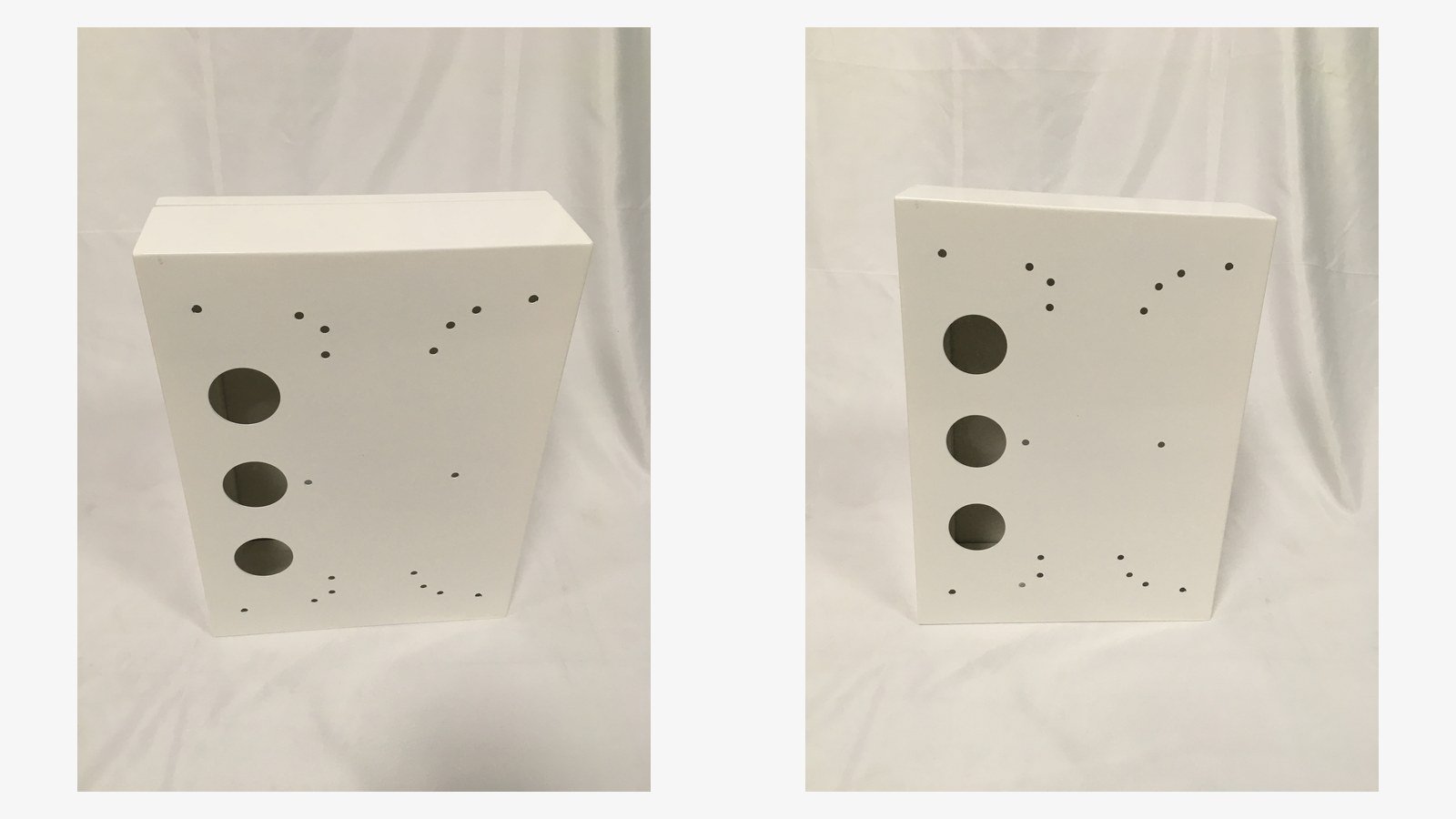
Figure 7: Two powder coated OEM enclosures checked for hole position and finish before packing.
Summary and Next Steps
How to Qualify an OEM Enclosure Supplier
Qualify a supplier of OEM metal enclosures on four things: whether they build to drawing, how they handle the mating dimensions, what documents ship with the parts, and whether finishing and assembly sit in the same factory.
Then ask two questions: how the first article is measured, and what happens when a purchased component changes. The answers tell you whether the tenth batch behaves like the first.
Why XHX Metal
XHX Metal keeps laser cutting, CNC punching, forming, welding, hardware insertion, finishing and assembly in one 2,000 sqm factory in Dongguan: two 6 kW fiber laser cutting machines at +-0.01 mm positioning accuracy, CNC turret punching, CNC bending, TIG and MIG welding and coating partners, at about 500,000 parts a year.
The factory holds ISO 9001:2015 and CE, works with SGS on inspection, and has supplied OEM and brand customers in North America and Europe for over a decade. Supplier-qualification support for small manufacturers is described by NIST MEP.
How to Start Your Programme
Send a STEP or DXF file with material, finish, masking and quantity for a quotation with the lead time. OEM capability is on the OEM sheet metal parts page, electrical work under the electrical and electronics industry page, electronics housings on the electronic metal housing guide, cost drivers on the enclosure cost page, and projects start from the contact page; enquiries also reach sales01@xinghaoxin.com.
FAQ: OEM Metal Enclosures
What is the minimum order? Around 100 pieces for small enclosures and 20-50 pieces for larger cabinets; prototypes and one-off units are quoted too.
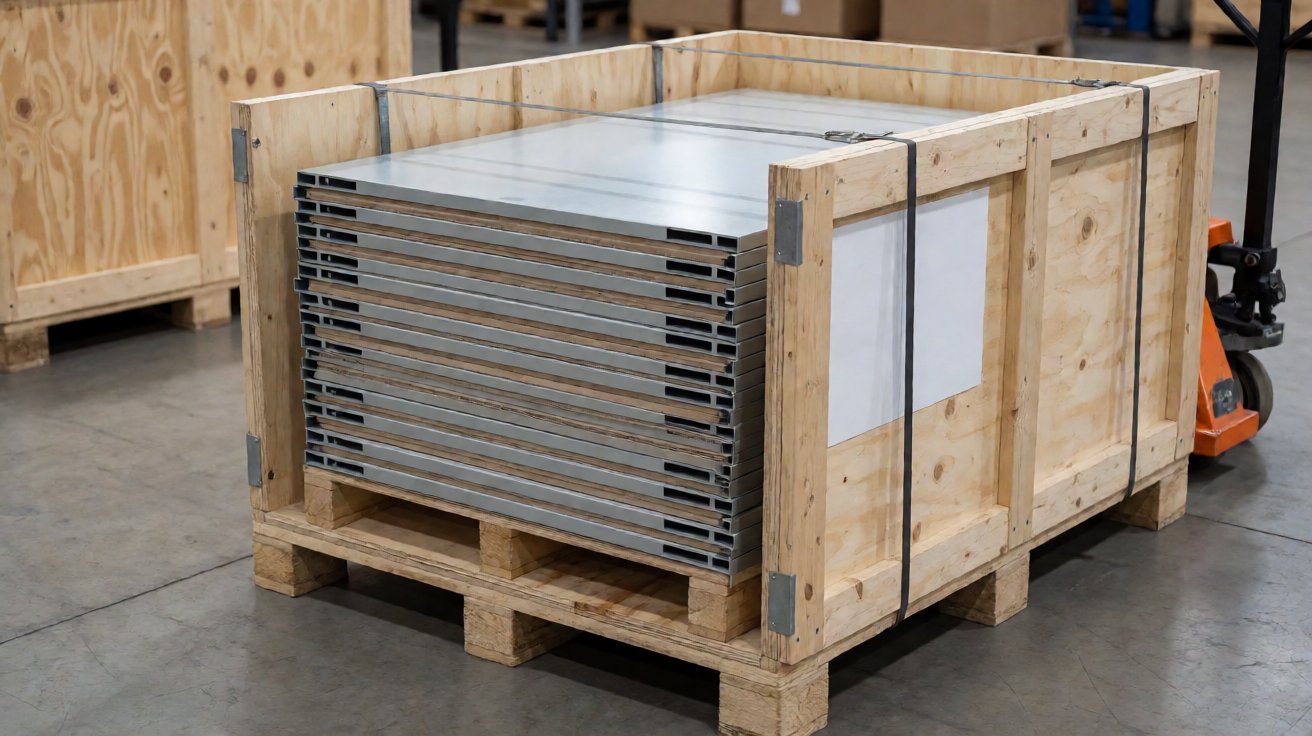
Figure 8: Export crating of OEM enclosure panels interleaved with foam and banded for sea freight.
Who owns the tooling and drawings? The customer owns the drawing and the part number; tooling and programs are held for that customer’s programme and not reused for another customer.
Can you match an existing enclosure we already buy? Yes. Send a sample or a full drawing set and we will reverse-engineer the geometry, then produce a dimensioned drawing for approval before the first batch.
Do you supply the enclosure assembled? Yes. Hardware insertion, mounting plates, gaskets, DIN rail and final assembly are part of the scope, so a cabinet can arrive ready to receive electrical components.
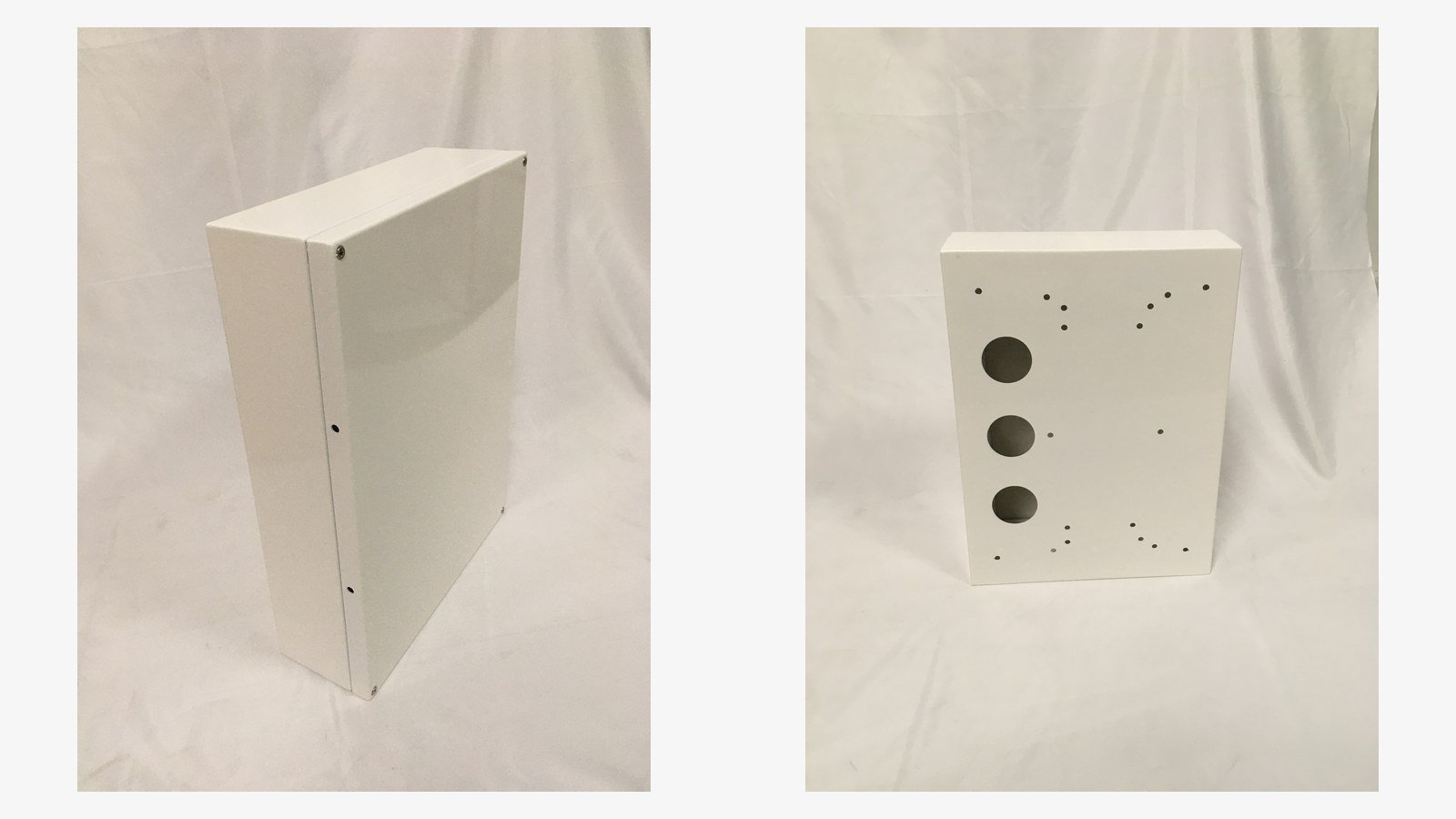
Figure 9: Finished OEM metal enclosures ready for assembly and shipment to an electrical equipment factory.