When engineers, project managers, and procurement teams request a fabrication quote, they often need an answer quickly. A preliminary drawing may seem sufficient for a rough budget, especially when deadlines are tight. However, the reliability of any sheet metal fabrication estimate depends on the quality and completeness of the information behind it.
Dimensions may still change, material grades may not be confirmed, and finishing or assembly requirements may be missing. If those details are not defined early, a quote can shift later as the design develops. Providing a complete drawing package gives both the buyer and the fabricator a more stable basis for pricing, planning, and production.
When Rough Drawings Produce Rough Numbers
It is easy to underestimate how much information goes into a fabrication quote. A few dimensions and a general concept can communicate the basic idea, but they do not define the complete manufacturing scope. Fabrication is not built on assumptions; it is built on specific, measurable requirements.
When drawings are incomplete, a responsible estimator must either pause the quotation or identify the assumptions behind a preliminary figure. Guessing the material, weld type, tolerance, surface finish, hardware, or inspection standard can make a quote appear precise while leaving important costs unresolved. A complete drawing package reduces that uncertainty and helps prevent avoidable revisions.
The Ripple Effect of Incomplete Information
Incomplete drawings affect more than the final price. They can influence material purchasing, production scheduling, labor planning, tooling decisions, and quality control. If a material grade changes after the quote, the supplier may need to reorder stock. If a weld specification or finish is added later, the manufacturing route may also change.
These interruptions can create delays while engineering questions are reviewed and approved. They may also increase the risk of rework or nonconformance when requirements related to fit, corrosion resistance, appearance, or compliance were not defined at the beginning. What starts as a quick request for a ballpark estimate can become a series of cost and schedule adjustments.
What Fabricators Need to See in Your Drawings
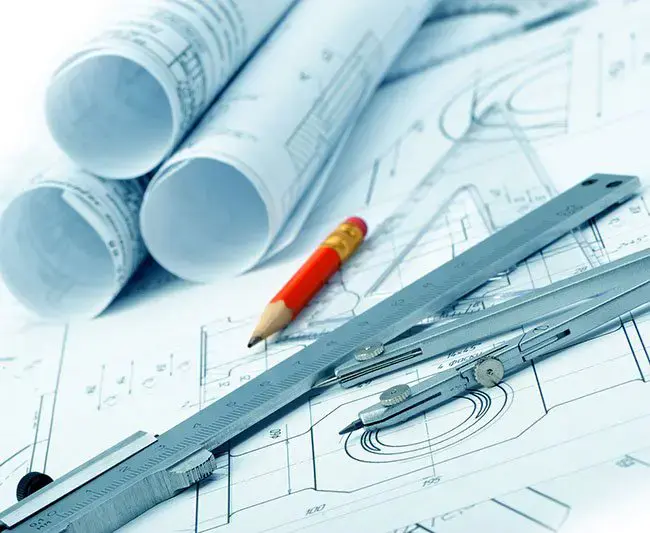
To prepare an accurate fabrication estimate, a manufacturer needs a clear picture of the finished part or assembly. Basic length, width, and height dimensions are only the starting point. The drawing should communicate the complete design intent and identify the features that affect material usage, processing time, assembly, and inspection.
The following information is especially useful:
- Material grade and thickness, including any approved alternatives
- Overall dimensions, bend locations, bend radii, bend direction, and critical clearances
- Weld symbols, joint requirements, weld length, and any leak-tight or appearance requirements
- Dimensional tolerances, geometric tolerances, and critical-to-function features
- Surface treatment, color, coating, plating, passivation, or corrosion-resistance requirements
- Fasteners, inserts, hardware, purchased components, and assembly instructions
- Required inspection reports, test methods, packaging requirements, and revision status
Including these details allows the estimator to evaluate material consumption, labor, equipment, secondary operations, and inspection needs with greater confidence. It also reduces follow-up questions that can slow down the quotation process.
Why Final Drawings Make a Difference
There is a meaningful difference between an estimate based on preliminary drawings and one based on an approved design. Final drawings allow the fabricator to review the project as a complete system, identify manufacturing challenges, and plan the sequence of cutting, forming, welding, finishing, and assembly.
A stable drawing revision also reduces repeated quotation updates. Instead of recalculating the estimate every time a dimension or finish changes, both sides can work from the same defined scope. If cost control is important, completing the drawing package before requesting a firm quote is one of the most effective steps a project team can take.
Planning Ahead Keeps the Project Moving
Drawing quality and timing work together. When finalized plans are submitted early, the fabrication partner has time to review the design, confirm material availability, schedule the appropriate equipment, and prepare for special operations such as precision bending, TIG or MIG welding, hardware installation, or custom finishing.
Early planning also leaves room for a design-for-manufacturing review. Minor changes made before production are usually easier to manage than changes discovered after material has been purchased or parts have been fabricated. Clear information at the start makes the entire process more predictable.
How an Experienced Fabricator Adds Value
A complete drawing package gives a fabricator the information needed to do more than calculate a price. An experienced team can review the design for manufacturability and point out opportunities to improve material utilization, simplify part geometry, reduce unnecessary welds, or select a finish that better matches the operating environment.
The goal of a DFM review is not to change the function or intent of the product. It is to identify practical adjustments that can reduce production risk, improve repeatability, and help control cost. This type of feedback is only possible when the design requirements and performance priorities are clearly stated.
A Practical Checklist for a More Reliable Estimate
Before sending a fabrication RFQ, review the drawing package against the following checklist:
- Submit the latest approved drawings and identify the revision clearly.
- Include material, thickness, dimensions, tolerances, and finishing requirements.
- Define welds, hardware, assembly steps, and any special testing or inspection.
- Identify critical features that affect fit, sealing, function, or appearance.
- Allow enough lead time for technical review, material planning, and scheduling.
- Remain available to answer clarification questions before the quote is finalized.
These steps help the fabricator prepare a quotation that reflects the actual project scope rather than a collection of assumptions.
Build Your Project on a Strong Foundation
Accurate fabrication estimates come from clear communication, complete drawings, and realistic planning. The more clearly a project defines its materials, dimensions, tolerances, finishes, and assembly requirements, the easier it is to align price, schedule, and quality expectations from the beginning.