Last updated: September 28, 2026 | By XHX Metal Engineering Team
A wall mounted enclosure is the box an equipment builder puts on the wall when the machine cannot be next to the operator: the controller, the power supply, the interface or the analyser goes inside, and everything the customer touches stays outside. It is a small product that has to solve four problems at once — protect the electronics, open for service, mount on a wall that may not be flat, and still look like part of the installation.
This guide is written for the buyers who specify that box. It covers the formats a wall mounted enclosure takes, the sheet and forming that decide whether the recessed front panel stays crisp, the door, hinge and cut-out tolerances that decide whether it fits on site, and how a programme runs from drawing to delivery — with real batch data from three supplier programmes.
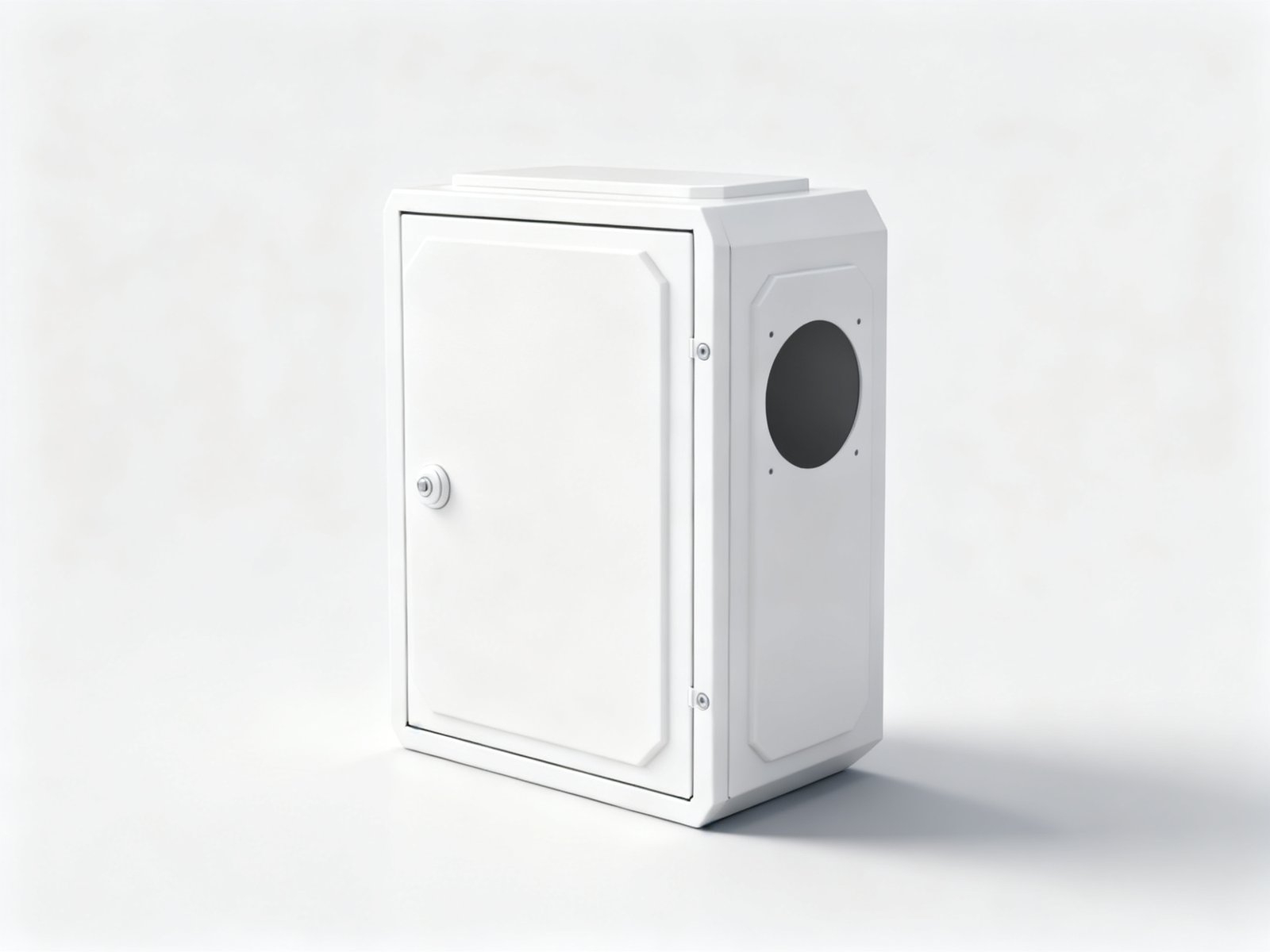
Figure 1: A wall mounted enclosure in white powder coated steel, with a circular cut-out for a fan or sensor.
The Product: What a Wall Mounted Enclosure Is
What Wall Mounted Enclosure Manufacturing Covers
Wall mounted enclosure manufacturing covers the body, the door and its hinge, the lock or latch, the internal mounting plate, the cable entries, the wall fixing points, and the finish. The controller, the power supply, the sensors and the wiring belong to the customer; the box that carries and protects them is the factory’s.
That split is worth stating on the quotation, because most site problems with a wall mounted enclosure are not electrical. They are a door that will not close after the wall has been rendered, a cable entry in the wrong place, or a box that sits proud of the wall on one side because the fixing pattern assumed a flat surface.
XHX Metal produces these enclosures from drawing to delivered parts in one factory: laser cutting on two 6kW fiber laser cutting machines to plus or minus 0.01 mm, CNC punching and bending, TIG and MIG welding, deburring, and powder coating through audited partners. The wider scope is on the product range page.
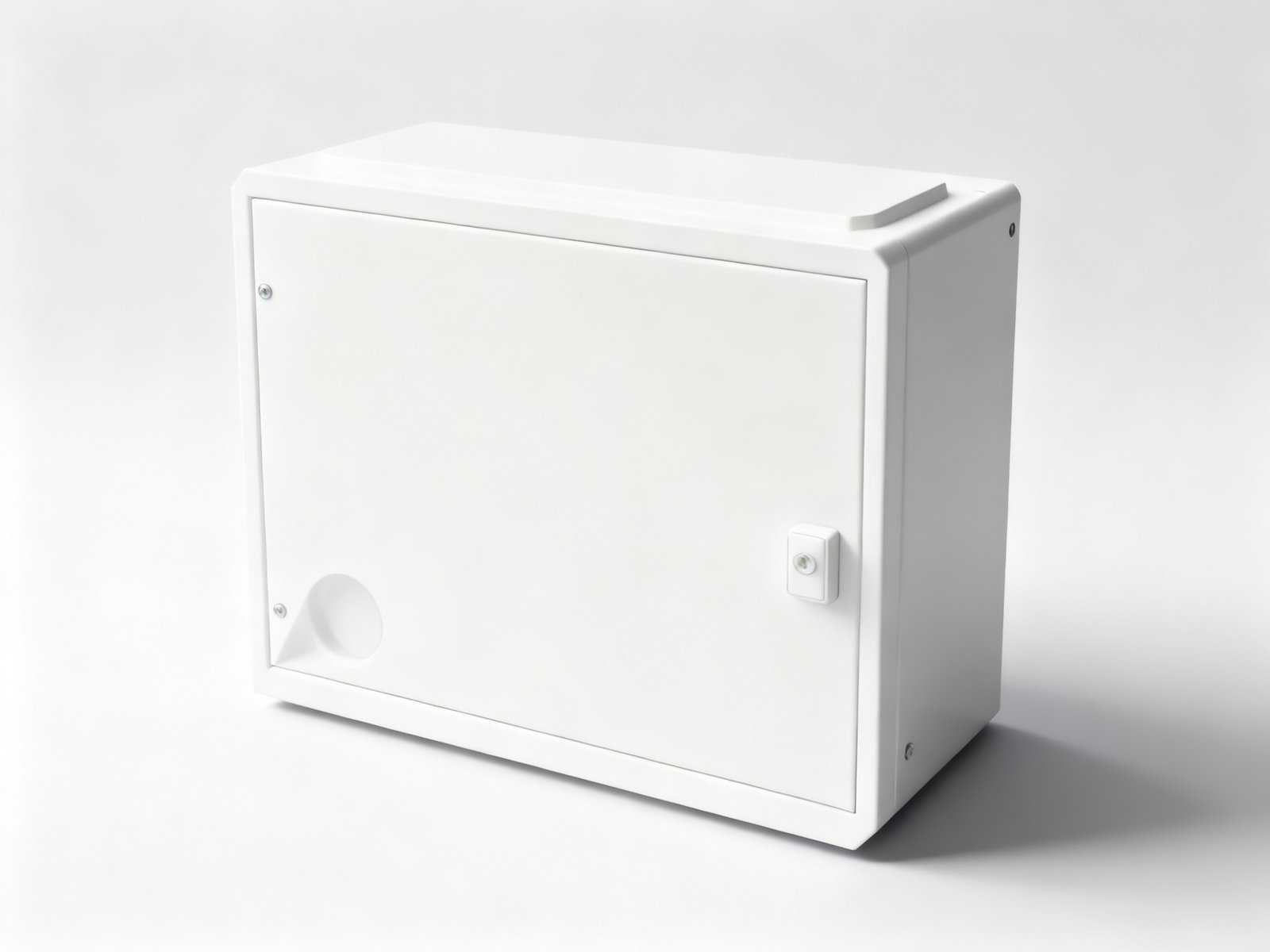
Figure 2: The side and rear of a wall mounted enclosure, showing the fold detail and the wall fixing points.
Formats: Flat Face, Recessed Face, and Multi-Part
A flat-face wall mounted enclosure is the simplest form: a folded box with a plain door. It is cheap to make and works wherever the box is hidden in a plant room, but on a visible wall it reads as utilitarian.
A recessed-face enclosure pushes the door into a formed step, so the front of the product carries a border and the panel sits below the outer edge. That recess adds stiffness to the door, hides the gasket line, and is the single detail that makes an industrial box look designed. A multi-part enclosure goes further, splitting the body into a wall plate, a cover and an inner chassis so that wiring can be done before the cover goes on.
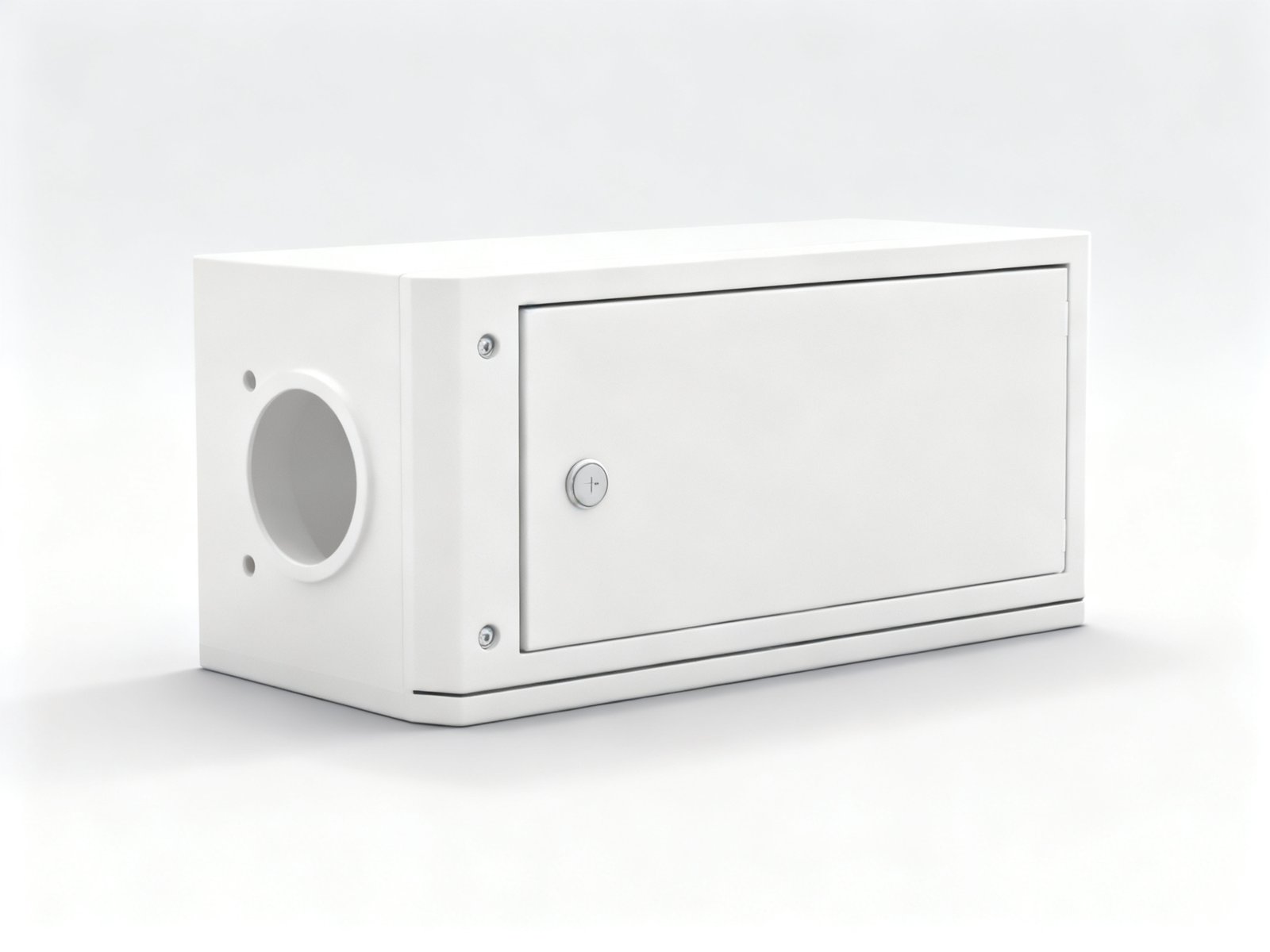
Figure 3: The recessed front face, the formed step that stiffens the door and hides the gasket line.
The Parts Buyers Order Most
The parts on nearly every order are the body, the door or cover, the mounting plate, the hinge and lock set, the cable entry plate, and the wall fixing brackets. Buyers add a breather vent, a rain hood, a viewing window, and a printed label recess as the equipment design matures.
For a wall mounted enclosure the parts list is short, which makes the fixing kit the item that decides whether the installer is happy. A box that arrives without the right anchors, or with a fixing pattern that does not match the one on the drawing, creates a site visit rather than a complaint.
Use Cases: Who Orders Wall Mounted Enclosures
Equipment Builders and System Integrators
Machine builders and system integrators order a wall mounted enclosure to their own equipment layout, usually with the mounting plate positions and cable entries already fixed by the electrical drawing. The box has to accept the components that are already specified, so the internal geometry matters more than the outside appearance.
These buyers are the strictest on repeatability, because the same enclosure goes on every machine they ship. A mounting plate hole that moves by two millimetres means a new drilling template on the assembly floor, so the first article report should record the plate and entry positions rather than the outside dimensions alone. Industrial integration work of this kind is described on the industrial automation page.
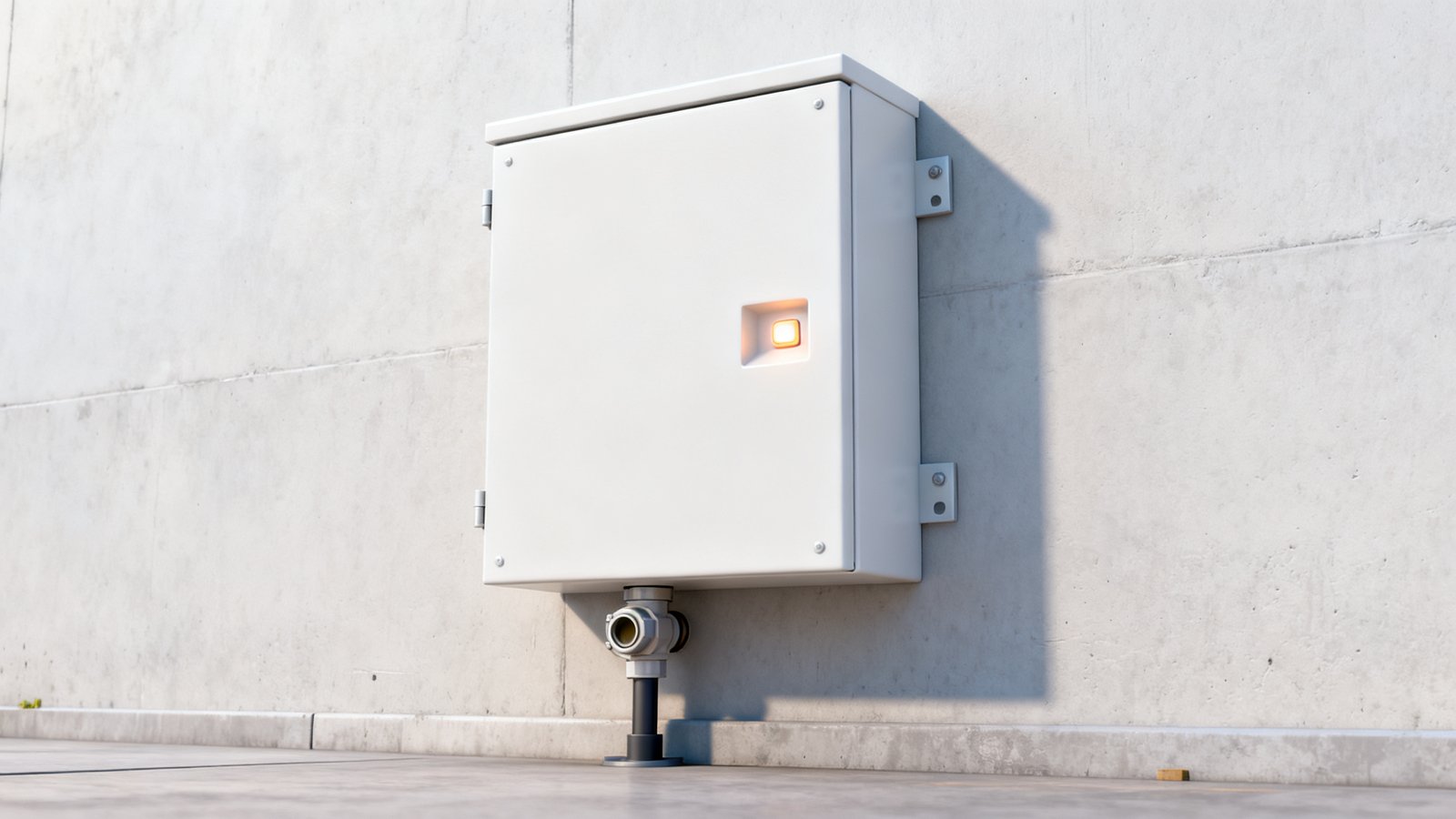
Figure 4: A wall mounted enclosure installed on an industrial wall, with cable entry through the bottom face.
Medical, Laboratory, and Clean Environments
Medical and laboratory equipment builders order wall mounted enclosures with a smooth, wipeable exterior and no dirt traps, which changes the design rather than the material. Welds are dressed, corners are radiused, and fixings are hidden so that a cloth passes over the surface without catching.
These programmes also carry documentation. Cleaning agents, coating chemistry and material declarations are requested at quotation, and product safety expectations for equipment in public and clinical settings are published by the US Consumer Product Safety Commission in the United States and through CEN-CENELEC standards in Europe.
Building Services and Utility Installations
Building services contractors order wall mounted enclosures for controls, metering and communications in plant rooms, risers and plantrooms, where the box is installed by a tradesman rather than by the equipment builder. The priority shifts to a predictable fixing pattern, a lock that takes a padlock, and a finish that survives a damp environment.
These programmes run in smaller batches across several sites, so a wall mounted enclosure is usually ordered as a stocked size rather than a bespoke one. Where a specification names an enclosure type or an ingress expectation, it is written against the standards published by NEMA and evaluated by laboratories such as UL.
Materials, Forming, and Finish
Steel Sheet and Thickness
Mild steel between 1.0 mm and 2.0 mm is the default for a wall mounted enclosure, and the gauge is set by the door span rather than by the load. A small box up to about 300 mm wide works at 1.0 to 1.2 mm; anything larger, or any box with a wide unsupported door, is safer at 1.5 to 2.0 mm.
Stainless steel is chosen for washdown, coastal and clinical locations, and aluminium where weight matters. Material guidance is published by SSINA for stainless, and the coating that follows is selected to suit the substrate rather than the colour alone.
Forming the Recessed Front Panel
On a wall mounted enclosure, the recess in the door is produced in one of two ways. A short step can be formed on a press brake with a set of bends, which suits small batches and simple geometry. A deeper or rounded recess needs a formed tool, which costs more but produces a repeatable profile without visible bend marks.
Whichever route is used, the bend radius has to be matched to the sheet thickness and to the coating. A radius that is too tight for the gauge will crack the powder coat along the fold, and the crack appears as a line on the most visible face of the product. Forming practice and its limits are described by SME.
Powder Coating and Colour Consistency
A powder coating over a correctly pre-treated surface is the standard finish, usually in a light grey, white or textured black. On a wall mounted enclosure the coating has to cover folded edges, weld dressing and the inside of the recess without building a heavy edge that changes the door gap.
Coating practice is described by the Powder Coating Institute, and galvanised or zinc-rich substrates for outdoor installations by the American Galvanizers Association; coating chemistry for the European market falls under EU REACH. Two batches coated weeks apart will not match by accident, so one powder lot per order, recorded cure parameters and a retained sample are what keep a repeat delivery consistent.
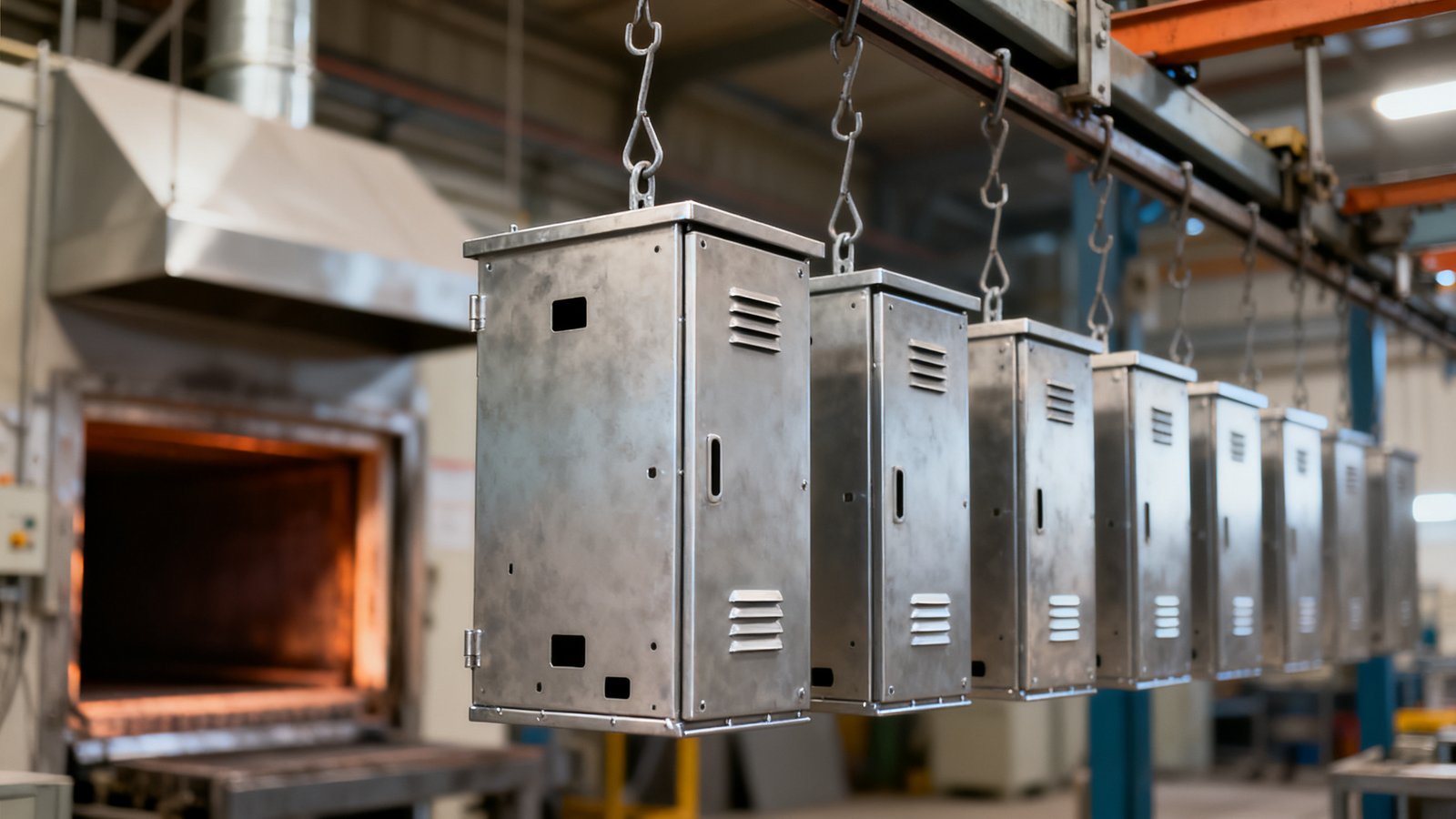
Figure 5: Bare enclosure bodies on a coating line, ready for the powder coat that defines the finish.
Production Difficulty and Quality Risks
From Equipment Layout to Enclosure Geometry
A wall mounted enclosure is drawn backwards from the equipment inside it, not from its outside size. The customer states the components, the cable entries and the wall space; the factory then sets the internal depth, the mounting plate position, the door opening and, last, the external dimensions.
That order matters because a box sized from the outside nearly always ends up either too shallow for the wiring or heavier than the wall fixing needs to carry. Where the customer has an existing product to replace, we measure it and issue a drawing for approval rather than scaling from the old box.
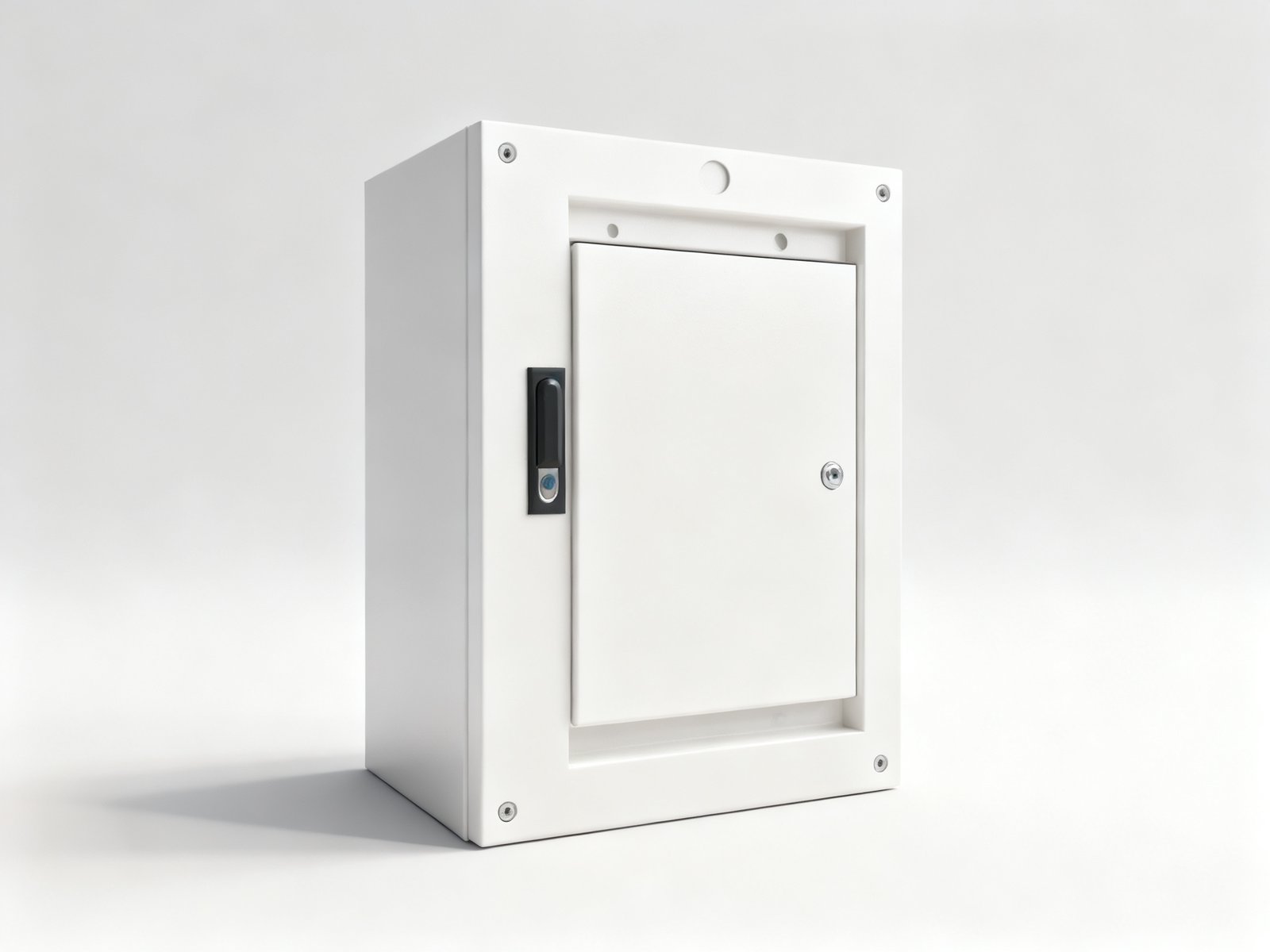
Figure 6: The flush lock in the door face, the detail that shows whether the door has been formed accurately.
Door Fit, Hinge Alignment, and the Recessed Face
A recessed-face wall mounted enclosure has two tolerances that decide how it looks: the width of the border around the door, and the gap between the door edge and the recess. Both are set by the fold positions, so a small error in the flat pattern shows as an uneven border on the finished box.
Hinge alignment is the second risk. A door that sags on one side will not close against the gasket evenly, and on an outdoor installation that becomes a water path. The controls are a jigged hinge position, a first article check on the door gap at four points, and a dimensional verification using the practice published by NIST.
Cut-outs, Lock Fit, and Wall Fixing
The circular cut-outs on the sides and bottom take fans, sensors, glands and connectors, and each one has its own size and position on the drawing. A cut-out that is a millimetre out will still accept the component, but it will move the cable run and the installer will notice.
The lock is the second fit risk, because an inset lock that sits high leaves a visible step in the door face. The final risk is the wall fixing: the fixing pattern has to match the drawing and the anchors have to suit the substrate, and thread and fastener standards for both are published by ANSI. A box that cannot be levelled on an uneven wall will be packed with shims on site, which is exactly the outcome a well-drawn fixing pattern avoids.
Lead Times, Files, and Order Flow
What You Send Us
To quote a wall mounted enclosure we need the components that go inside, the wall space available, the cable entry positions, the fixing method, the ingress expectation, the finish and the annual volume. A marked-up photograph of the installation position is often more useful than a general drawing.
Where the design is fixed, a STEP model or a dimensioned 2D drawing works well, with the mounting plate, the cut-outs, the door gap and the fixing pattern called out separately. Where the buyer has a competitor box, we measure it and issue a drawing for approval rather than copying it by eye.
Batch Volumes, MOQ, and Realistic Pricing
A wall mounted enclosure is a mid-size fabricated item. Realistic production runs from 50 to 300 pieces per batch over three to six releases a year, with a minimum order around 20 to 50 pieces and FOB prices typically between $15 and $80 each depending on size, material, and how much is fitted inside.
Within that band the size and the door detail do most of the work. A flat-face painted box with a simple latch sits at the bottom; a recessed-face stainless box with a mounting plate, a lockable door and a sealed entry plate sits at the top. First batches ship 15 to 30 days after drawing and sample approval, and repeat releases move faster once the fixture and the coating record exist.
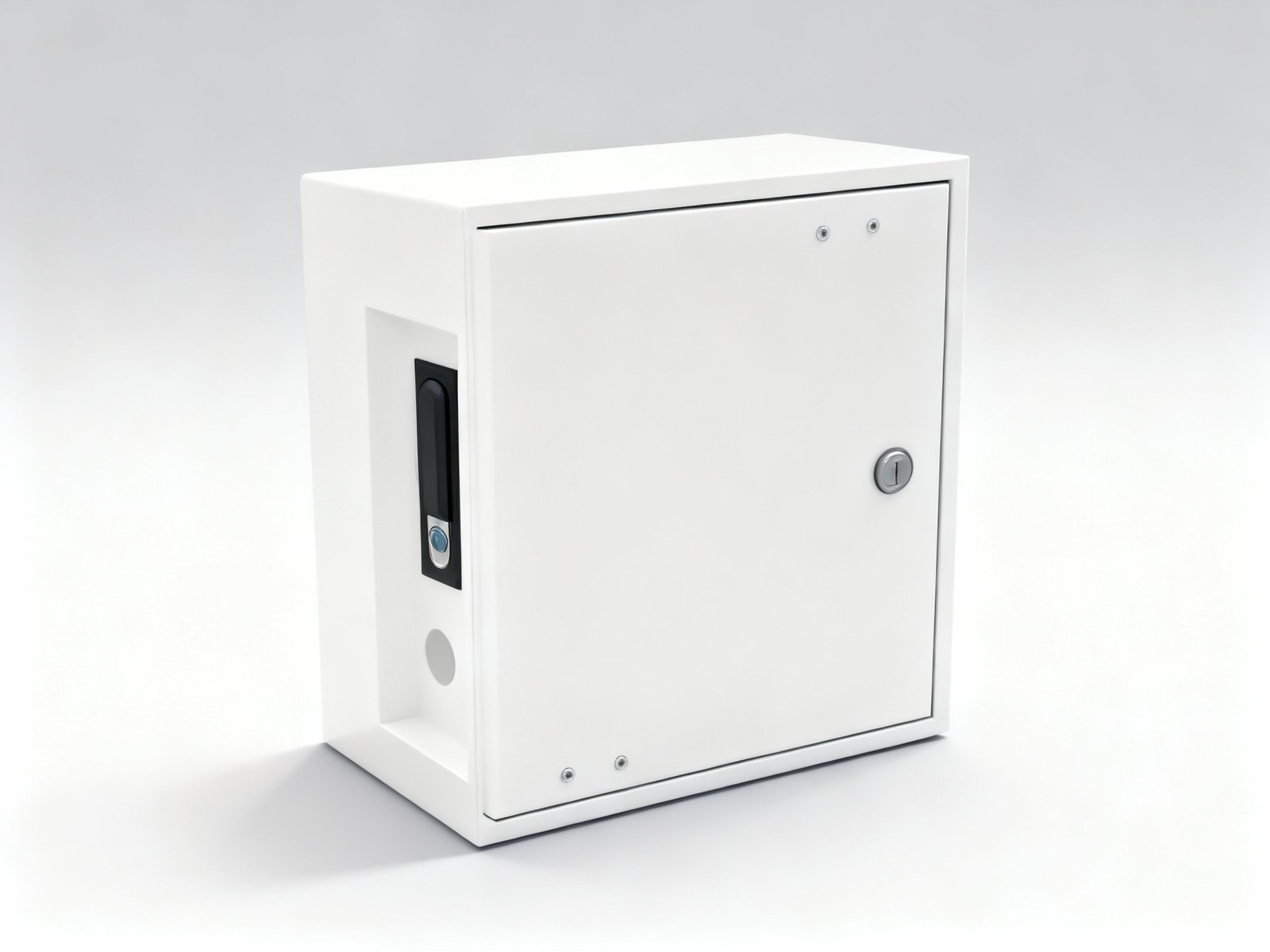
Figure 7: The lock and door edge on a production enclosure, checked against the first article before packing.
Assembly, Post-Processing, and Documents
XHX Metal cuts, punches, forms, welds and deburrs the enclosure, fits the hinge, lock, gasket and mounting plate, and packs to the customer’s line or warehouse standard. Coating and galvanising are carried out by audited partners, with pre-treatment and film thickness recorded against the batch.
An order is supported by the approved drawing with its revision number, material certificates, a first article inspection report, coating records, batch inspection records, and a packing list. Buyers who need third-party verification of the kind offered by UL should agree the scope at quotation. For a wall mounted enclosure the first article report is what proves the plate and cut-out positions, which is the part of the product the installer actually depends on.
Case Studies: Wall Mounted Enclosure Programmes
Case 1: Machine Builder — Recessed-Face Control Box
A machine builder needed a wall mounted enclosure for the controller and power supply of a packaging line, with a recessed front face, a lockable door and a mounting plate position already fixed by the electrical drawing.
The wall mounted enclosure was produced in 1.5 mm steel with a formed recess, a jigged hinge position, a flush lock and a drilled mounting plate, finished in a light grey powder coat. The mounting plate pattern was checked against the customer’s electrical drawing before the batch ran. Production ran at 300 pieces per batch, four releases a year, with an MOQ of 50 and FOB prices from $26 to $40. The first batch shipped 22 days after approval, and annual value was approximately $44,000.
Case 2: Laboratory Equipment Builder — Clean-Finish Enclosure
A laboratory equipment builder needed a wall mounted enclosure with a smooth, wipeable exterior, dressed welds and no exposed fixings on the front face, to suit a benchtop analyser installation.
The enclosure was produced in 1.2 mm steel with radiused corners, dressed welds, concealed fixings and a recessed door, finished in a white powder coat with a retained colour sample. The colour sample stayed with the job so that later analyser builds matched the first. Production ran at 150 pieces per batch, three releases a year, with an MOQ of 50 and FOB prices from $38 to $58. The first batch shipped 25 days after approval, and annual value was approximately $22,000.
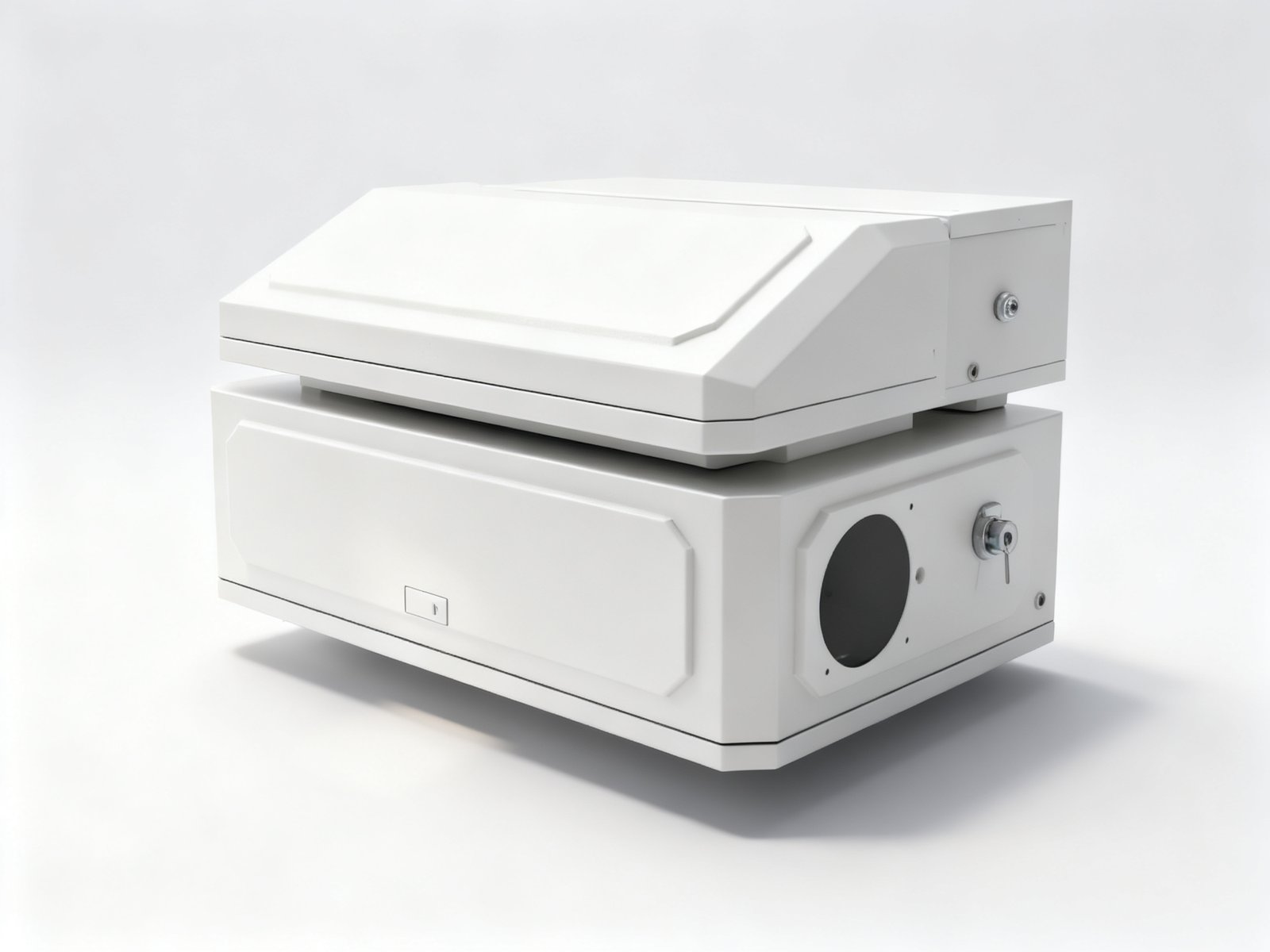
Figure 8: A production batch of wall mounted enclosures stacked ready for packing.
Case 3: Building Services Integrator — Stocked Size Range
A building services integrator needed a stocked wall mounted enclosure for controls and metering across several sites, in two sizes sharing the same door, lock and fixing pattern.
Both sizes were produced in 1.2 mm steel with the same door geometry and a padlockable latch, finished in a textured light grey powder coat, so that one spare kit covered the range and one drilling template served every size. The first article recorded the door gap and the latch position. Production ran at 200 pieces per batch, four releases a year, with an MOQ of 50 and FOB prices from $18 to $32. The first batch shipped 21 days after approval, and annual value was approximately $26,000.
Summary and Next Steps
How to Choose a Wall Mounted Enclosure Supplier
The supplier that fits a wall mounted enclosure sets the internal geometry from the customer’s components, holds the door gap and the border width on a recessed face, and documents the plate and cut-out positions on a first article report. Ask to see that report and a coated sample from the production line.
Check that the quotation states the sheet thickness, the material, the pre-treatment and coating system with its film thickness, the lock type, the entry plate and the fixing kit. Match the supplier to the batch size as well, since a wall mounted enclosure is usually bought in the tens or hundreds rather than by the container.
Why XHX Metal
XHX Metal provides wall mounted enclosure manufacturing from drawing to delivered parts: laser cutting to plus or minus 0.01 mm, CNC punching and bending, TIG and MIG welding, deburring, powder coating through audited partners, and assembly with the mounting plate, hinge and lock fitted.
The company has manufactured sheet metal enclosures for export customers from Dongguan, Guangdong since 2014, and holds ISO 9001:2015 certification with CE documentation and SGS records. Surface treatment practice for the stainless variants is published by National Association for Surface Finishing. Samples in 5 to 10 working days and first batches in 15 to 30 days are normal work.
How to Start Your Programme
Send the components that go inside, the wall space, the cable entry positions, the fixing method, the finish and the annual volume. We will propose the internal geometry, issue a drawing, and build a sample for approval.
Programmes are handled directly through the contact page.
FAQ: Wall Mounted Enclosure Manufacturing
What sizes can you make? Small enclosures up to about 300 mm wide are usually 1.0 to 1.2 mm steel, and larger units run at 1.5 to 2.0 mm depending on the door span.
Can you match the fixing pattern of the enclosure we use now? Yes. Send the existing box or the drawing, and the fixing pattern is carried over and recorded on the first article report.
What is the minimum order? MOQ is typically 20 to 50 pieces, with batches released three to six times a year.
Do you fit the mounting plate, hinge and lock? Yes. The enclosure is supplied assembled, so the customer’s components can be fitted without additional sourcing.
Which finish suits a damp plant room? A powder coat over a pre-treated or galvanised substrate is the usual choice, with stainless steel where the environment is aggressive.
How long does a sample take? A sample follows in 5 to 10 working days after drawing approval, and the first batch ships 15 to 30 days after approval.