Last updated: September 24, 2026 | By XHX Metal Engineering Team
Bike basket manufacturing is only half about the basket. The wire cage takes the parcels, but the mounting kit decides whether a shop can sell the product at all, because a basket that does not fit the customer’s fork, handlebar or rear rack is returned rather than installed.
This guide is written for the buyers who place that order. It covers the basket types a factory can produce, the wire, welding and coating that decide how the cage lasts, the mounting bracket and hardware that make the product complete, and how a programme runs from drawing to delivery — with real batch data from three supplier programmes.
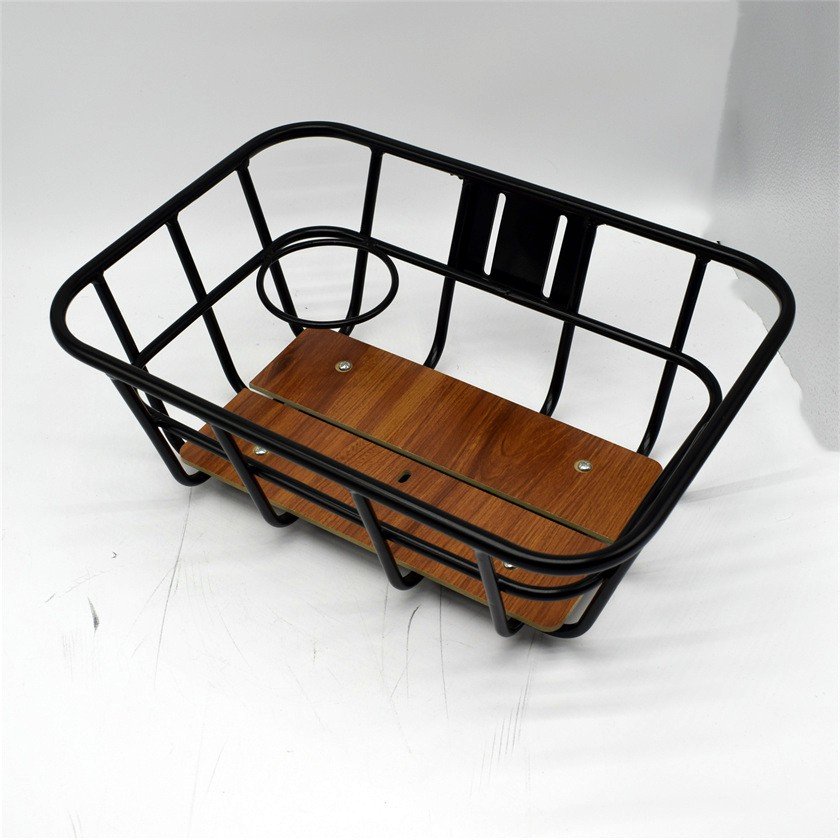
Figure 1: A powder coated steel wire bike basket with a wooden base board, produced as a complete assembly.
The Product: What a Bike Basket Includes
What Bike Basket Manufacturing Covers
Bike basket manufacturing covers the whole item a customer unwraps: the wire cage, the rim and base frame, the wooden or plastic base board, the mounting bracket, the clamps and the screws. The bicycle itself is the customer’s; the basket and everything needed to fit it are the factory’s.
In bike basket manufacturing, that scope matters commercially. A basket supplied on its own is a component, and the buyer has to source the bracket separately from a second supplier, match the screw sizes and write the fitting instructions. A basket supplied as a kit is a shelf-ready product. The extra cost sits in the bracket and the packing, not in the cage, and it is the difference between selling parts and selling an accessory.
Basket Types: Front, Rear, Fixed, and Detachable
In bike basket manufacturing, front baskets bolt to the fork crown or the handlebar and take the small, frequent loads of city riding. Rear baskets sit over the carrier and take bulk rather than weight, and they usually need a wider base to stay stable once loaded.
Within those two positions, the choice is fixed or detachable. A fixed bike basket manufacturing programme uses a welded or bolted bracket and is cheaper and more rigid. A detachable basket uses a quick-release plate, which lets the rider carry the loaded basket into a shop, and which adds a stamped or cast interface to the parts list. That interface is where most fit problems start, because it has to match a standard that the customer’s bicycle already uses.
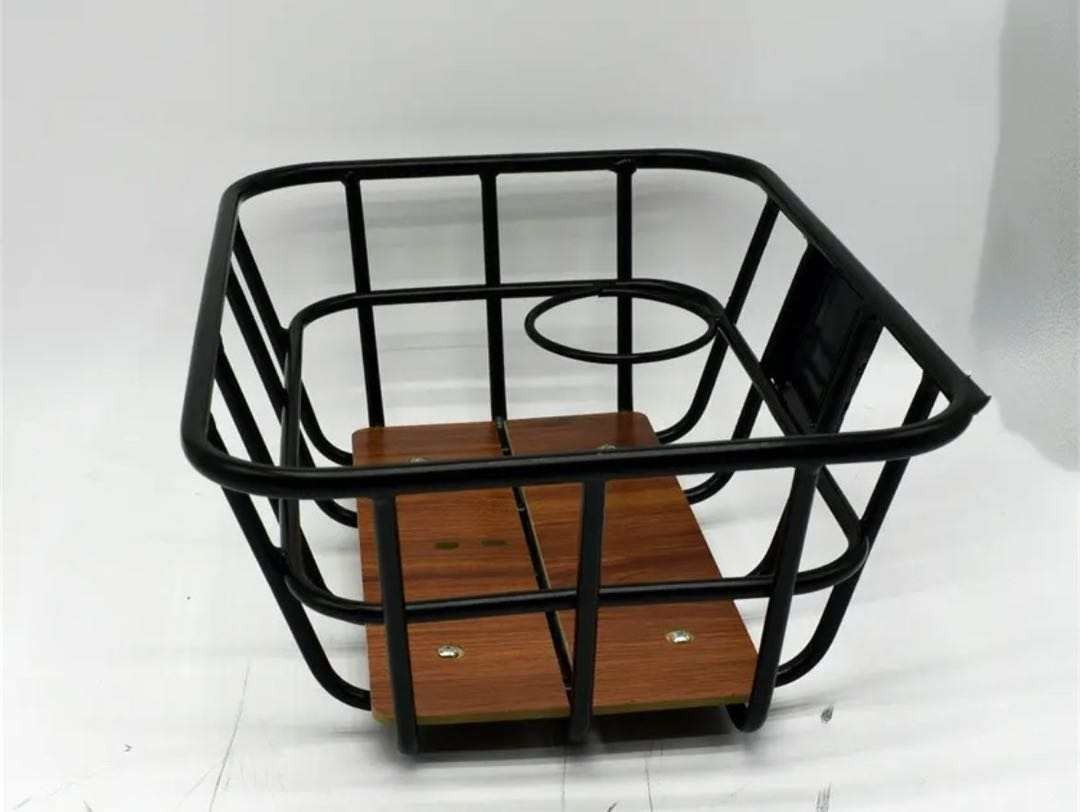
Figure 2: The wire cage and its wooden base board, the two parts that make up the basket itself.
The Mounting Kit Is Half the Product
In bike basket manufacturing a mounting kit normally contains a bracket, two clamp halves or stand-off blocks, a base plate, and four to six screws with washers. Each part is cheap on its own, but the set decides whether the basket can be fitted in ten minutes with a screwdriver or has to go back.
Two details are worth settling at the drawing stage. The first is the screw length, which has to clamp the bracket without bottoming out inside the fork or the rack tube. The second is the orientation of any offset bracket, because a bracket with a directional screw hole will only fit one way round, and if it is packed the wrong way up the customer will assume the part is wrong. Both are covered in the assembly note that should travel with every bike basket manufacturing order.
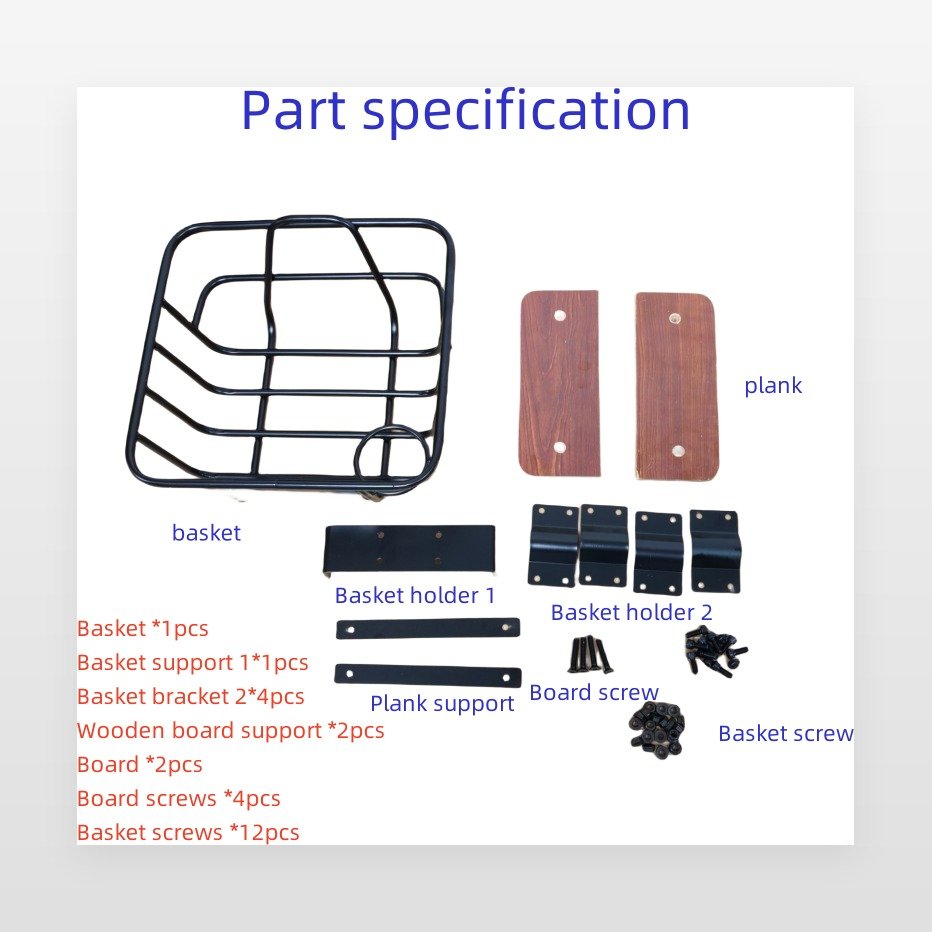
Figure 3: The part specification for a bike basket kit: cage, base board, brackets, clamps and screws.
Use Cases: Who Orders Bike Baskets
Bike Brands and OEM Assemblers
Bicycle brands order baskets to their own specification and colour, often as part of a city or commuter model. The basket has to match the frame finish, fit the fork or the carrier that is already tooled, and arrive at the assembly line in a kit that a fitter can mount without reading a manual.
These buyers are the strictest on the mounting interface, because a bicycle is assembled on a moving line. A bracket that needs filing, or a screw that needs a different washer, stops the line rather than producing a complaint. For a bike basket manufacturing programme run for an OEM, the first article should record the bracket geometry and the screw length rather than only the cage dimensions.
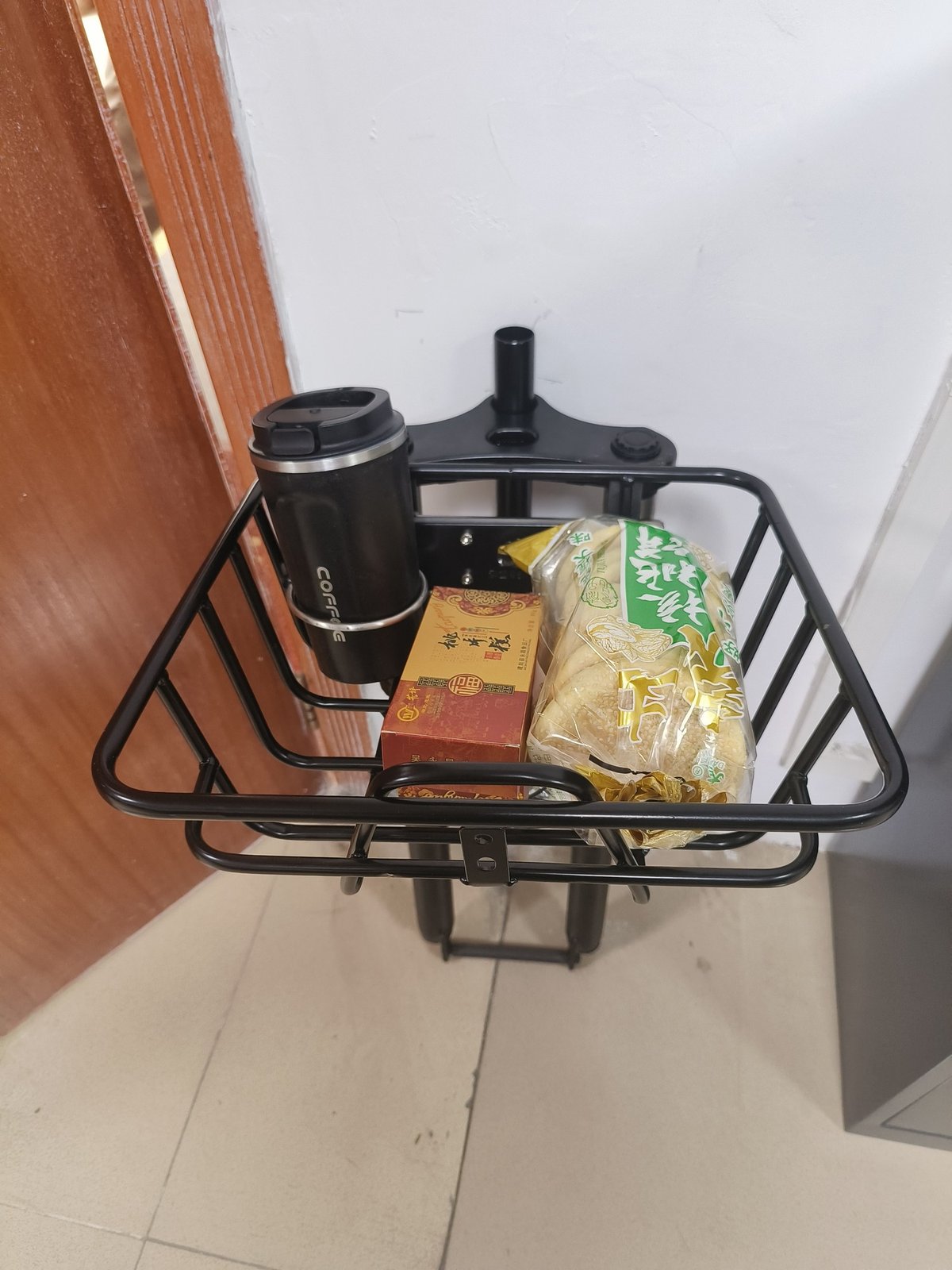
Figure 4: A bike basket fitted to the front fork, with the mounting bracket clamped to the fork crown.
Accessory Distributors and Retail Chains
Distributors and retail chains buy the output of bike basket manufacturing as a packaged accessory with a barcode, a printed carton and a fitting leaflet. Their priority is that the product can be put on a shelf as it arrives, and that the parts inside the box are complete every time.
That makes kitting and packing part of the product rather than a final step. A missing washer is not a manufacturing defect in the cage, but it is a return from the end customer, and at retail volumes a small shortage rate turns into a large number of returns.
Fleet, Rental, and Share Programmes
Rental fleets and bike share operators order heavier baskets that have to survive being loaded, emptied and leaned on by people who do not own them. The cage is usually thicker wire, and the bracket is a welded or bolted steel assembly rather than a light stamped plate.
Bike basket manufacturing for fleets also has to be standardised: one basket and one bracket across the fleet, so that a damaged unit can be swapped from stock. The same thinking applies to electrically assisted fleets, where the basket and the battery enclosure are both fitted to the same frame; the mounting approach used for an e-bike battery box gives a useful comparison.
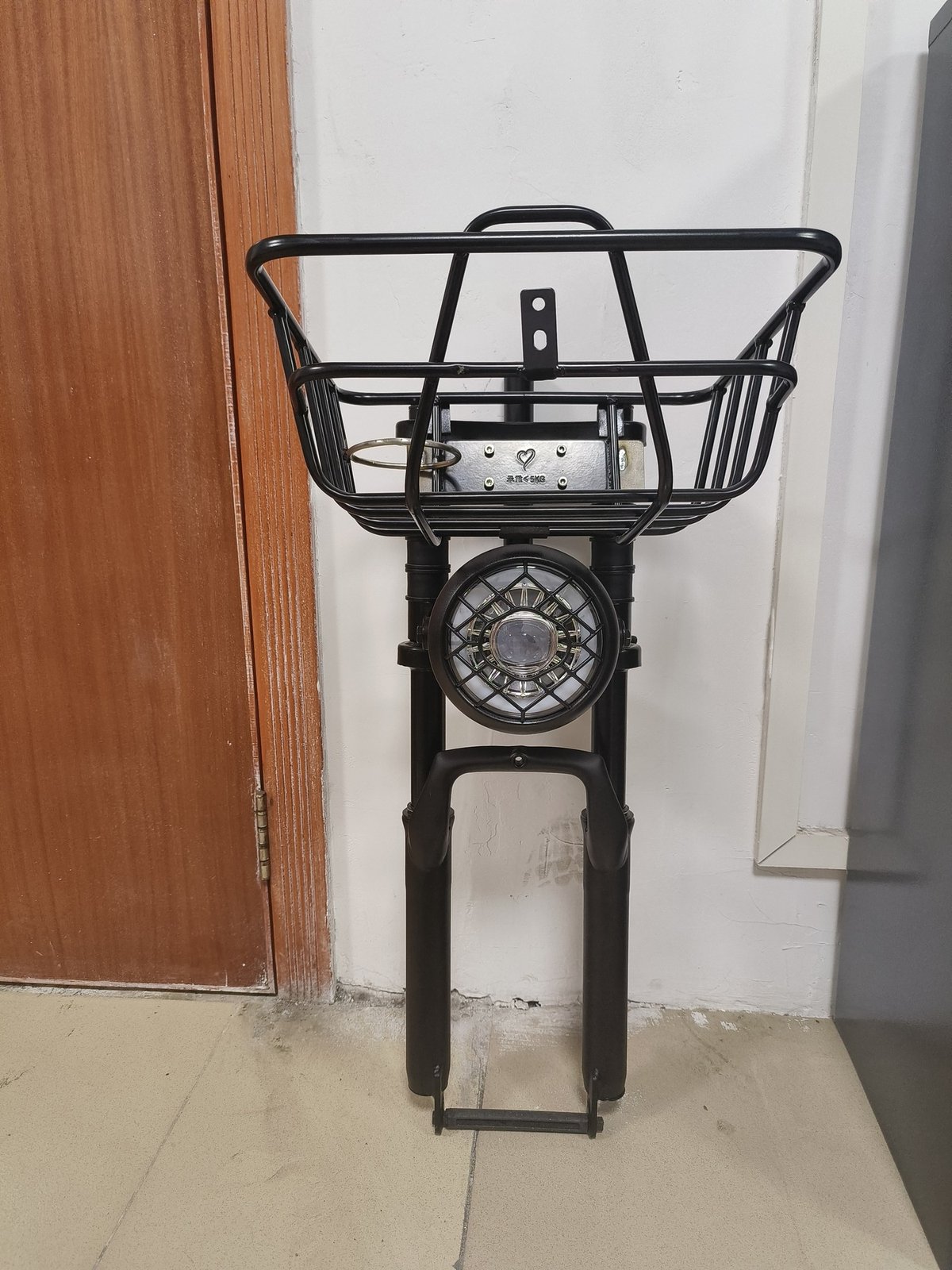
Figure 5: A basket in service with a load inside, the condition that decides whether the bracket stays rigid.
Materials, Welding, and Finish
Steel Wire, Tube, and Sheet
In bike basket manufacturing the cage is made from low-carbon steel wire, usually between 3 mm and 5 mm in diameter, bent into rings and welded to the rim and the base frame. Light city baskets use the lower end; fleet and cargo baskets move up, because wire diameter is what resists a load being pressed down on the base.
The frame and bracket are made from tube or sheet. A welded tube frame gives the stiffest basket and the highest tooling cost; folded sheet brackets are cheaper and suit lower volumes. Material guidance for stainless and aluminium alternatives is published by SSINA, the Aluminum Association and European Aluminium, though painted steel remains the usual choice for a bike basket.
Welding the Mesh and the Frame
In bike basket manufacturing a cage is a series of spot or resistance welds, and the quality of the product is decided by how consistent those welds are. A joint that is under-welded comes apart when the basket flexes; one that is over-welded burns the wire and leaves a brittle point that snaps later.
The practical control is a fixture. A bike basket manufacturing programme built around a welded fixture holds the rings and the rim in position while the welds are made, so every cage comes out the same shape and the same size. Without a fixture, cages are assembled by eye, and the difference only appears when the base board is fitted and the holes no longer line up. The general principles of this kind of jigged assembly are described by SME.
Powder Coating and the Base Board
In bike basket manufacturing a powder coating over a pre-treated steel surface is the standard finish, and on a basket it has to cover a difficult shape: thin wire, tight inside corners and weld spatter all resist an even coat. A basket coated without proper pre-treatment will show rust at the weld points first, because that is where the surface is roughest.
Coating practice is described by the Powder Coating Institute, and for galvanised brackets the American Galvanizers Association; coating chemistry for the European market falls under EU REACH. The base board is fitted after coating, usually in a slatted timber that matches the basket colour, and it is the one part of the product that is not metal.
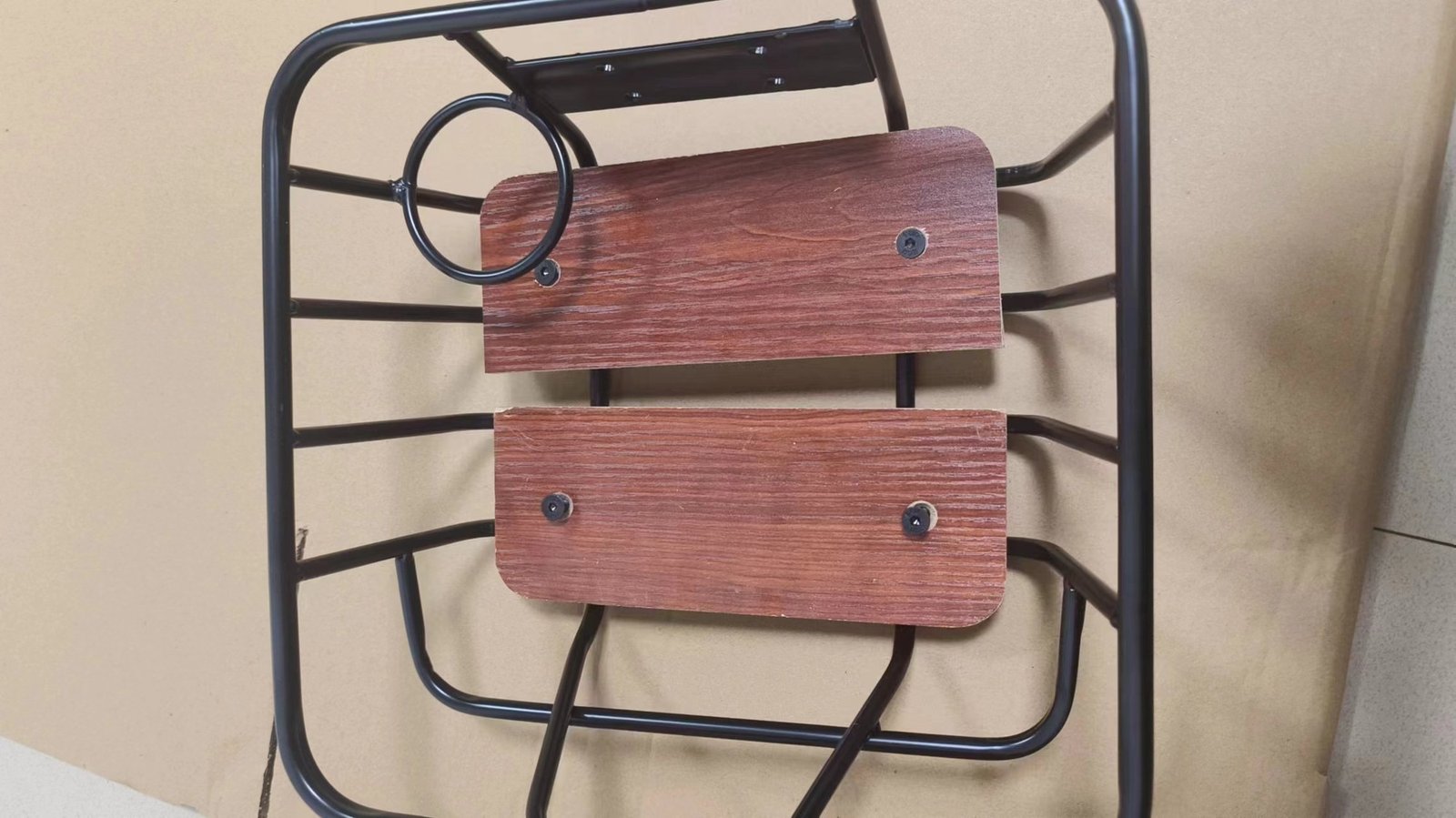
Figure 6: The wooden base board with its fixing clamps, fitted after the cage has been coated.
Production Difficulty and Quality Risks
From Basket Drawing to Welding Fixture
Bike basket manufacturing does not produce a sheet metal part, and the result cannot be measured like one. The drawing fixes the outer envelope, the wire diameter, the ring spacing and the bracket positions, and the fixture then holds those dimensions while the cage is welded.
The order of work matters here more than in flat fabrication. The rim is formed first, the rings are bent to length, the base frame is tacked, and the bracket is located from the base frame rather than from the cage. If the bracket is positioned from the cage, small differences in the wire will move the mounting holes, which is exactly the feature that has to repeat across a batch.
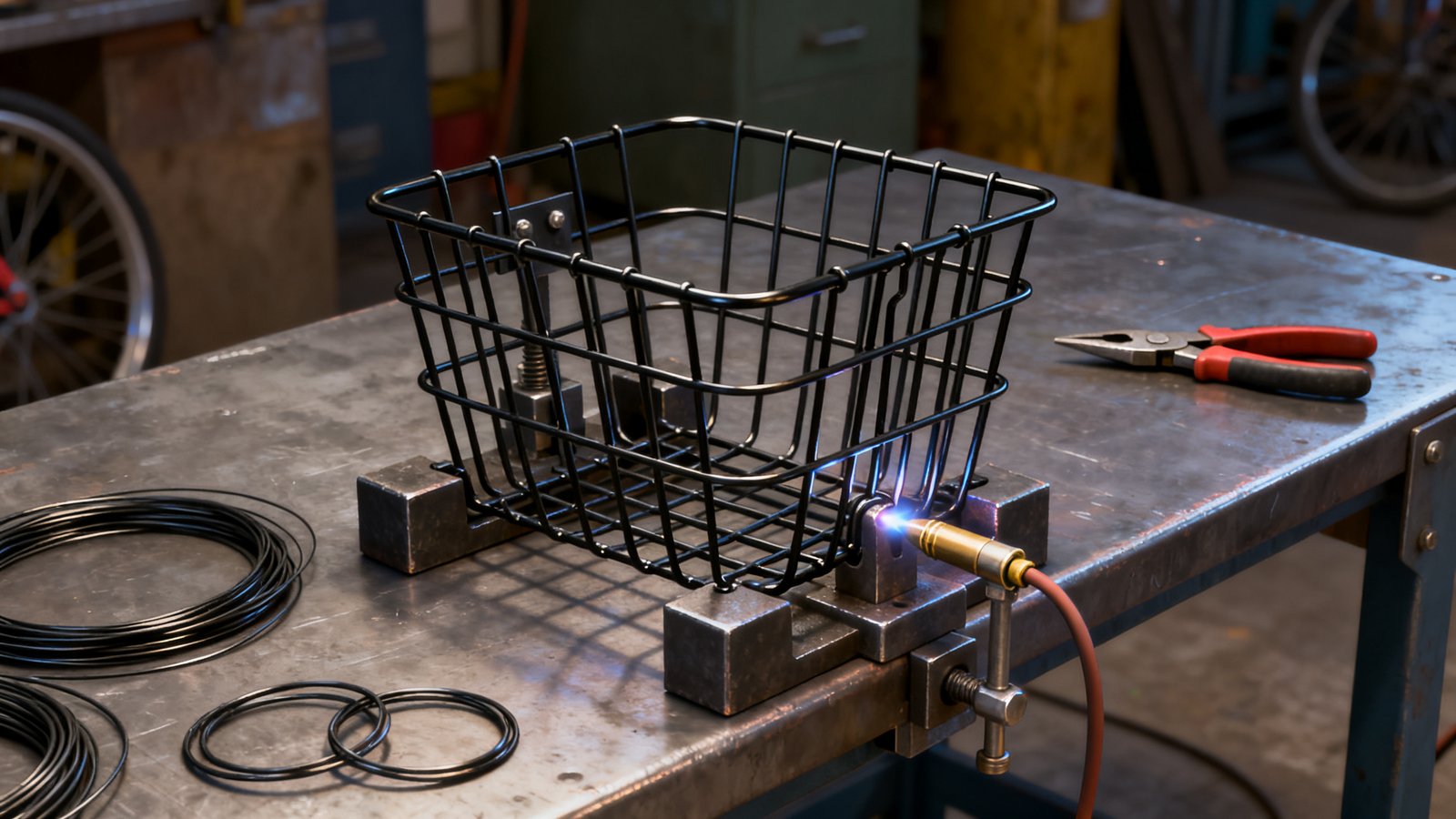
Figure 7: A wire basket cage held square in a welding fixture, the control that keeps every batch identical.
Fit, Symmetry, and Wire Spacing
Symmetry is the visible quality characteristic of bike basket manufacturing. Rings that are evenly spaced and a rim that sits level are what a customer checks in the shop, and both come from the fixture rather than from an inspector.
The measurable checks are the outer dimensions, the base board fit, the bracket hole positions and the wire spacing at several points around the cage. Those features belong on the first article inspection report, with dimensions taken using the practice published by NIST, and the thread and fastener standards for the mounting screws are covered by ANSI.
Mounting Interface and Assembly Direction
The mounting interface is where a bike basket manufacturing programme most often fails in the field. A bracket hole that is a millimetre out will still bolt on, but it will pull the basket out of line, and the customer will see a crooked basket rather than a drilling error.
Assembly direction is the other recurring issue. Some brackets have an offset that only works one way round, and packing them reversed turns a five-minute fitting job into a support email. The check is simple and belongs in the packing standard: a printed note in the box, and a sample build from the packed kit rather than from loose components, so that the kit in the carton is proven to assemble.
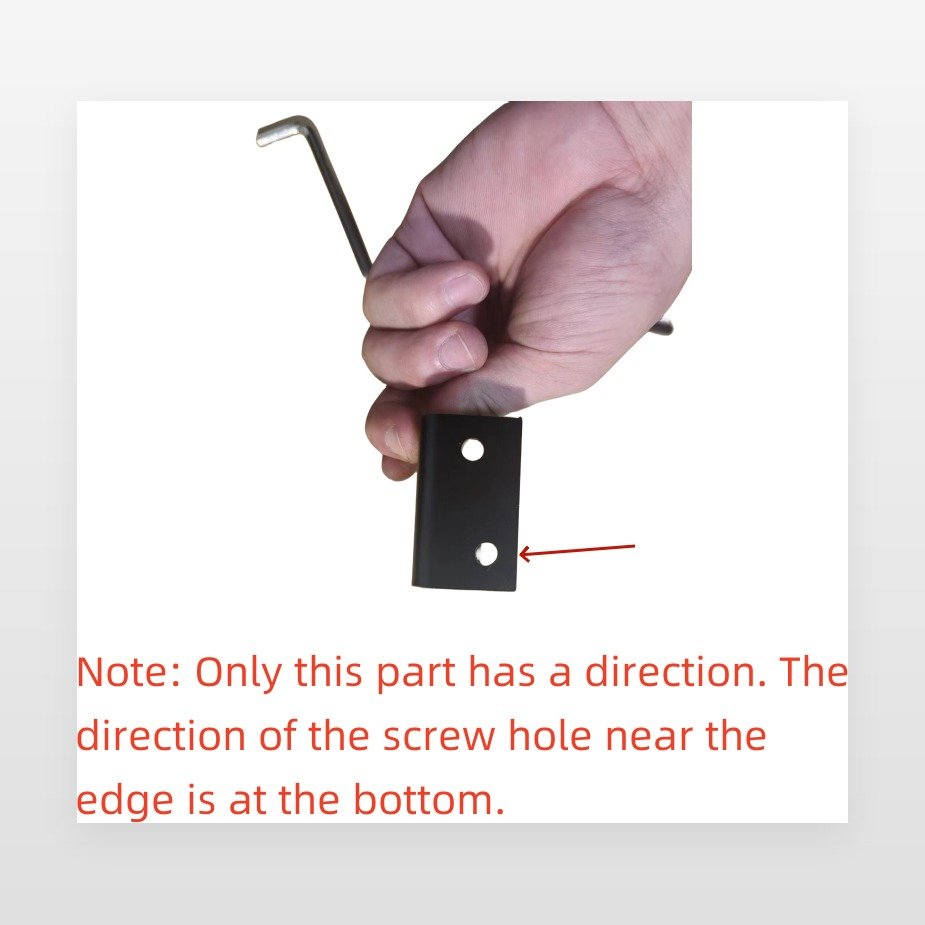
Figure 8: A directional bracket, the part that has to be packed the right way up for the customer to fit it.
Lead Times, Files, and Order Flow
What You Send Us
To quote a bike basket manufacturing programme we need the position on the bicycle, the fork or carrier it mounts to, the load it has to carry, the colour and finish, and the volume. A photograph of the bicycle with the mounting point visible is often more useful than a general drawing.
Where the design is fixed, a STEP model or a dimensioned 2D drawing works well, with the bracket interface called out separately because that is the part that must match the bike. For a detachable basket, send the plate standard the rider already uses, or a sample of the existing mount, and we will match it rather than invent a new interface.
Batch Volumes, MOQ, and Realistic Pricing
Bike basket manufacturing produces a small to mid-size item. Realistic production runs from 200 to 800 pieces per batch over three to five releases a year, with a minimum order around 100 pieces and FOB prices typically between $9 and $30 each depending on the wire diameter, the finish and how much of the mounting kit is included.
Within that band the cage itself is cheap; the cost sits in the bracket, the base board, the kitting and the packing. A plain painted basket with a simple folded bracket sits at the bottom, while a fleet basket with heavier wire, a welded bracket assembly and a full fitting kit sits at the top. First batches ship 15 to 25 days after drawing and sample approval.
Assembly, Kitting, and Documents
XHX Metal runs bike basket manufacturing from wire forming: the cage is welded, the bracket and base board parts are made, deburred and finished, and the basket is packed as a complete kit. Coating is carried out by audited partners, with pre-treatment and film thickness recorded against the batch, and the wider product scope is listed on the product range page.
An order is supported by the approved drawing with its revision number, material certificates, a first article inspection report, coating records, batch inspection records, and a packing list. Buyers who need third-party verification of the kind offered by UL should agree the scope at quotation. For a kitted product the packing list is the document that matters most in day-to-day use, because it is what proves that a carton contained every part.
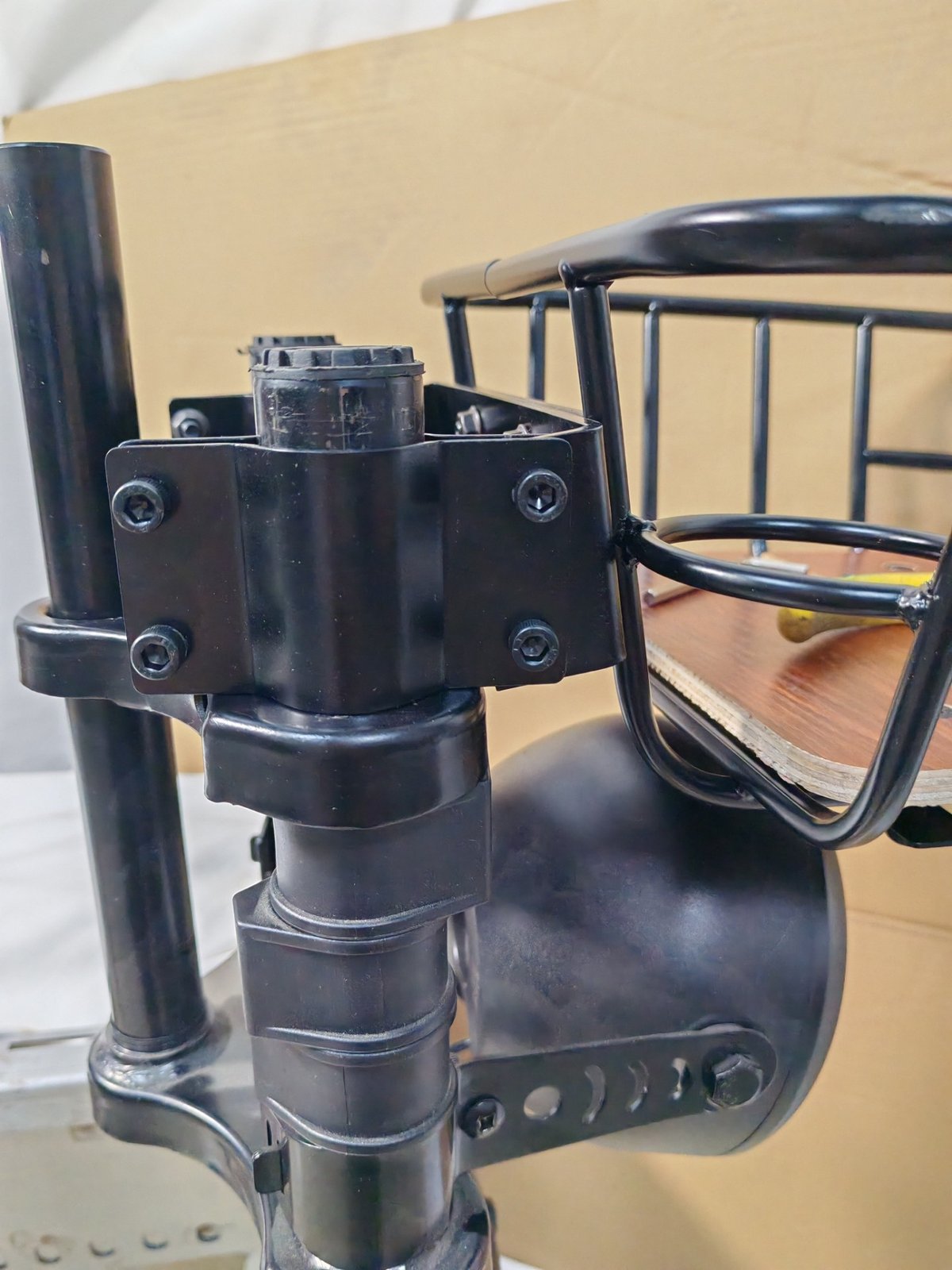
Figure 9: A complete basket kit laid out: cage, base board, brackets, clamps and the screw pack.
Case Studies: Bike Basket Programmes
Case 1: European Bike Brand — Front Basket with Mounting Kit
A European bicycle brand needed a bike basket manufacturing programme for a city model, in the same colour as the frame, supplied with a bracket that matched the fork crown already in production.
The cage was formed from 3.5 mm steel wire with a welded rim and base frame, powder coated to the brand colour, and kitted with a folded bracket, clamps and a matched screw set. The brackets were checked against a sample fork crown before the batch ran, so the first delivery went straight to the line. Production ran at 500 pieces per batch, four releases a year, with an MOQ of 100 and FOB prices from $9 to $18. The first batch shipped 20 days after approval, and annual value was approximately $27,000.
Case 2: Accessory Distributor — Retail-Ready Pack
An accessory distributor needed the same bike basket manufacturing output as a shelf-ready product for retail, with a printed carton, a barcode label area and a fitting leaflet inside every box.
The programme used a 3.5 mm wire cage with a slatted base board, packed with the bracket and screw pack in a sealed bag and a template for the clamp position. A packed sample was assembled from the kit before release, which is how a missing-washer problem was caught at the factory rather than in a shop. Production ran at 400 pieces per batch, five releases a year, with an MOQ of 100 and FOB prices from $11 to $22. The first batch shipped 22 days after approval, and annual value was approximately $33,000.
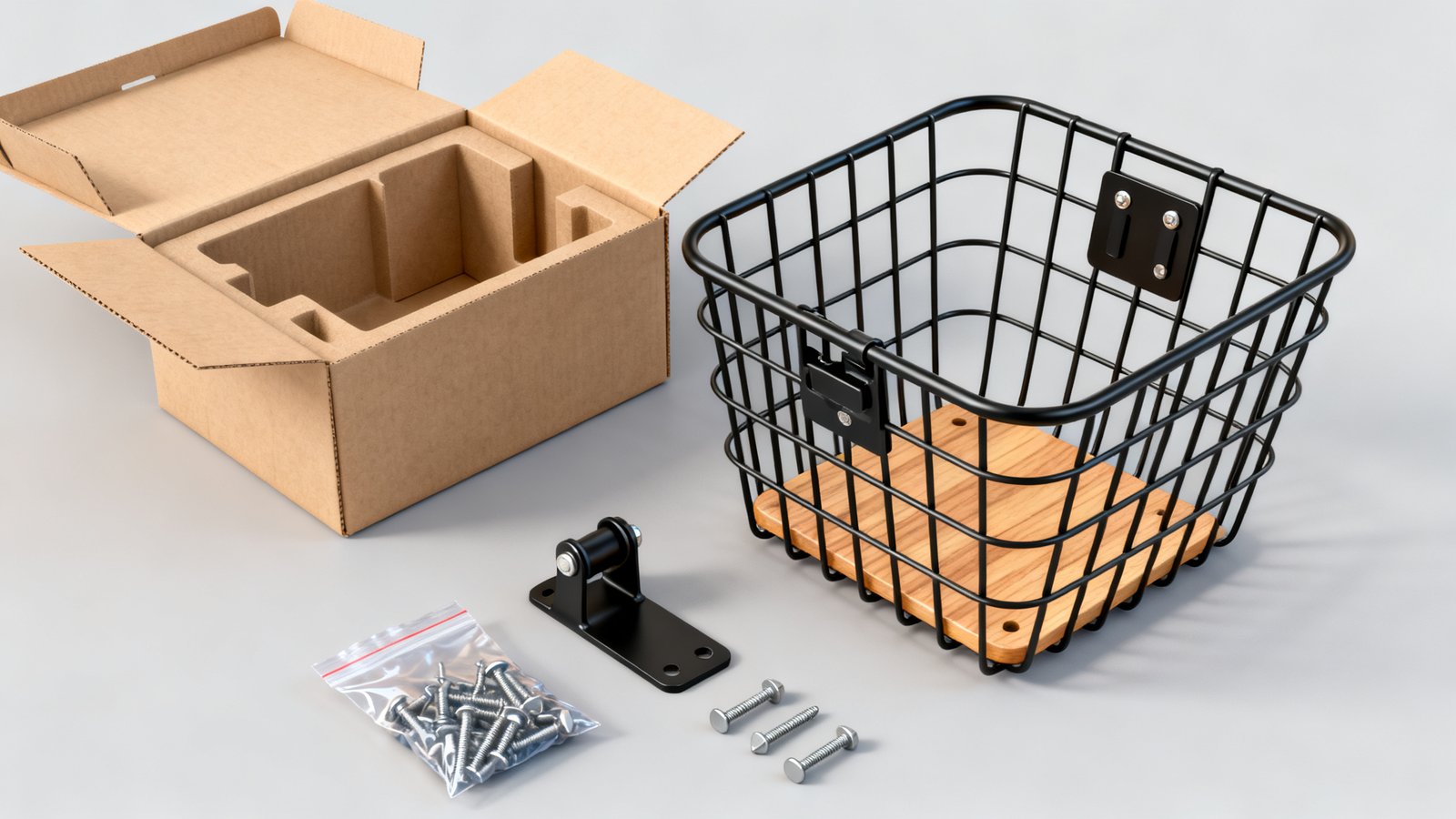
Figure 10: A retail-ready bike basket pack: cage, base board, bracket set and screw pack with moulded inserts.
Case 3: Fleet Operator — Heavier Basket and Bracket
A bike fleet operator needed a bike basket manufacturing programme for a basket that would survive public use, with a welded bracket assembly rather than a folded plate and a thicker base to take loads being pressed down.
The basket was built from 5.0 mm wire with a welded tube bracket and a two-part base, finished in a textured black powder coat. The welded bracket was proof loaded before approval. Production ran at 200 pieces per batch, three releases a year, with an MOQ of 50 and FOB prices from $16 to $30. The first batch shipped 24 days after approval, and annual value was approximately $15,000.
Summary and Next Steps
How to Choose a Bike Basket Supplier
The supplier that fits this product forms and welds the cage, makes the bracket and base board, finishes them, and packs a kit that assembles straight out of the carton. Ask for a first article report that records the bracket hole positions and a packed sample built from the kit rather than from loose parts.
Check that the quotation states the wire diameter, the material, the coating system, the bracket type and the contents of the kit. Match the supplier to the batch size as well: a bike basket manufacturing programme usually runs in the hundreds per release.
Why XHX Metal
XHX Metal provides bike basket manufacturing from drawing to delivered parts: wire forming and welding, laser cutting to plus or minus 0.01 mm for the bracket and base parts, CNC bending, deburring, powder coating through audited partners, and kitting with export packing.
The company has manufactured metal products for export customers from Dongguan since 2014, and holds ISO 9001:2015 certification with CE documentation and SGS records. Product safety expectations for bicycles are set out by the US Consumer Product Safety Commission and through the standards published by CEN-CENELEC. Samples in 5 to 10 working days and first batches in 15 to 25 days are normal work.
How to Start Your Programme
Send the mounting position, the bicycle or carrier it fits, the load, the colour and finish, and the annual volume. We will propose a cage size and bracket design, issue a drawing, and build a sample kit for approval.
Programmes are handled directly through the contact page.
FAQ: Bike Basket Manufacturing
Do you supply the basket on its own or with the mounting kit? Both. Most buyers take the full kit, because a basket that arrives with the bracket, clamps and screws can be sold as a product rather than a part.
Can you match a mounting standard we already use? Yes. Send a sample of the existing bracket or the plate standard, and we will match the interface rather than design a new one.
What is the minimum order? MOQ is typically 100 pieces, with batches released three to five times a year.
Which wire diameter should we choose? Around 3.5 mm suits city and commuter baskets, and 5.0 mm suits fleet and cargo use where the base is pressed down on.
How long does a sample take? A sample follows in 5 to 10 working days after drawing approval, and the first batch ships 15 to 25 days after sample approval.