Last updated: October 27, 2026 | By XHX Metal Engineering Team
A luggage cart is a wheeled steel or aluminium trolley used to move passenger baggage and hotel luggage: a tube frame carrying a mesh basket and a lower deck, running on four casters, with a handle at pushing height. At XHX Metal, luggage cart manufacturing covers tube bending, mesh welding, frame assembly, polishing and chrome plating or powder coating, and caster fitting in a 2,000 sqm factory in Dongguan, China.
This article is written for the buyers and facility managers who specify that cart: what a luggage cart is made of, where it is used, how tube, mesh and casters are chosen, what actually goes wrong on a welded frame, how long a programme takes, what documents arrive with it, and three order examples with volumes and price bands.
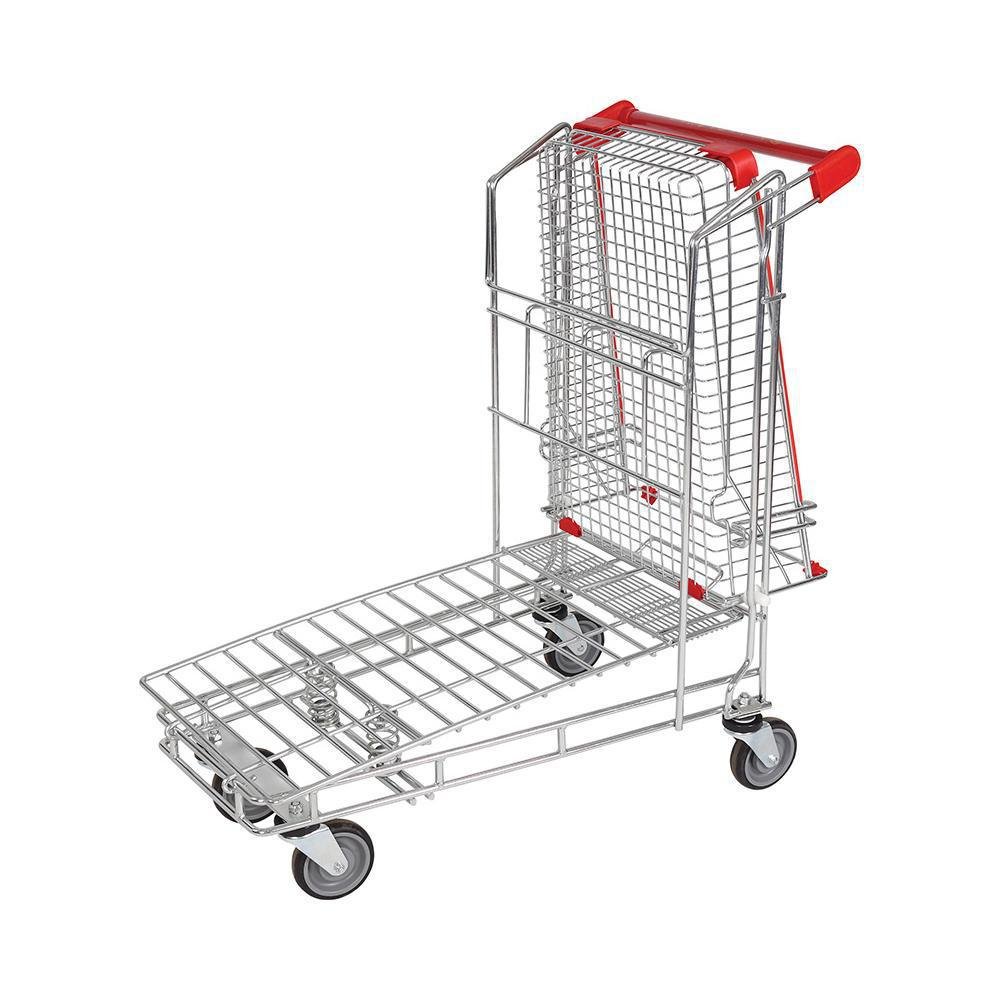
Figure 1: An airport luggage cart: chrome tube frame, upper mesh basket, red handle and four casters.
Luggage Cart Manufacturing: What We Build
The Parts in a Cart Order
A typical order for a luggage cart contains a bent tube frame, an upper mesh basket, an upper mesh basket, a lower deck in mesh or solid sheet, a handle with a grip, four casters, caster mounting plates or reinforced tube ends, and a nesting bumper at the front so carts can be pushed into each other for storage. The frame is the structure; the basket and deck carry the load; the casters and the nesting geometry decide how the fleet behaves in service.
That split matters because each part fails differently. A frame that is not square wanders when pushed, a basket that is not flat looks cheap, and a caster chosen on price fails first in a terminal with expansion joints and carpet transitions.
Tube, Mesh and the Welded Joint
The structural material is round steel tube, usually 19 mm to 25 mm outside diameter with a 1.2 mm to 1.5 mm wall, bent on a mandrel bender so the bend does not flatten or wrinkle. Welded steel tube dimensions and tolerances are set in EN 10305-3. The basket is welded wire mesh, typically 4 mm to 6 mm wire on a 50 mm to 100 mm grid, framed in a small tube or flat bar.
The joint between tube and mesh is where the cart is made or lost. A welded mesh basket distorts as it cools, and a basket welded to a frame that is already finished cannot be straightened. The order that works is to weld the basket on a flat fixture first, let it cool, check it for flatness, and only then weld it into the frame.
Where Our Scope Ends
The casters and grips are bought-in components. We specify and fit them, reinforce the mounting points for the load they carry, and test the assembly, but the caster itself is a purchased part chosen to the customer’s floor conditions. What we own is the tube geometry, the weld quality, the flatness of the basket and deck, and the finish.
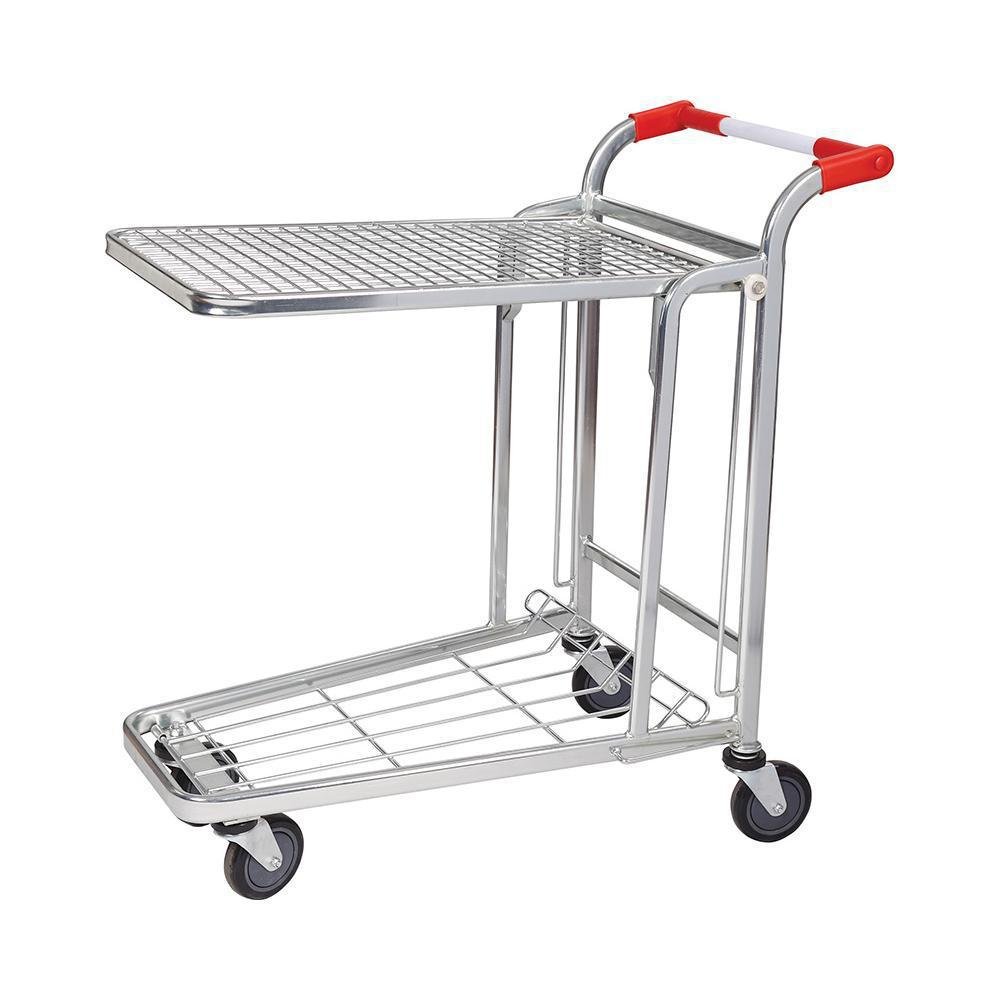
Figure 2: A hotel luggage cart variant with a solid lower deck and a chrome tube frame.
Where Luggage Carts Are Used
Airports, Stations and Transit Hubs
The largest group is airport and rail terminal baggage carts: a deep lower deck for suitcases, a small upper basket for hand luggage, a wide handle and four casters with at least two braked. These carts live outdoors part of the time, get pushed over kerbs and expansion joints, and are nested by the hundred in a reclaim hall.
This group is hard on hardware. A caster that is fine in a hotel lobby will fail in a terminal within a year, and the failure mode is usually the swivel bearing rather than the wheel. Caster requirements for furniture and institutional equipment are standardised in EN 12527. Airport carts also have to survive being pushed by people who do not own them, which means the handle, the bumper and the basket edge take impacts that a hotel cart never sees.
Hotels, Resorts and Serviced Apartments
The second group is hotel bell carts: a solid lower deck, often carpeted, a taller frame with a hanging rail for garment bags, and a polished chrome or brass finish that has to look good in a lobby. Loads are lighter than at an airport but the cart is on show, so the polishing and the plating matter more than the wall thickness. A hotel buyer will also want brass or gold accents on the handle, which means a separate plating bath and a second quality gate. Loads are lighter but appearance standards are much higher, and a cart with a visible buff mark on the tube is rejected.
Warehouses, Retail and Institutional Use
The third group moves goods rather than luggage: warehouse order-picking carts, retail restocking trolleys, hospital and care-home transport carts, and laundry carts. These favour a flat deck and a simple frame, and they are usually powder coated rather than chrome plated because the finish has to survive a working environment rather than a lobby. A laundry cart also needs a mesh or perforated deck so water drains, which changes the basket design completely.
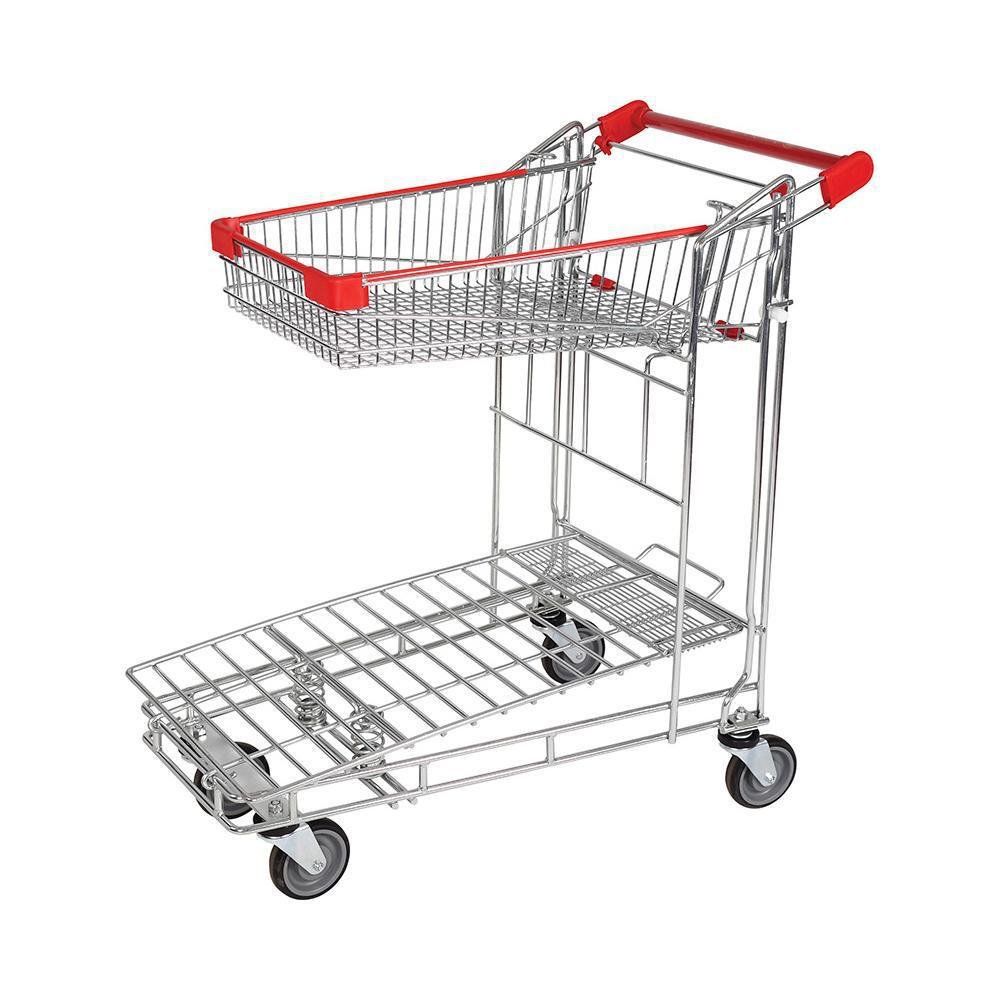
Figure 3: Carts nested nose to tail in a storeroom, the nesting geometry that decides fleet density.
Choosing Tube, Mesh, Finish and Casters
Tube Diameter, Wall and Material
What are the main quality risks in luggage cart manufacturing? The first is tube chosen by diameter alone. A 22 mm tube with a 1.0 mm wall looks identical to the same tube at 1.5 mm and bends far more under load, so the wall must be specified and checked.
Steel tube is the default for a luggage cart: stiff, cheap, welds well and takes chrome. Mechanical properties of the tube grades are listed in EN 10219.
Mesh Specification
The basket mesh on a luggage cart is specified by wire diameter and pitch, and by the weld schedule at every intersection of the grid. A 4 mm wire on a 50 mm grid is light and open; a 6 mm wire on a 100 mm grid is stiffer but lets small items through. Reference for wire properties: ISO 6935-3. For airport carts the practical choice is 5 mm to 6 mm wire on a 50 mm to 75 mm grid, with the edge wire heavier than the infill so the basket keeps its shape.
Finish: Chrome, Powder Coat or Anodise
Chrome plating is the traditional finish for a luggage cart used by airline and rail passengers: it is hard, it cleans easily, and it reads as a quality product. Decorative chromium coatings are specified by thickness and adhesion in ISO 1456. Chrome shows every defect in the steel underneath, so the tube has to be polished before plating. Powder coating is cheaper and hides weld dressing, which suits warehouse carts.
Caster Selection
Casters are where a luggage cart is really specified, and where most of the cost difference between two luggage cart quotes sits. The load rating has to cover the cart plus baggage with a margin, the wheel has to suit the floor, and the arrangement matters: two fixed and two swivel steers predictably, four swivel manoeuvres tightly but wanders on a long push. Brakes are needed on at least two wheels for a passenger cart, and the mounting plate has to be reinforced because a caster bolted to a thin tube wall crushes the tube the first time it hits a kerb.
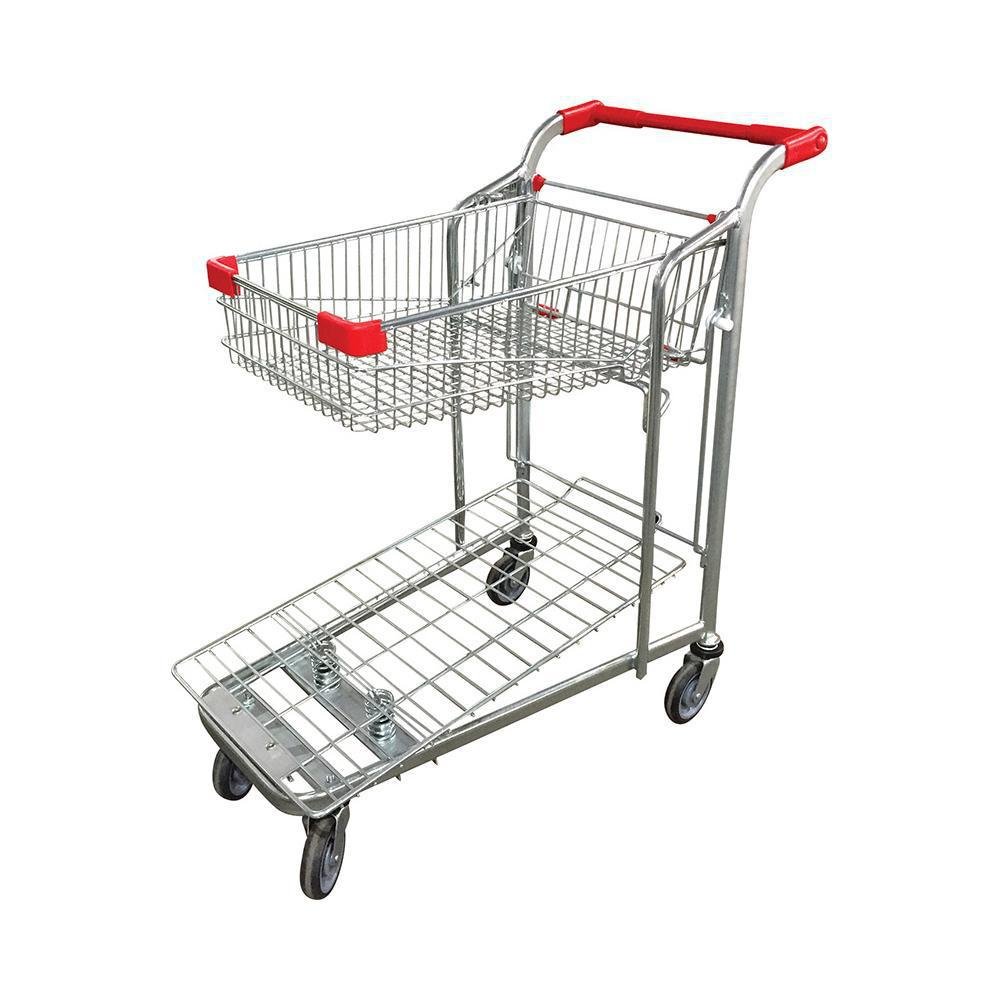
Figure 4: A production run of luggage carts lined up for inspection before packing.
Welding, Distortion and Finishing
Why the Frame Distorts
The tube frame of a luggage cart is a closed loop welded at the corners, and every weld shrinks as it cools. Without a fixture the loop pulls out of square: the cart tracks to one side, which the passenger notices and which no caster adjustment can fix.
The control for a luggage cart frame is a welding fixture that holds it on its datums while the corners are tacked, then completes the welds in a balanced sequence so the shrinkage is symmetrical. The frame is checked for square across the diagonals before it leaves the fixture, and again after the basket goes in. A frame that measures square but has one corner welded hotter than the others will still pull as it cools overnight, so the check is repeated after the frame has cooled rather than straight off the jig.
Basket Flatness and Weld Appearance
A wire mesh basket distorts worse than a tube frame because the wire is thin and the welds are close. Welding the grid on a flat fixture with copper backing holds it flat; welding it freehand produces a basket that rocks on the frame. The edge wire is heavier than the infill for this reason. Hot dip galvanising of the welded assembly, where specified, follows ISO 1461.
Weld appearance matters as much as strength on a visible product. Every intersection is welded, then the frame joints are dressed. Weld quality levels for steel structures are described in ISO 5817. On a chrome cart the dressing has to be complete, because plating magnifies a scratch and a half-dressed weld will show as a dark line through the chrome.
Polishing before Plating
Chrome plating is a mirror over the steel, so the steel has to be a mirror first. The sequence is grind the weld, blend the scratch pattern, polish through successively finer grades, then send the part to the plater. Buff marks that run across the tube instead of along it survive plating and are the most common cosmetic rejection on a passenger cart. Surface preparation grades before coating are described in ISO 8501-1.
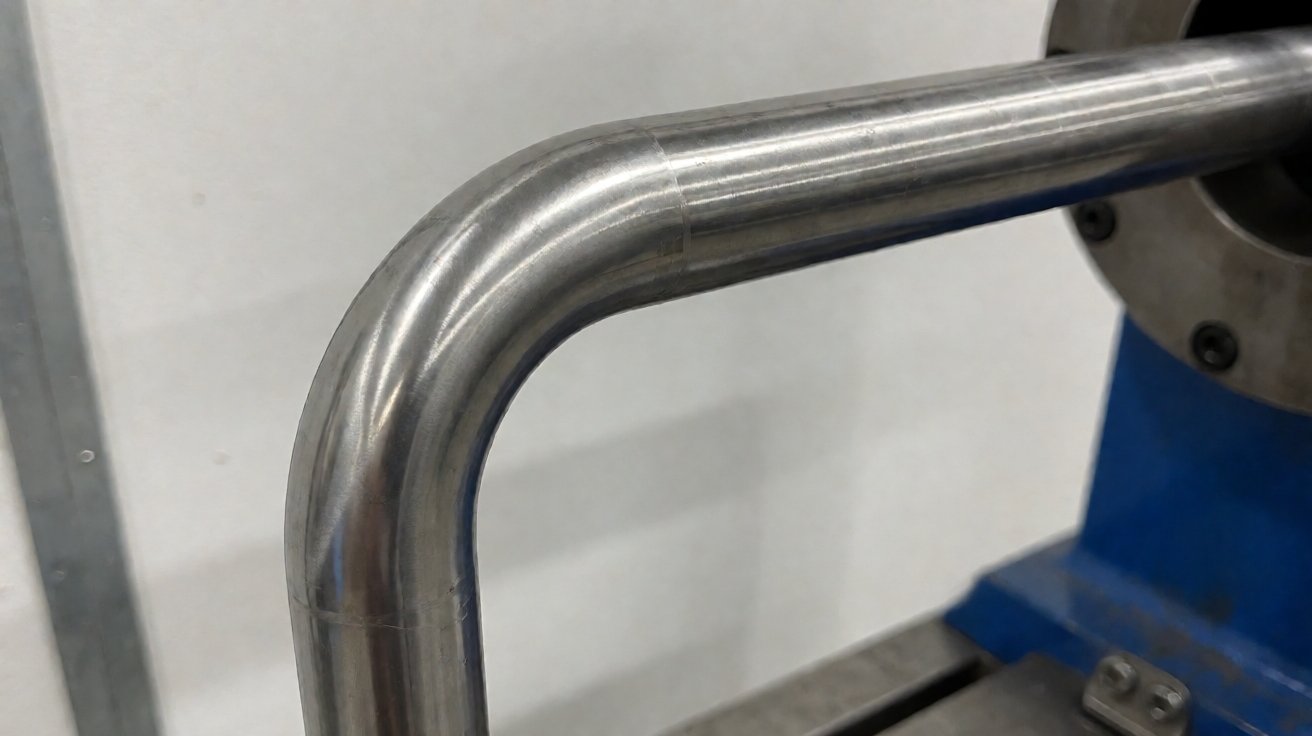
Figure 5: A steel tube bent through a large radius on a mandrel bender, the bend free of flattening.
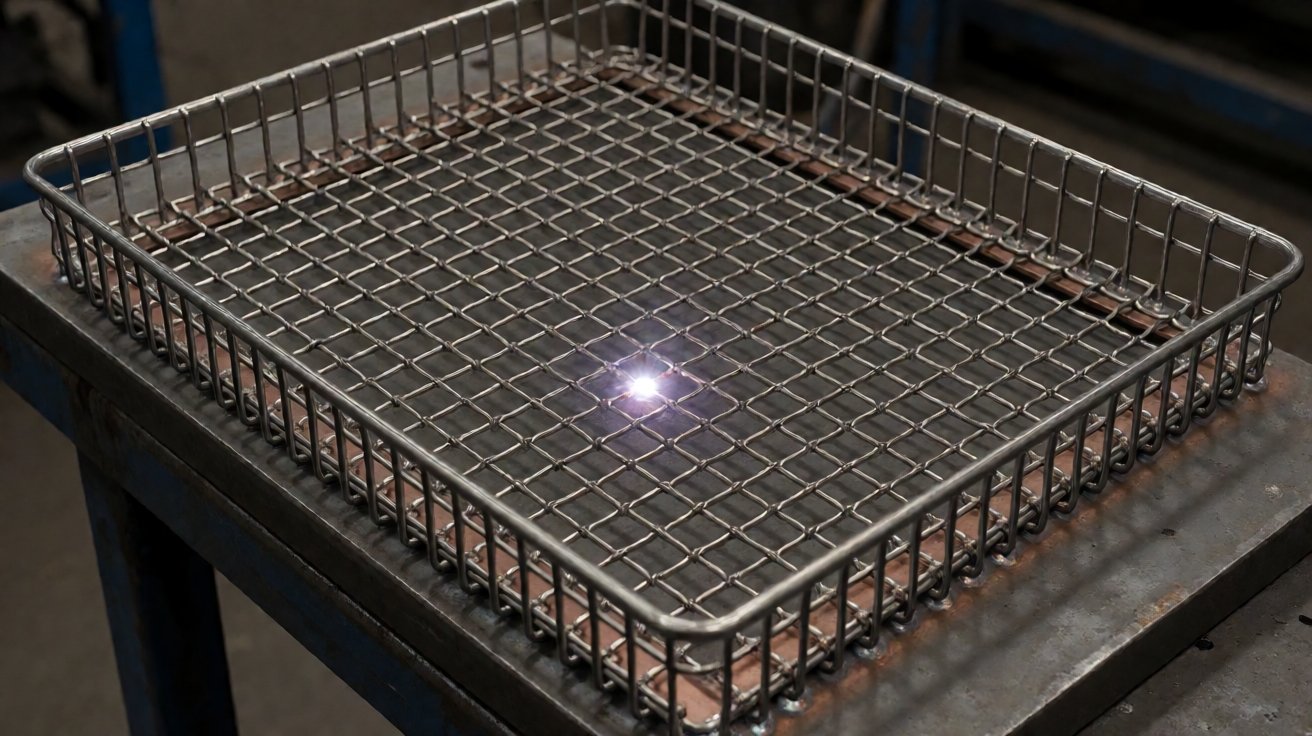
Figure 6: A mesh basket welded on a fixture, the wire grid held flat while the frame is tacked.
Nesting, Load Testing and Lead Time
Nesting Geometry
Airport luggage carts are stored by pushing them nose to tail into one another, and the nesting geometry is a design feature, not an accident. The front of the cart has to pass under the deck of the one ahead without the baskets colliding, and the nested length decides how many carts fit in a reclaim hall. Get it wrong and the operator ends up with half the fleet density they planned for.
Nesting also loads the frame in a way that pushing does not, because the carts bear on each other through the bumpers. The front bumper and the frame node behind it have to be sized for that repeated contact, and a bumper that is only rubber on a thin tube will deform the tube after a few hundred nestings.
Load and Durability Testing
A luggage cart is tested against the load it will actually see in service, not against a nominal figure. Load and stability testing for industrial trucks follows the principles in EN 1757-3. We load the deck to the rated capacity with a distributed weight, push the cart over a threshold strip and a carpet edge, and check that the frame does not deflect permanently and the casters stay in contact. The basket is loaded separately because it carries hand luggage rather than suitcases.
Where a customer has a fatigue requirement, the cart is run through a repeated push cycle with the rated load and inspected for weld cracking at the frame nodes, which is where a cheap cart fails first. The caster mounting plate is the other place worth inspecting, because a plate that is welded rather than bolted into a reinforced tube end will crack at the weld toe.
Batch Sizes and Price Bands
Luggage carts of this kind are a medium-volume product with a high unit value, and the programme is usually driven by a fleet replacement rather than by a new build. Airport programmes run 50 to 250 carts per release, hotels buy 10 to 40, and a fleet replacement is often a single large order. FOB prices for a chrome plated steel passenger cart typically fall between USD 85 and USD 190 depending on tube gauge, mesh density, caster grade and finish, with a minimum order around 50 pieces for a chrome programme.
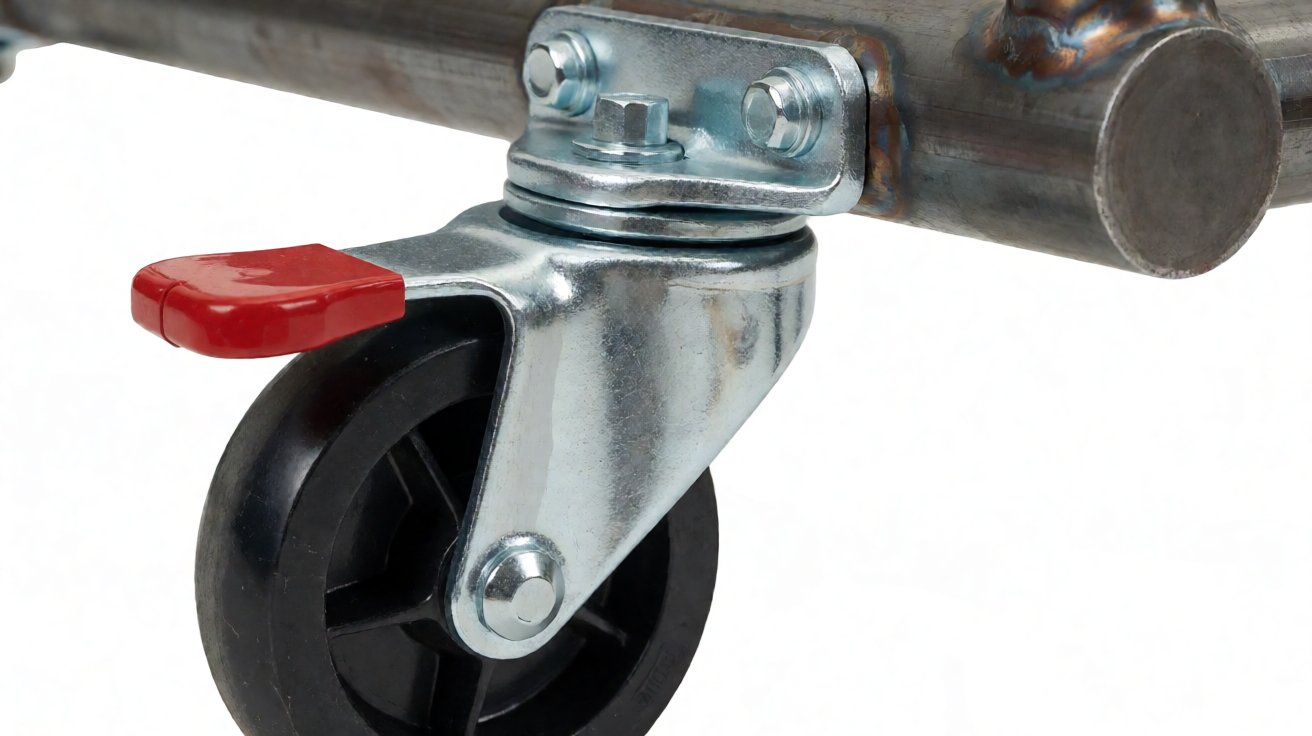
Figure 7: A swivel caster with a brake, bolted to a reinforced tube end plate.
Three Luggage Cart Programmes
An Airport Fleet Cart for a Middle East Operator
An airport operator needed 400 passenger carts for a new terminal: a deep lower deck for two large suitcases, a small upper basket, four casters with two braked, a chrome finish and a nesting bumper rated for daily fleet handling in 45 C heat.
We produced the luggage cart with a 25 mm x 1.5 mm tube frame welded in a fixture, a 6 mm wire deck on a 50 mm grid, polished and chrome plated, and casters rated well above the loaded weight with reinforced mounting plates. Releases ran at 200 carts, twice a year, with an MOQ of 50 and FOB prices from USD 130 to USD 172. The first batch shipped 30 days after approval and annual value was approximately USD 30,000.
A Hotel Bell Cart for a European Group
A hotel group needed bell carts for twelve properties: a solid carpeted lower deck, a tall frame with a garment rail, polished chrome with brass accents on the handle, and a finish standard that would pass a lobby inspection.
The luggage cart was built on a 22 mm tube frame with a sheet deck and a removable carpet insert, polished through three grades before plating, and inspected for buff marks under raking light. Releases ran at 40 carts, once or twice a year, with an MOQ of 15 and FOB prices from USD 145 to USD 190. The first batch shipped 28 days after approval and annual value was approximately USD 8,000.
A Warehouse Restocking Cart for a US Retailer
A retailer needed restocking carts for a distribution centre: a flat mesh deck, a simple push handle, powder coated finish, and casters suited to a sealed concrete floor with drainage channels.
We supplied the luggage cart in 19 mm tube with a powder coated finish rather than chrome, a flat deck without an upper basket, and larger casters for the floor conditions. Releases ran at 150 carts, twice a year, with an MOQ of 50 and FOB prices from USD 62 to USD 88. The first batch shipped 24 days after approval and annual value was approximately USD 11,000.
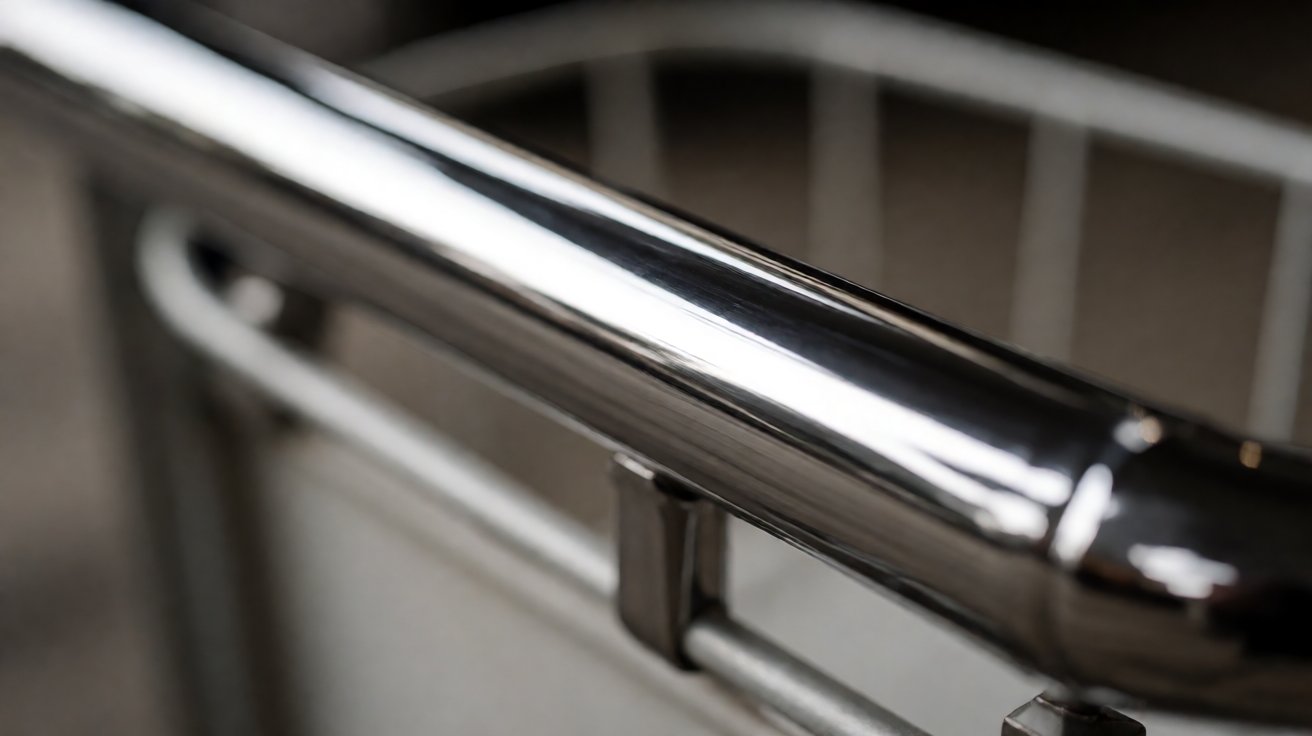
Figure 8: A loaded luggage cart under a test weight, checking deflection and caster behaviour.
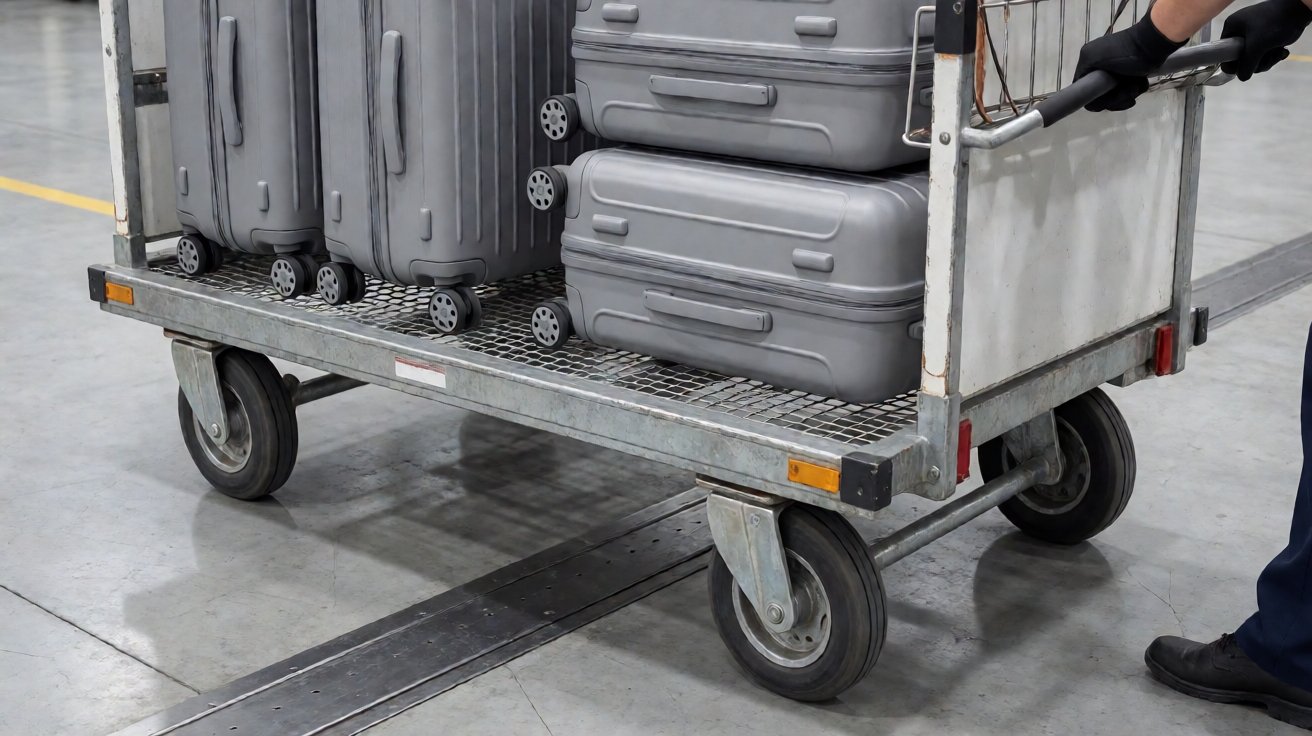
Figure 9: A chrome plated frame after polishing, the surface mirror bright and free of buff marks.
Choosing a Luggage Cart Supplier
What to Ask at Quotation
Ask five things before comparing prices for a luggage cart. What is the tube diameter and the measured wall thickness? Is the mesh basket welded on a flat fixture, and is it checked for flatness before it goes into the frame? Is the frame squared in a fixture, and checked across the diagonals? What is the caster load rating against the rated cart capacity? And on a chrome cart, how many polishing grades before plating?
The answers separate suppliers quickly. A quote that names the tube wall, the mesh wire, the caster rating and the polishing sequence is comparable; a quote that lists an overall size and a price is not, because two carts that look identical in a photo can differ by half the wall thickness and a caster grade.
Where Suppliers Fail
Failures in luggage cart supply cluster in the same places. The cart tracks to one side because the frame was welded without a fixture. The basket rocks because it was welded freehand and never checked flat. A caster tears out of the tube because the mounting point was not reinforced. The chrome shows a dark line along a weld because the dressing stopped short. And buff marks run across the tube because the polishing direction was never controlled.
None of these are exotic. They are the predictable result of buying a luggage cart on overall dimensions and a photo, and they are avoided by specifying the wall, the fixture discipline and the polishing sequence.
How XHX Metal Works
XHX Metal has manufactured metal products for export customers from Dongguan since 2014, in a 2,000 sqm factory with about 30 staff. The capability list covers tube bending, wire mesh welding, TIG and MIG welding, polishing, powder coating and chrome plating through audited partners, and caster assembly, all under ISO 9001:2015 with CE documentation and SGS records. Dimensional inspection practice follows ISO 14253-1.
For a luggage cart programme, samples follow in 5 to 10 working days and first batches in 20 to 30 days. Send a drawing or a sample with the load, the floor conditions, the nesting requirement and the finish through the contact page; related work is described on the metal tube fabrication page and the sheet metal welding page, and enquiries also reach sales01@xinghaoxin.com.
Frequently Asked Questions
What is a luggage cart?
It is a wheeled trolley for moving passenger baggage or hotel luggage: a bent tube frame carrying an upper mesh basket and a lower deck, running on four casters, with a push handle and usually a nesting bumper at the front.
Steel or aluminium for a luggage cart frame?
Steel tube is the default: it is stiff, welds well and takes chrome plating. Aluminium is chosen where weight matters because staff lift and nest carts all day, but it cannot be chrome plated to a mirror finish and is usually anodised or powder coated.
Why does my luggage cart pull to one side?
Almost always because the frame was welded without a fixture and the loop pulled out of square as it cooled. A caster adjustment cannot correct it; the frame has to be welded on its datums and checked across the diagonals before assembly.
How many casters should be braked?
At least two on a passenger cart, conventionally the rear pair, so the cart can be parked on a slope without rolling. Four swivel casters manoeuvre tightly but wander on a long straight push; two fixed and two swivel steers more predictably.
What load can a luggage cart carry?
A typical airport passenger cart is rated 100 kg to 200 kg, with the caster rating chosen well above that to survive kerbs and thresholds. The deck and the frame nodes, not the tube span, are usually the limiting parts.
How long does luggage cart manufacturing take?
Samples follow in 5 to 10 working days after drawing approval. First production batches ship in 20 to 30 days depending on the plating and caster supply.