Last updated: October 24, 2026 | By XHX Metal Engineering Team
A key cabinet is a wall-mounted steel box that stores keys on numbered hooks behind a lockable door, so that a building, a fleet or a maintenance department can track who holds which key. At XHX Metal, key cabinet manufacturing covers laser cutting, CNC bending, spot welding, powder coating and screen printing in a 2,000 sqm factory in Dongguan, China, with two 6 kW fiber laser cutting machines.
This article is written for the buyers and facility managers who specify that cabinet: what a key cabinet is made of, where it is used, how capacity and size are chosen, what actually goes wrong on a small lockable box, how long a programme takes, what documents arrive with it, and three order examples with volumes and price bands.
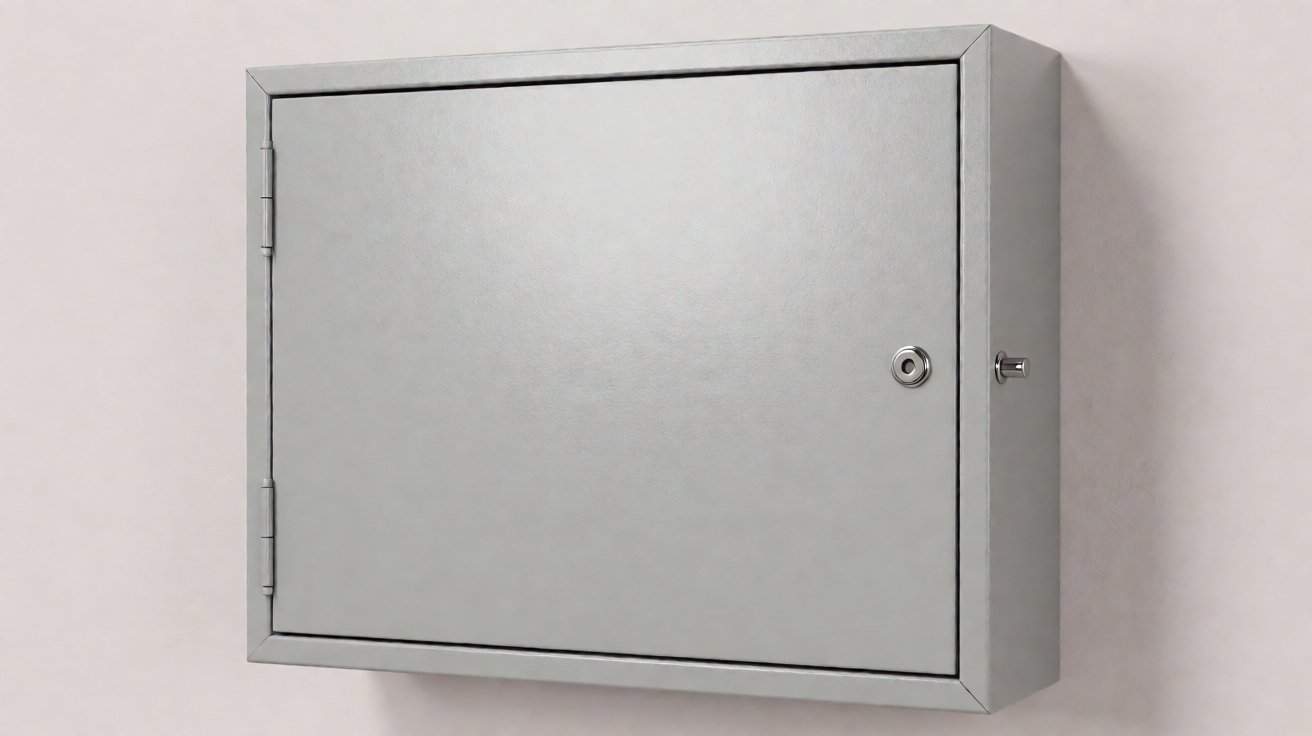
Figure 1: A finished wall-mounted key cabinet, door closed, powder coated and screen printed.
Key Cabinet Manufacturing: What We Build
The Parts in a Cabinet Order
A typical key cabinet order contains a body, a door, a back panel carrying the hook rows, a lock and its strike, a hinge pair, key tags, and a numbering chart printed inside the door. The body is a five-sided folded shell with a spot welded back, and the door is a separate folded tray that closes over it.
That construction is deliberate. A key cabinet is a small box, and a small box distorts easily if it is welded all round: the heat pulls the opening out of square, the door no longer sits flat, and the lock stops lining up. Spot welding the back and folding the rest keeps the shell square without heat along the door opening, and it is also faster, which matters on a product that sells for a few dollars a unit. Sheet metal folding practice and minimum bend geometry follow the guidance published by the FMA.
Why the Hooks Decide the Product
The hooks are the functional core. Each hook is a bent wire or a small formed strip spot welded to the back panel on a regular pitch, and the pitch sets how many keys fit and how easily a tag can be read. A 20-key cabinet uses a single row; a 320-key cabinet uses rows on a much tighter pitch and a deeper body, and the difference between those two products is mostly the hook layout.
We form the hooks in-house rather than buying them, because the hook shape decides whether a key tag hangs straight and whether two keys can share one hook without obscuring the number. A hook that is too shallow lets a tag slide off when the door is shut; one that is too tall fouls the door and marks the powder coat. The pitch between hooks then sets the capacity for a given face size, and that pitch is the number a buyer should ask about.
Where Our Scope Ends
The lock is a bought-in component. Cam locks, cylinder locks and combination locks are all supplied to the customer’s security specification, and we cut the lock hole, fit the strike plate and test the action. What we own is the shell, the hooks, the door fit, the finish and the printing.
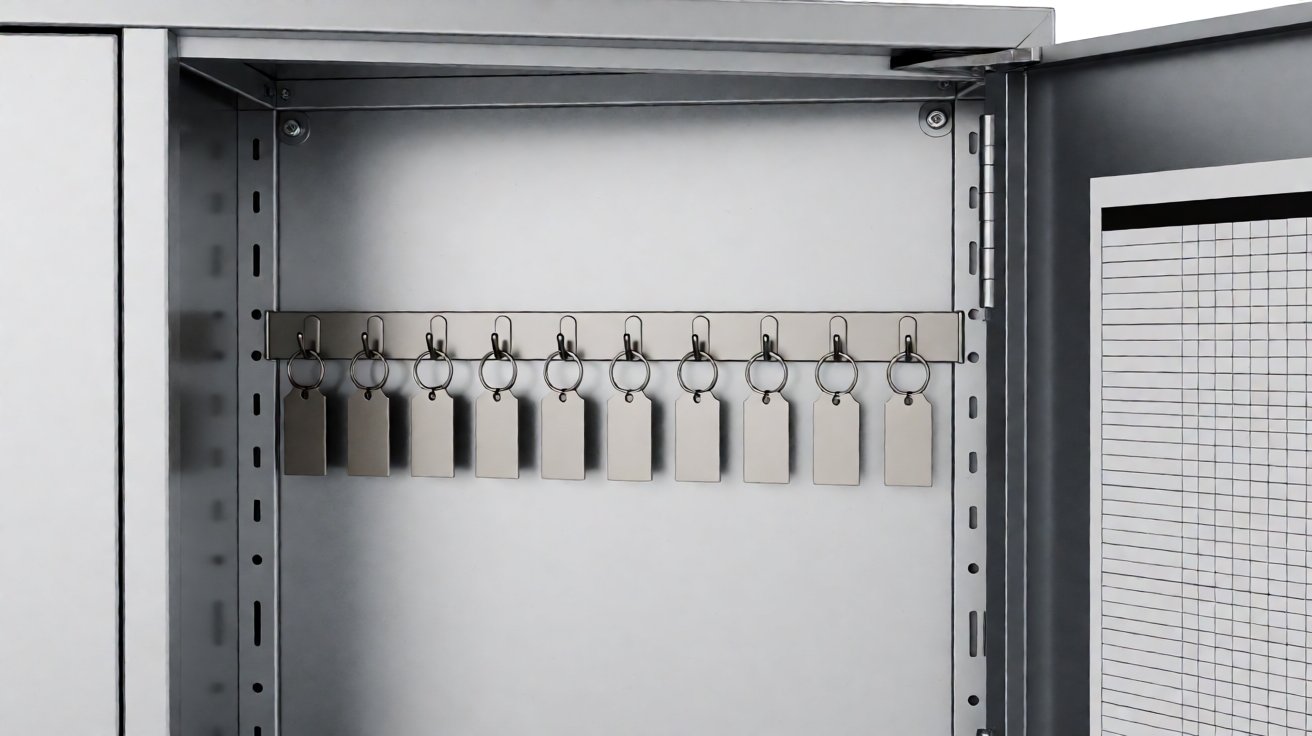
Figure 2: The same cabinet open, showing the numbered hook rows and the key tag rack.
Where Key Cabinets Are Used
Facilities and Property Management
The largest group is building management: caretakers holding master keys for a block of flats, hotels tracking room and store keys, schools managing classroom and cabinet keys, and offices recording who has signed out which key. The key cabinet usually hangs in a plant room or an office wall rather than in a public area, so the finish has to survive a service environment but not vandalism. In all of these the cabinet is a control document as much as a box, because the numbering inside it is what proves a key is accounted for.
This group usually specifies a wall-mounted cabinet with a numbered chart and supplied tags, because the audit trail matters more than the steel. The cabinet is often bought by the dozen for a property portfolio, which makes consistency of the chart across buildings as important as the unit price.
Fleet, Plant and Maintenance Departments
The second group is vehicle and plant keys: bus and truck fleets, plant hire yards, workshops and depots. These cabinets are used with dirty hands in a workshop environment, so the door has to survive being shut with a shoulder and the hooks have to hold a key ring rather than a single key. Depth matters more here than in an office, because a ring of keys and a fob need clearance behind the door, and a shallow body will not close on them.
Industrial and Laboratory Key Control
The third group controls access rather than convenience: plant rooms, switch rooms, hazardous stores and laboratory cabinets where a missing key is a safety issue. These specify a stronger lock, sometimes a hasp for a padlock, and an enclosure that cannot be prised open at the door edge. A thicker door and a return flange on the opening do more for that than a heavier body panel, because the attack is at the gap between door and frame.
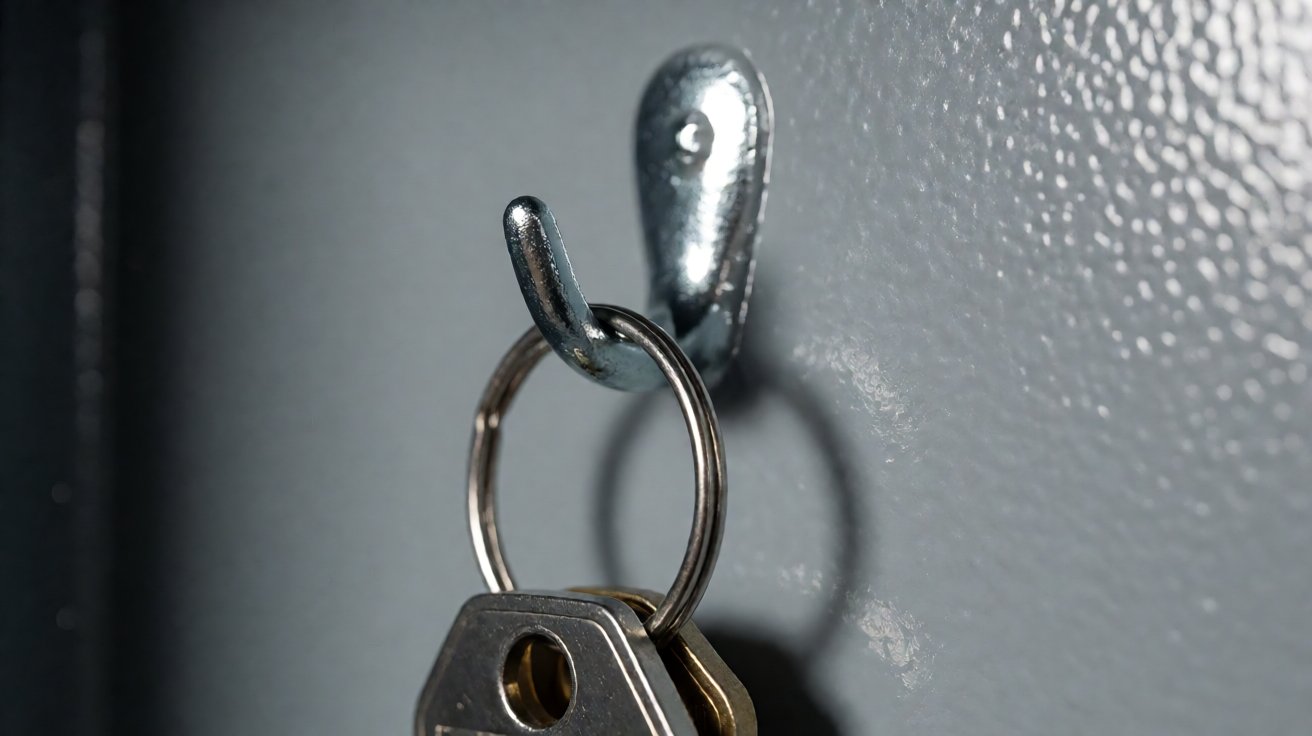
Figure 3: A key hook spot welded to the back panel, with its number printed beside it.
Choosing Capacity, Size and Material
Capacity Drives the Envelope
Capacity is the first decision, and it drives everything else. A 20-key cabinet is a small wall box; a 40 to 60 key unit is the common office size; and 80, 110, 160, 240 and 320 key cabinets scale up in both face area and depth. Depth grows because the hook rows and the tags need clearance behind the door, and a 240 or 320 key body is typically 125 mm deep against 76 to 80 mm on the smaller sizes.
The practical rule is to specify about 30 percent more capacity than the current key count, because a cabinet that is full on day one is a cabinet that will be replaced within two years. It is also worth checking the depth against the actual key rings in use: a body sized for single keys will not close on a ring with a fob, and that is a specification error the buyer discovers on the first day.
Steel Thickness and Gauges
A key cabinet is thin-gauge work. The body and door are normally 0.8 mm to 1.2 mm cold rolled or galvanised steel, and the back panel carrying the hooks is often 1.0 mm so the spot welds do not pull through. Sheet thickness tolerances for cold rolled steel are defined in EN 10131. Heavier gauge buys very little on a wall box: the stiffness comes from the folded edges and the shape, not from the sheet.
Lock, Hinge and Door Fit
The lock is where the specification concentrates. A cam lock is normal for an office; a cylinder lock is specified where keys must not be interchangeable; and a combination or digital lock removes the key that opens the key cabinet, which is always an awkward item to control. Cabinet lock grades and test methods are defined in BHMA A156.11, which is the reference a security buyer will quote. Physical security product testing more broadly is covered by ANSI/UL 437 for key locks.
Hinges are usually a piano hinge or two concealed hinges. A piano hinge is more forgiving on a thin door because the load is spread along the edge, and it keeps the door from sagging as the number of keys rises. Hinge and hardware terminology follows BHMA standards.
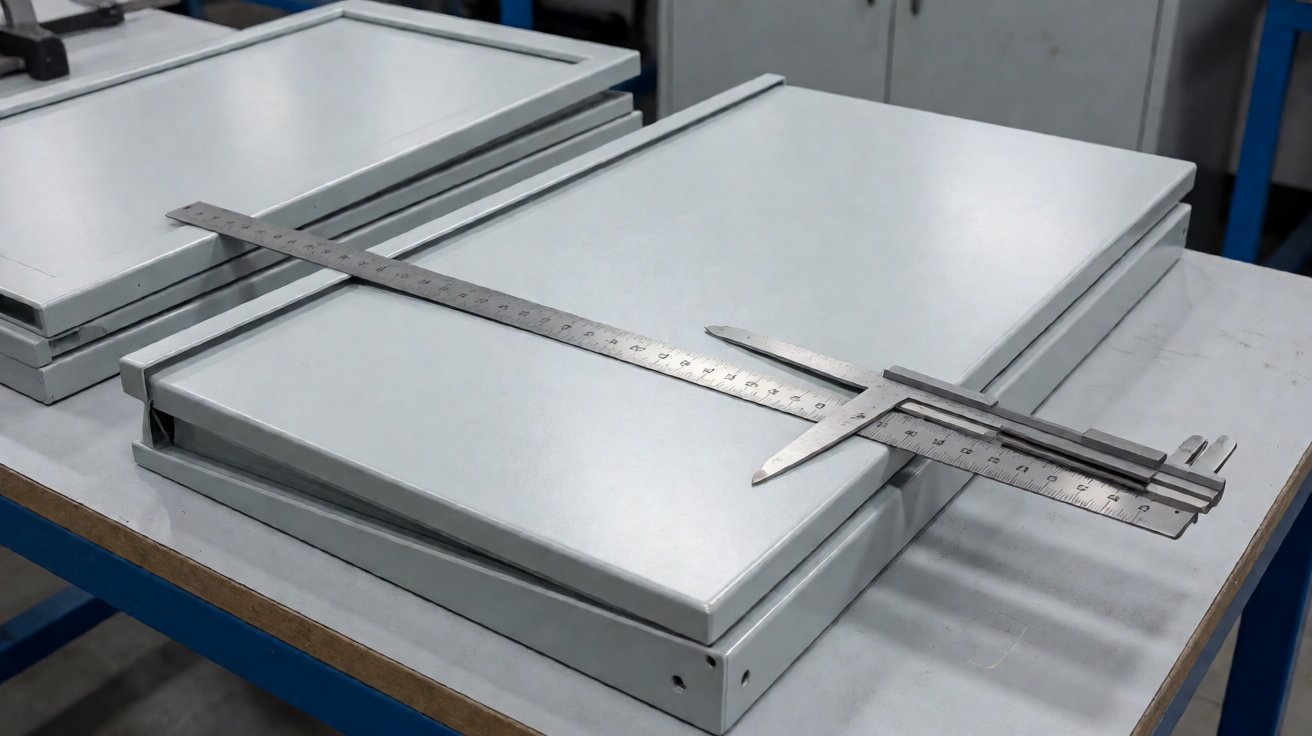
Figure 4: Checking door flatness against a straight edge before powder coating.
What Goes Wrong on a Key Cabinet
Door Flatness and the Box Effect
What are the main quality risks in key cabinet manufacturing? The first is door flatness. A thin folded door that is not flat reads as a cheap product immediately, because the light catches the wave across the face. The cause is usually welding heat near the opening, or a fold sequence that leaves stress in the panel.
The countermeasures are to keep weld away from the door opening, to fold the door as a tray with a return on all four sides so the stiffness comes from geometry, and to check the door against a straight edge with a feeler gauge before coating rather than after. Form and flatness terms are defined in ISO 1101.
Lock Alignment and Strike Position
The second risk is the lock. A cam lock needs its strike positioned so the cam lands squarely in the keeper, and a variation of a millimetre shows up as a door that needs a push to close. Because the lock hole is cut in the door and the strike is on the body, the two have to be located from the same datum, and the door has to be in its final folded state when the hole is cut.
The practical answer is to cut the lock hole after folding, in a fixture, rather than before. A hole cut in the flat pattern moves when the door is folded.
Hook Pull-Out and Numbering Errors
The third risk is the hooks. A hook spot welded to 1.0 mm sheet can pull out under a heavy key ring if the weld schedule is wrong or the zinc coating on galvanised sheet was not allowed for. Weld current has to be set for the coating, and a pull test on the first article is the only reliable check. Resistance welding practice for coated steel is covered by AWS C1.1, and the zinc coating itself by EN 10346.
Numbering is the fourth risk and the most embarrassing. A chart printed inside the door has to match the hook positions exactly, so the artwork is generated from the same layout that drives the weld fixture rather than redrawn by hand.
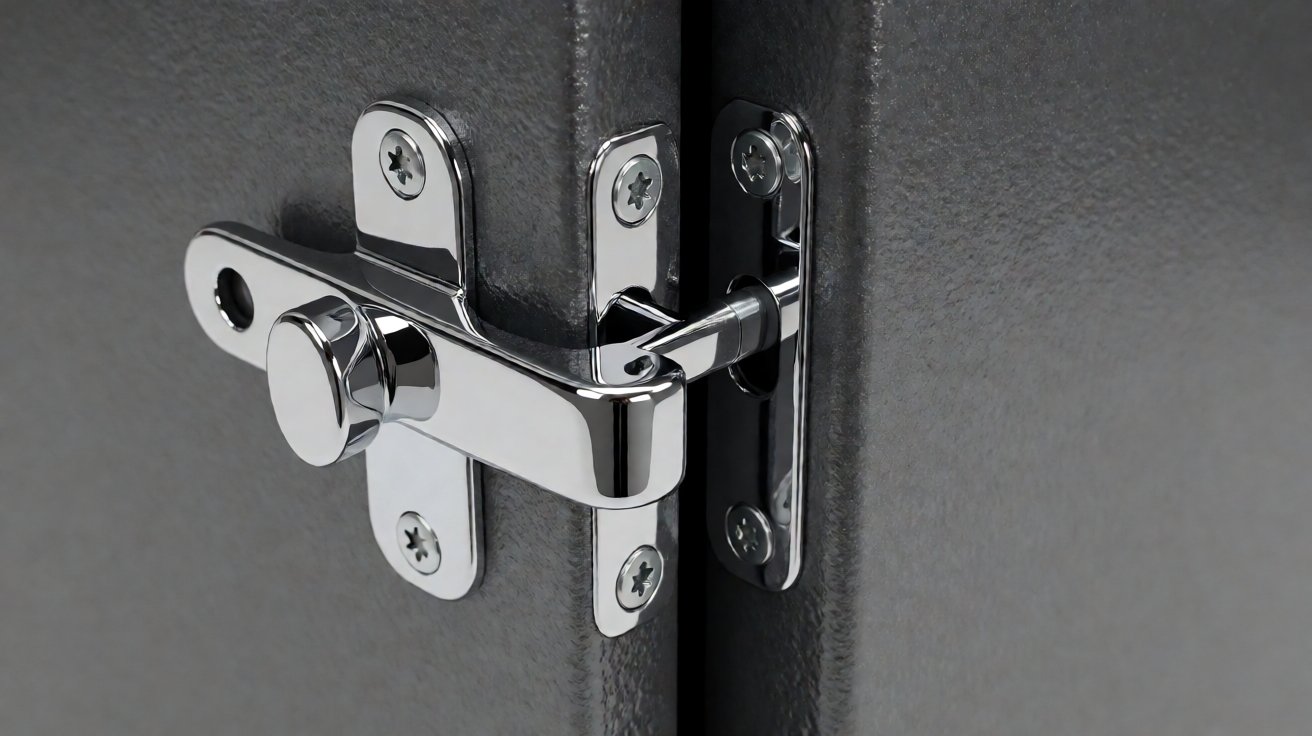
Figure 5: The cam lock and its strike plate, with the door edge and frame in line.
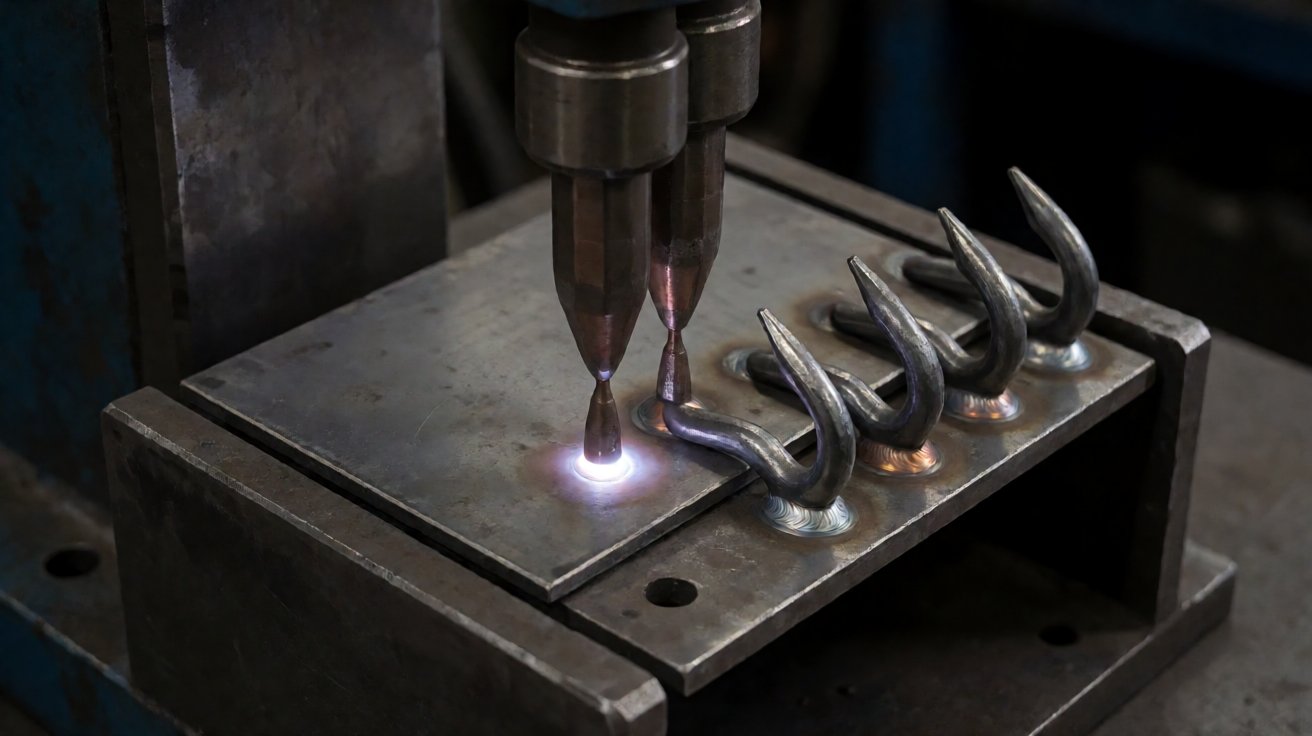
Figure 6: Spot welding a hook row to the back panel on a press welder.
Finish, Printing and Lead Time
Powder Coating and Colour
Powder coating is the standard finish for a key cabinet: it is hard, it covers the spot welds, and it gives a consistent colour across a run. Build is typically 60 to 90 microns over a phosphate pretreatment, and the coating has to be thin enough at the lock hole and the hinge line that the door still closes freely. Powder coating durability classes are described by the Powder Coating Institute.
Colour is normally a RAL match, with light grey and white the most common for office and facility use, and darker colours for workshops where a cabinet will get dirty. The inside of the door is coated too, because that is where the chart is printed. A textured finish hides handling marks better than a smooth one on a product that is opened several times a day.
Screen Printing and Numbering
Printing is what makes the product usable. The capacity figure and the numbering chart go on the inside of the door by screen print, and the hook numbers go beside each hook on the back panel. Both are printed after coating, because printing before coating buries the ink under the powder.
A cabinet without numbering is just a box, so the print artwork belongs in the drawing package rather than being left to the buyer after delivery. Practical details matter here too: the print has to survive a wipe with a cleaning cloth, the number has to be legible from arm length, and the chart has to fit the inside of the door without shrinking the type below reading size on a 320-key cabinet. Legibility and symbol sizing guidance is given in ISO 3864.
Lead Time and Batch Sizes
A key cabinet is a fast product. Samples follow in 5 to 10 working days after drawing approval, and first batches in 15 to 25 days, with the printing and the lock supply the two items that move the date. Batches are usually large because the unit value is low: 200 to 1,000 pieces per release is normal, with a minimum order around 100 pieces once the print artwork and the weld fixture exist. FOB prices for a 40 to 60 key cabinet typically fall between USD 6 and USD 18 depending on gauge, lock, capacity and printing.
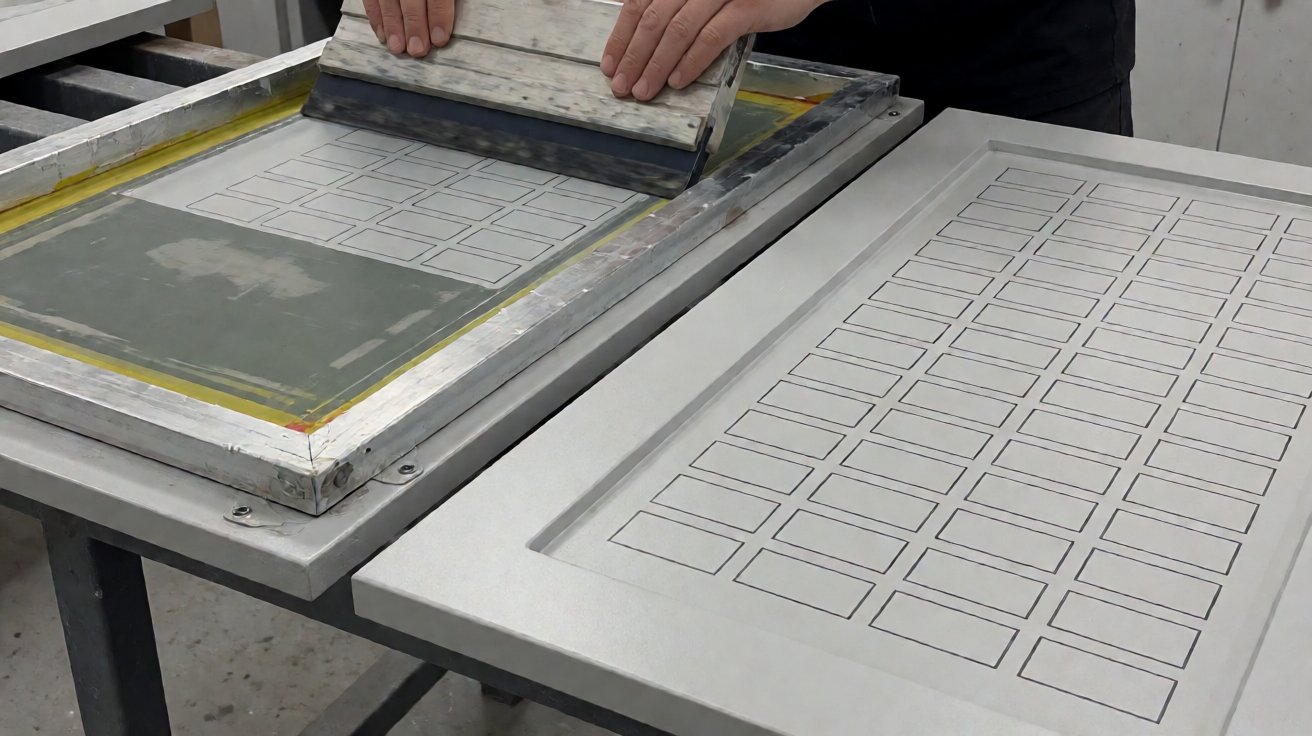
Figure 7: Screen printing the capacity and numbering chart onto the inside of the door.
Three Key Cabinet Programmes
A 60-Key Office Cabinet for a UK Facilities Group
A facilities management group needed 800 key cabinets for the buildings it manages: 60-key capacity, 1.0 mm cold rolled steel, cam lock, light grey powder coat and a printed numbering chart inside the door with matching tags. The chart had to match the hook positions exactly because the group audits key accountability quarterly.
We produced the key cabinet with the hook rows spot welded on a fixture, the door folded as a tray for flatness, the lock hole cut after folding, and the chart screen printed from the same layout data that drove the fixture. Releases ran at 400 cabinets, twice a year, with an MOQ of 100 and FOB prices from USD 9 to USD 14. The first batch shipped 20 days after approval and annual value was approximately USD 9,000.
A 160-Key Fleet Cabinet for an Australian Depot Network
A depot network managing bus fleet keys needed a 160-key cabinet in 1.2 mm steel with a cylinder lock, a deeper body for double hook rows and a 125 mm depth, plus a hasp so a padlock could be added at sites with a higher security requirement.
The key cabinet was built with a deeper folded body, two hook levels, a cylinder lock with a reinforced strike and a welded hasp at the door edge. Releases ran at 150 cabinets, twice a year, with an MOQ of 50 and FOB prices from USD 16 to USD 24. First batch lead time was 22 days and annual value was approximately USD 6,000.
A 20-Key Retail Cabinet for a European Chain
A retail chain needed a small 20-key cabinet for store rooms, wall mounted, in a dark grey finish, with a printed capacity on the door face and no numbering chart inside because each store organised its own keys.
We supplied the key cabinet at 1.0 mm with a single hook row, a cam lock and a face-printed capacity mark. Releases ran at 600 units, once a year, with an MOQ of 200 and FOB prices from USD 4.50 to USD 7. First batch shipped 18 days after approval and annual value was approximately USD 3,500.
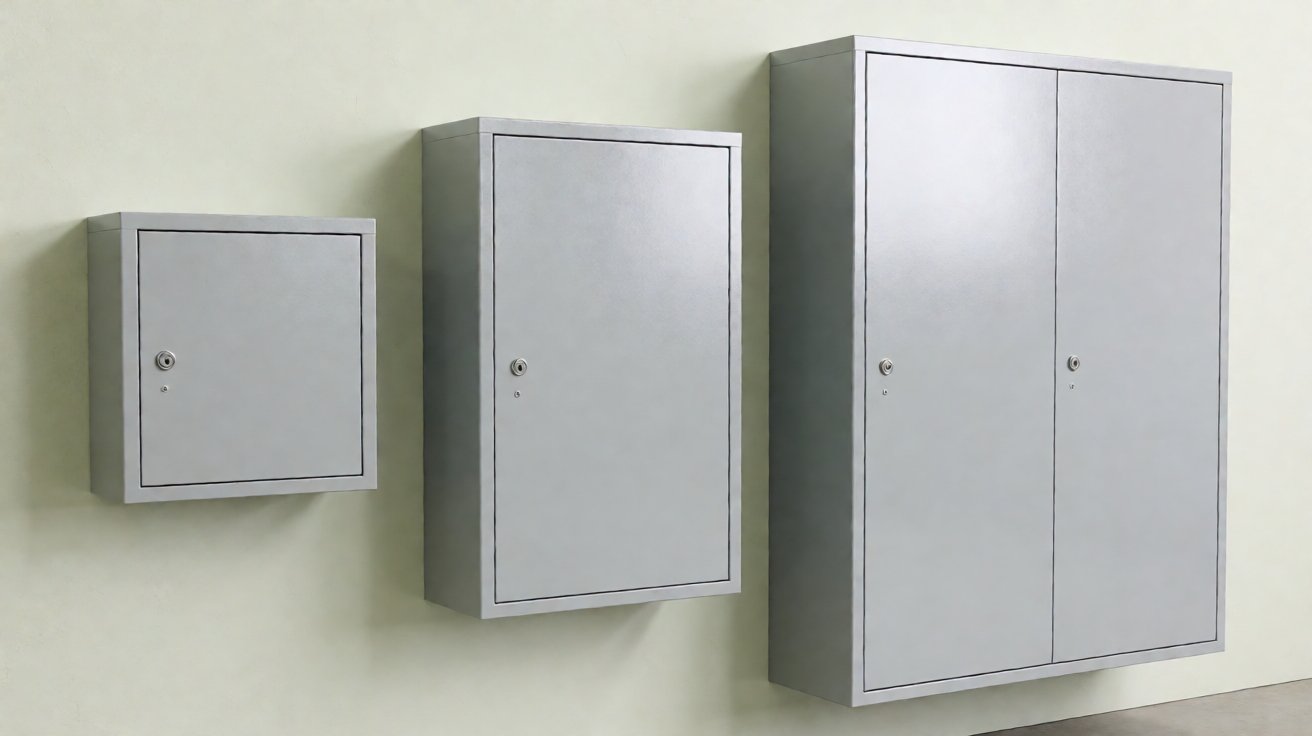
Figure 8: Three cabinet sizes side by side, showing how capacity scales the envelope.
Choosing a Key Cabinet Supplier
What to Ask at Quotation
Ask five things before comparing prices for a key cabinet. What gauge is the body and back panel, and is the back panel heavier? Are the hooks formed in house and spot welded on a fixture, or bought and riveted? Is the lock hole cut after folding? Is the numbering chart generated from the hook layout, or redrawn? And is the printing done after coating?
The answers separate suppliers quickly. A quote naming the gauges, hook fixing method and printing sequence is comparable; one listing a capacity and a price is not, because the same capacity can be built to very different standards of door fit and hook retention.
Where Suppliers Fail
Failures in key cabinet supply cluster in four places. The door arrives waved because it was welded rather than folded. The lock needs a push to close because the strike was located from a different datum than the hole. Hooks pull out under a heavy ring because the weld current was set for mild steel and the sheet was galvanised. And the numbering chart does not match the hooks because the artwork was drawn separately from the fixture.
None of these are exotic. They are the result of treating a small lockable box as a simple product, and they are avoided by putting the hook layout, the lock position and the artwork into one drawing package.
How XHX Metal Works
XHX Metal has manufactured sheet metal parts and enclosures for export customers from Dongguan since 2014, in a 2,000 sqm factory with about 30 staff and an annual capacity of 500,000 parts. The equipment list covers two 6 kW fiber laser cutting machines at +-0.01 mm, CNC punching, CNC bending, spot and TIG welding, powder coating through audited partners and screen printing, all under ISO 9001:2015 with CE documentation and SGS records. Dimensional inspection practice follows ISO 14253-1.
For a key cabinet programme, samples follow in 5 to 10 working days and first batches in 15 to 25 days. Send a drawing or a sample with the capacity, the lock type, the finish and the numbering requirement through the contact page; related work is described on the sheet metal capabilities page and the powder coating page, and enquiries also reach sales01@xinghaoxin.com.
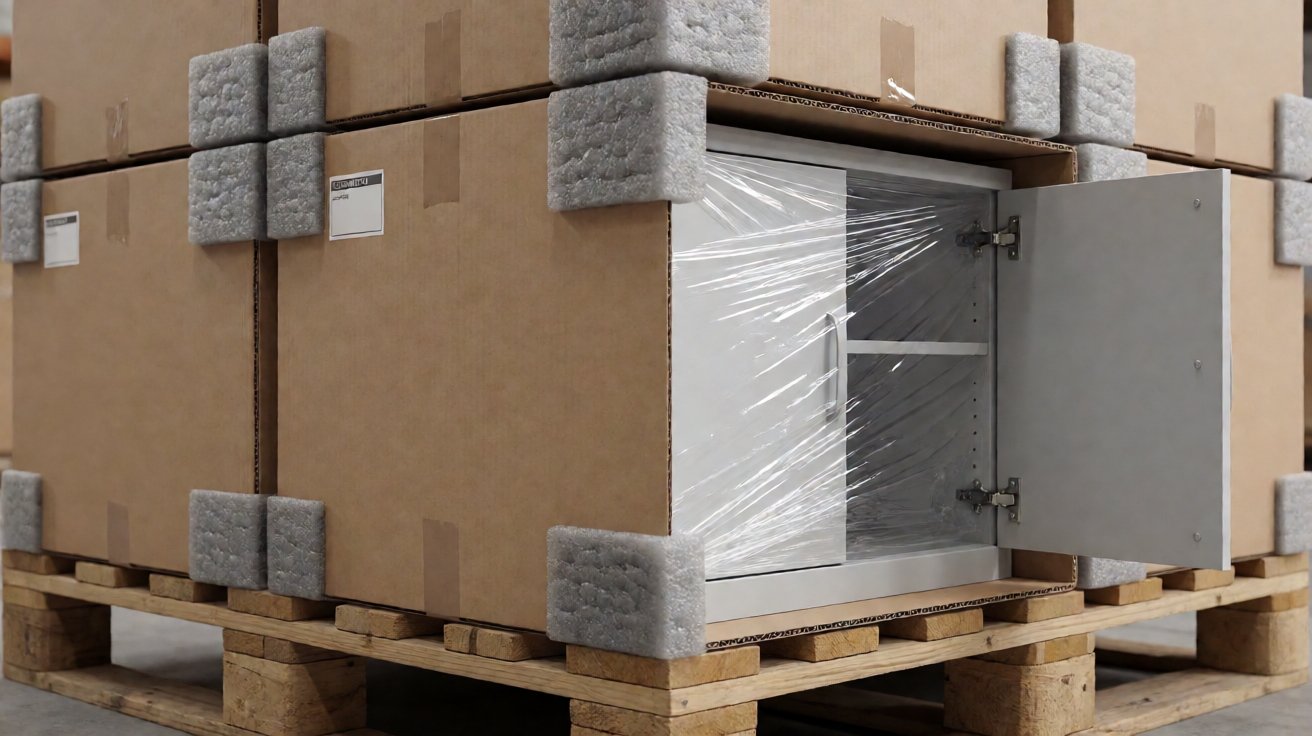
Figure 9: Finished key cabinets packed for export, corner protected in a carton.
Frequently Asked Questions
What is a key cabinet?
It is a wall-mounted steel box with numbered hooks behind a lockable door, used to store and account for keys in a building, a fleet or a maintenance department. It is made from thin folded steel with spot welded hooks and a powder coated finish.
What capacity should I choose?
Specify about 30 percent more than the current key count. Common sizes run from 20 and 40 keys for a small office up to 160, 240 and 320 keys for a depot, and depth grows with capacity because the hook rows and tags need clearance.
Which lock should a key cabinet have?
A cam lock is normal for an office; a cylinder lock where keys must not be interchangeable; a combination or digital lock where the key to the key cabinet itself would be awkward to control. A hasp can be added for a padlock at higher security sites.
Can the numbering chart be customised?
Yes. The capacity figure and the numbering chart are screen printed after coating, and the artwork is generated from the same hook layout that drives the weld fixture, so the numbers always match the hooks.
Do you supply the key tags?
Yes, numbered tags can be supplied with the cabinet so that the tags and the chart agree. Where the buyer has an existing tag system, the chart is printed to match it instead.
How long does key cabinet manufacturing take?
Samples follow in 5 to 10 working days after drawing approval. First production batches ship in 15 to 25 days depending on the printing and the lock supply.