LED lighting fixture housing manufacturing is the discipline behind the aluminum shells, heat sinks, and sealed bodies that turn LED boards into reliable luminaires. Unlike a simple sheet metal box, a luminaire housing must manage heat so the LEDs stay bright for tens of thousands of hours, protect the driver and optics from dust and moisture, and carry the product’s design language. Programs such as DLC and ENERGY STAR shape what the market expects from commercial and outdoor luminaires, and IES lighting standards guide how they are applied.
This guide follows the full journey of a custom LED luminaire housing program in seven steps: the product and its housing families, the applications each serves, material selection, production difficulty, lead times, past case studies, and a practical summary. Whether you are a lighting brand launching a new family, an outdoor luminaire OEM serving street and area lighting, or a manufacturer moving from components to finished housings, the information here will help you brief a fabricator, plan realistic timelines, and avoid the thermal and sealing problems that shorten luminaire life.
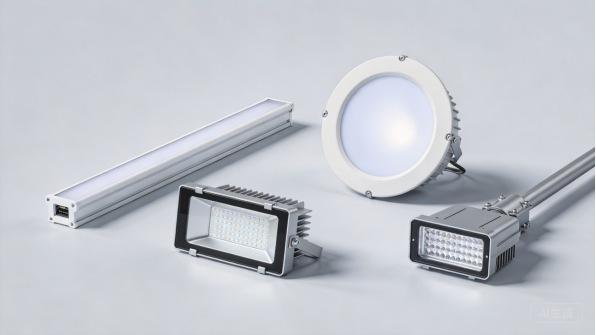
Figure 1: A family of LED luminaire housings in aluminum and powder-coated finishes.
The Product: What Are LED Lighting Fixture Housings
Luminaire Types and Housing Families
LED luminaires come in several housing families, each with its own form factor. Linear batten and troffer luminaires use long extruded aluminum bodies that carry LED boards under a diffuser, panel lights use shallow square or round housings with edge-lit or direct-lit optics, and floodlights and high-bay luminaires use die-cast or fabricated housings with exposed heat-sink fins. Street and area luminaires add a head housing, mounting arm, and sealed optical chamber.
Each family balances the same three jobs: carry the optics, conduct heat away from the LEDs, and protect the electronics from the environment. LED lighting fixture housing manufacturing spans all of them, and a fabricator that handles extrusion, machining, sheet metal forming, and assembly can supply a complete housing to a lighting OEM. The housing is the product’s skeleton, so its design quality shows in every luminaire that leaves the line.
Core Components and Their Roles
The core components are the housing body, the heat sink, the end caps or covers, the optical window, and the sealing system. The body defines the luminaire’s shape and carries the LED board, the heat sink conducts junction heat to the outside air, and the end caps close the cavity and carry glands or connectors. The optical window, usually a polycarbonate diffuser or a glass or acrylic lens, transmits light while protecting the LEDs.
Inside, the driver cavity houses the power supply and wiring, separated from the LED compartment where sealing and thermal requirements differ. Gaskets, cable glands, and mounting brackets complete the assembly. Every component is a fit point, and the housing design must hold tolerances so the driver slides in, the gasket compresses, and the luminaire assembles without field modification.
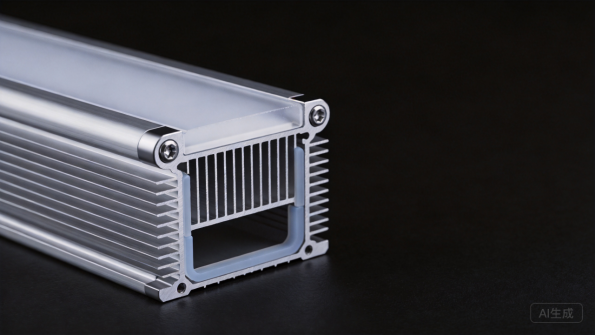
Figure 2: Housing details include heat-sink fins, end caps, diffusers, and sealing gaskets.
Design Drivers: Thermal, Optical, and Sealing
Three design drivers dominate luminaire housing engineering: thermal management, optical performance, and environmental sealing. LED junction temperature determines light output and lifetime, so the heat path from the board through the housing to the ambient air is designed with fin area, material conductivity, and airflow in mind. Optical performance depends on the position and flatness of the LED board and the window, which drives mounting tolerances.
Sealing determines where the luminaire can be used. Indoor luminaires need basic dust protection, while outdoor and damp-location luminaires need gasketed chambers and glanded cable entries that resist water ingress over years of weather. UL and other organizations evaluate luminaire safety and environmental performance, and the housing construction must support the luminaire’s rating. These drivers are decided at quotation, not discovered at the first prototype.
Customization in LED Lighting Fixture Housing Manufacturing
Custom LED lighting fixture housing manufacturing exists because every brand needs its own form factor, performance, and finish. Buyers customize housing lengths, heat-sink profiles, end cap styles, driver cavity layouts, mounting systems, and colors, and they expect the housing to assemble with their optics and drivers. Custom fabrication also supports product families: one extrusion profile can carry several lengths and optical options from a single manufacturing platform.
Customization includes compliance details such as cable glands, strain relief, and grounding points that certification bodies check. NEMA and related standards inform housing construction for outdoor and industrial luminaires, and buyers increasingly ask for documented materials and test evidence. A fabricator that can provide material certifications and consistent batch quality gives lighting brands the file they need for UL, DLC, and ENERGY STAR programs.
Use Cases and Applications
Commercial and Office Lighting
Commercial and office lighting is the largest market for linear and panel luminaires. Offices, retail spaces, and schools use recessed and surface-mounted luminaires with clean, low-profile housings that integrate with ceilings, and the housing must support high-efficiency optics and drivers while looking good for decades of operation. DLC qualification and ENERGY STAR listings are common requirements in this market, and they depend partly on the thermal and optical performance the housing enables.
For lighting brands, commercial programs reward consistent quality and fast lead times. Housings are ordered in volume against product launches, and the housing family must assemble with standardized drivers and optics so production does not require re-engineering per order. LED lighting fixture housing manufacturing serves this volume with repeatable extrusion, machining, and assembly processes, and brands that launch families quickly capture retail and specification channels.
Outdoor and Street Lighting
Outdoor and street lighting uses luminaires built for weather, vandalism, and continuous operation: street light heads, area luminaires, floodlights, and wall packs. The housings are sealed against rain and dust, resistant to corrosion and UV, and designed so the optical chamber stays clean for years. Die-cast and fabricated aluminum housings with gasketed lenses are the standard construction, and mounting arms and photocell sockets are integrated into the housing design.
Outdoor programs follow municipal and utility specifications, and the housings must meet performance and photometric requirements verified in a photometric laboratory. IES publishes testing and application guidance used by specifiers, and buyers need documentation that supports project approval. For manufacturers, outdoor programs are repeat business with long product life cycles, which rewards robust design and documented quality.
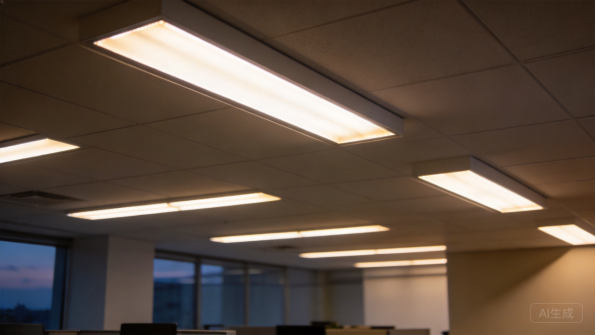
Figure 3: Recessed linear luminaires bring manufactured housings into the built environment.
Industrial and High-Bay Lighting
Industrial and high-bay lighting serves warehouses, factories, and gymnasiums with luminaires mounted high above the work area. These housings need efficient heat sinking for high-power LED boards, robust construction for vibration and dust, and mounting systems that hang safely at height. Linear high-bay and round UFO-style luminaires are the two dominant forms, and both use extruded or die-cast aluminum bodies with large fin areas.
Industrial programs value reliability and serviceability. Housings that accept standardized drivers and optics let facilities maintain luminaires without replacing the whole fixture, and the housing design must allow driver access through a serviceable cover. For fabricators, industrial lighting offers moderate volumes and strong repeat demand, and the thermal design content makes it a differentiator over commodity housings.
Retail, Hospitality, and Decorative Lighting
In LED lighting fixture housing manufacturing, retail, hospitality, and decorative lighting uses housings where appearance matters as much as performance: track heads, pendants, wall sconces, and decorative linear fixtures that carry the brand’s design language. These housings use smaller extrusions, machined details, and finishes that range from brushed aluminum to custom powder colors, and they are produced in shorter runs with more variety than commercial products.
For these programs, finish consistency and detail quality decide whether the product looks premium. Anodized and powder-coated finishes must match across batches, and visible joints, fasteners, and cable entries are designed to be clean. For fabricators, decorative lighting builds design capability and brand relationships, and the short-run flexibility of extrusion and machining fits the product mix.
Material Selection
Aluminum: Heat Sinks and Housings
In LED lighting fixture housing manufacturing, aluminum is the defining material of luminaire housings because it combines light weight, corrosion resistance, and excellent thermal conductivity. Extruded profiles form the bodies and heat sinks of linear and high-bay luminaires, die-cast housings serve floodlights and street light heads, and fabricated sheet aluminum carries panels and covers. Alloy selection, typically 6063 for extrusions and A380 for die casting, balances conductivity, formability, and cost, and AZoMaterials catalogs alloy properties for comparison.
The heat sink is where material choice is most visible: fin geometry and cross-section determine how much heat the housing moves to the air, and the extrusion is designed with the LED board’s thermal load in mind. Anodizing improves surface hardness and corrosion resistance while preserving thermal performance, and MatWeb’s materials database documents the thermal and mechanical properties that engineers use in housing design. Aluminum’s cost is higher than steel per kilogram, but its thermal role makes it the standard for LED housings.
Steel and Coated Housings
Steel appears in luminaire housings where cost matters and thermal demands are lower: troffer bodies, panel light frames, surface boxes, and mounting hardware. Cold-rolled steel with powder coating forms sturdy, low-cost housings for indoor luminaires, and galvanized steel serves brackets and outdoor mounting hardware. Steel does not conduct heat as well as aluminum, so it is paired with aluminum heat sinks where cooling is needed.
For steel housings, the coating does the environmental work. Powder coating, applied electrostatically and cured in an oven, forms a tough 60 to 80 micron film, and the Powder Coating Institute publishes technical resources on coating selection and testing. Coating performance is verified with standards published by ASTM International, including salt spray and adhesion tests, which matter for outdoor and damp-location products.
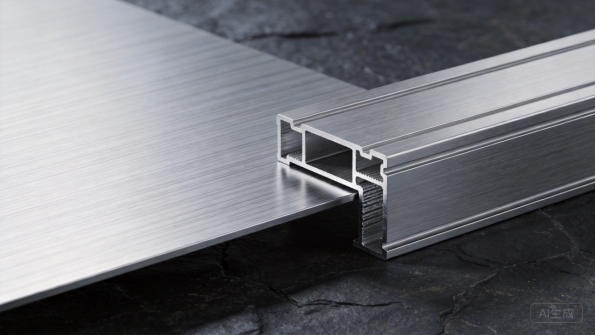
Figure 4: Brushed aluminum, extruded profiles, and die-cast corners define the luminaire material language.
Diffusers, Lenses, and Gaskets
The optical window and sealing system complete the housing. Polycarbonate diffusers are the most common window: they transmit light, resist impact, and are easy to form, while acrylic lenses offer higher clarity and glass serves high-end and high-heat applications. The window is mounted with gaskets or adhesive systems that seal the optical chamber, and its fit and flatness affect both light distribution and ingress protection.
Gaskets are chosen for compression, temperature range, and UV resistance: silicone and EPDM serve outdoor luminaires, while closed-cell foam suits indoor cavities. Cable glands and strain reliefs protect the wiring entry, and their IP rating must match the luminaire’s claim. Material compatibility at the window, gasket, and gland joints is a design responsibility that decides whether a luminaire keeps its rating for years.
Finishes: Anodizing and Powder Coating
The finish defines the luminaire’s look and its outdoor durability. Anodizing is the standard for aluminum: it hardens the surface, resists corrosion and scratches, and accepts clear, silver, and black finishes that lighting brands favor. Powder coating adds color and texture for both aluminum and steel, and it supports the RAL and Pantone matching that product design requires.
Finish selection follows the application. Indoor luminaires use architectural colors and textures, while outdoor products need UV-stable powders and corrosion-tested coatings. SSINA and related references guide stainless hardware selection, and buyers should specify the finish system and its test evidence at quotation. A finish specified too late is the most common source of color mismatch and warranty claims in lighting programs.
Production Difficulty
Extrusion, Machining, and Heat-Sink Design
LED lighting fixture housing manufacturing begins with the aluminum profile: extrusions are designed for the heat load, then cut, drilled, and machined to accept LED boards, drivers, and end caps. CNC machining creates the mounting surfaces, driver pockets, and gland holes with the tolerances that optical alignment depends on, and the machining stage is where the housing’s precision is set. At XHX Metal, precision machining and fabrication run under one roof, which keeps the housing geometry under control.
Heat-sink design is an engineering task, not just a shape: fin spacing, depth, and cross-section determine airflow and cooling, and the profile must be manufacturable at the extrusion press and machinable in production. Engineers Edge publishes mechanical design references used in enclosure and heat-management work, and first articles are machined and checked against the drawing before production. The extrusion and machining stage decides whether the luminaire stays cool and assembles cleanly.
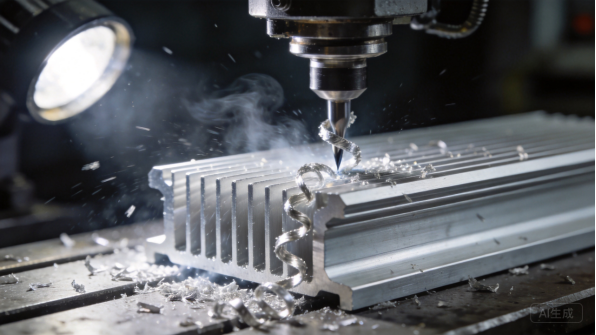
Figure 5: CNC machining cuts heat-sink profiles and mounting surfaces to precision.
Bending, Forming, and Assembly
Fabricated aluminum and steel parts add structure and mounting to the extruded body: brackets, covers, frames, and mounting arms are cut, bent, and welded to tolerance. Bending springback is compensated in the programs, and welding heat input is controlled to avoid distortion on thin sections. TWI Global provides technical guidance on welding aluminum and steel, and fixtures hold parts to geometry while welds cool.
Assembly brings the housing together: end caps are fitted, gaskets are installed, drivers and wiring are routed, and the optical window is mounted. Driver installation is a quality point because wiring, strain relief, and thermal contact all affect reliability, and the assembly process is documented with torque and alignment checks. For lighting OEMs that assemble in-house, the fabricator ships machined and finished housings ready for their line.
Sealing, IP Ratings, and Driver Integration
Sealing is where outdoor luminaires are won or lost. The optical chamber and driver cavity are sealed with gaskets, adhesive systems, and glanded entries, and the assembly must pass the ingress tests that back the IP rating. Gasket compression, fastener torque, and surface flatness are controlled at assembly, and representative units are water and dust tested to confirm the rating.
Driver integration is part of the housing design: the cavity must fit the driver, keep it cool enough, and allow service access, while wiring routes through strain reliefs without chafing. UL and similar evaluations check these details, and documentation of materials and assembly supports certification. A fabricator that treats sealing and driver integration as engineering, not assembly trivia, is the one that delivers rated luminaires reliably.
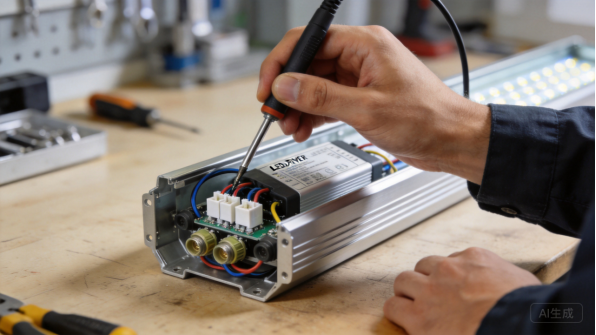
Figure 6: Driver and wiring installation completes the sealed luminaire housing.
Quality Control and Photometric Verification
Luminaire quality control combines dimensional inspection with performance verification. First articles are inspected against the drawing, verifying mounting surfaces, gland holes, and gasket channels, and production batches follow a control plan with sampling. Coating thickness, gasket fit, and assembly alignment are checked at defined points, and sealed units are tested against the IP rating.
Photometric verification is the lighting-specific step: luminaires are measured in an integrating sphere or goniophotometer to confirm light output, distribution, and color, and the housing’s optical alignment shows up in these results. IES testing methods and programs such as DLC use this data, and buyers need documented performance for qualification. A fabricator that coordinates optical testing gives lighting brands the evidence they need for market listings.
Production Lead Times
RFQ, Engineering Review, and Prototypes
An LED lighting fixture housing manufacturing program starts with an RFQ: drawings or product specification, material, finish, quantities, and target timing. The fabricator’s engineering team reviews the design for manufacturability, checking extrusion feasibility, machining access, sealing, and assembly sequence, and returns a quotation with comments within one to three business days. Prototypes are typically delivered in ten to twenty business days because extrusion dies and machining programs must be prepared.
The prototype is where thermal and optical assumptions get validated: the housing is assembled with the actual LED board and driver, the window is fitted, and the seal is checked. Prototype feedback should include fit notes and suggested drawing changes. For lighting programs, a fully assembled sample with optics and driver, not just the shell, is worth the cost because it proves the housing performs before production tooling is committed.
Early sample approval also locks the finish and driver cavity layout before extrusion dies are finalized, which avoids expensive die changes.
Tooling and Process Setup
Extruded housings require extrusion dies, which add four to eight weeks of tooling lead time and a die investment that pays back through volume. Die design is critical because the profile defines the heat sink, the LED board mounting, and the product’s appearance, and die trials produce the first samples for approval. Fabricated sheet metal parts can start with laser cutting and bending while the die is being made, which shortens the overall program.
The setup that matters beyond the die is process tooling: machining fixtures, welding jigs, sealing fixtures, and inspection gauges for critical dimensions. Building this setup typically takes one to two weeks. Buyers should expect a cost comparison between extrusion and fabricated construction, because lower-volume programs may be better served by bending and forming than by a dedicated die.
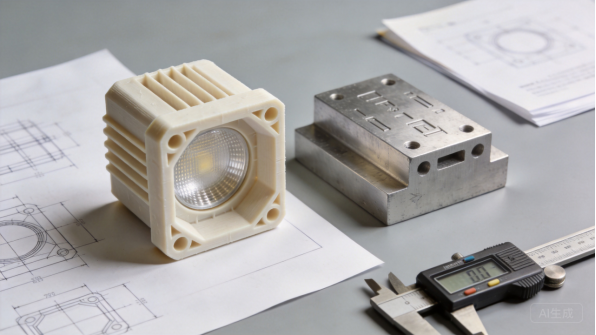
Figure 7: Prototype samples validate housing geometry before production tooling.
Production Batches and Volume Planning
In LED lighting fixture housing manufacturing, typical production lead times are 20 to 35 business days for batches from a few hundred to tens of thousands of housings, with anodizing, coating, and assembly consuming a large share of that time. Lighting launches are often scheduled around trade shows and utility program timelines, so brands plan production against those dates.
Forecast sharing keeps lead times stable. When brands share rolling forecasts, the factory reserves extrusion capacity and finishing slots and orders long-lead items such as specific alloys or custom colors in advance. Standard 6063 profiles are usually on hand, while custom dies and finishes add lead time. A clear schedule with milestone dates makes the bottleneck visible before it becomes a missed launch.
Packaging, Logistics, and Documentation
Luminaire housings ship in packaging matched to the product: machined surfaces wrapped, coated parts separated by foam, and glass or polycarbonate windows packed with edge protection. Export shipments use rust-preventive paper or VCI film against container condensation, and the fabricator should provide carton dimensions, gross weight, and loading photos for freight planning.
Documentation accompanies every shipment: packing lists, material certificates, coating certificates, and dimensional or test records where agreed. Buyers should confirm the documentation set during quotation, because UL, DLC, and ENERGY STAR files depend on it. Communication follows clear milestones, with photos at each stage, so lighting brands can track progress without site visits.
Past Case Studies
Lighting Brand: Linear Batten Family
A lighting brand needed a family of linear batten luminaire housings in three lengths: extruded aluminum bodies, snap-in diffusers, and driver cavities sized to its standardized drivers. The engineering team designed one extrusion profile and three length configurations, sharing end caps and mounting clips across the family to control cost.
Prototypes were assembled with the brand’s LED boards and drivers, and thermal testing confirmed the heat-sink design held junction temperature within target. Production batches of 5,000 housings per month shipped with machined surfaces and anodized finishes, and the brand launched the family on schedule. The program showed how one profile platform covers a full product range, and demonstrated that LED lighting fixture housing manufacturing can scale a family without per-model tooling.
The brand now stocks the family in two distribution warehouses and reorders monthly against project demand, and the platform later added a second wattage with a longer heat sink while sharing the same end caps and clips.
Outdoor OEM: Street Light Housings
An outdoor luminaire OEM needed street light head housings with sealed optical chambers, die-cast mounting arms, and a UV-stable powder finish for municipal projects. The specification required gasketed lens mounting, photocell socket integration, and documentation for photometric and safety qualification.
First articles were IP tested and photometrically verified, and production batches delivered with material certificates and test records. The OEM won municipal approvals and reordered for multiple projects, with a second housing size added for area lighting. The program showed how documented sealing and optical performance win specification-driven outdoor work.
The OEM also added an area lighting variant with a wider optical chamber, produced on the same machining and sealing lines, and photometric records accompany each municipal order in its qualification file for utility approvals.
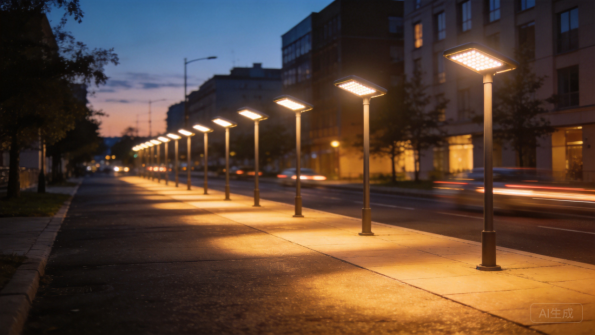
Figure 8: Street lighting brings outdoor luminaire housings into service across the city.
High-Bay Manufacturer: Industrial Housing
A high-bay luminaire manufacturer needed round industrial housings with large heat-sink fins, driver access covers, and hanging mounting systems for warehouse applications. The design used a fabricated aluminum body with a machined heat sink, sized for high-power LED boards and standardized drivers.
The prototype was thermal tested at full power, and the fin geometry was refined before production. Batches of 1,000 units per month shipped with driver cavity routing and serviceable covers, and the manufacturer standardized the housing across wattage variants. The program demonstrated how thermal engineering content differentiates industrial housings.
Driver access was validated on the prototype, and the serviceable cover design was kept across all wattage variants.
Retail Lighting: Decorative Panel Range
A retail lighting brand needed a decorative surface-mounted panel housing with a brushed aluminum finish and a slim profile, produced in shorter runs with several finish options. The housing combined a fabricated aluminum frame, an edge-lit optical chamber, and machined details that matched the brand’s premium look.
Finish consistency was verified across batches, and the short-run flexibility of machining and fabrication let the brand test three finishes before committing to volume. The range launched across retail channels and expanded with a second size. The program showed how fabrication flexibility supports design-led lighting brands.
The brand later added a black anodized option for architectural projects using the same housing geometry, and short production runs let it test market response before committing to volume, which fits its launch strategy.
Summary and Next Steps
Key Takeaways
LED lighting fixture housing manufacturing is a thermal, optical, and sealing-sensitive discipline that demands more than sheet metal work. The material decision drives performance and cost, from extruded aluminum for heat sinks to coated steel for indoor frames, and finishes, windows, and gaskets must be specified for the luminaire’s environment. Production difficulty concentrates in heat-sink design, machining precision, and sealed assembly, which are exactly where experienced fabricators differentiate themselves.
Lead times follow a predictable path: engineering review in days, prototypes in two to four weeks, extrusion dies in four to eight weeks, and production in three to five weeks per batch. Forecast sharing and staged delivery planning keep launch programs on schedule. Buyers who settle materials, thermal targets, and certification requirements before quoting will have smoother programs than those who discover requirements at the first photometric test.
Why XHX Metal
XHX Metal is a privately owned sheet metal manufacturer in Dongguan, China, with a 2,000 square meter factory, about 30 employees, and an annual capacity exceeding 500,000 pieces. The factory operates under an ISO 9001:2015 quality management system with CE and SGS certifications, and it produces custom housings, panels, enclosures, and machined parts for export customers with packaging designed for ocean freight. Laser cutting, CNC press brakes, TIG and MIG welding, and finishing partners cover the fabrication side of luminaire housings.
The company supports buyers from design review through production, provides first-article inspection reports and material certificates, and coordinates anodizing, coating, and dimensional verification when required. For LED lighting fixture housing manufacturing programs, buyers can review related sheet metal fabrication services and product pages, and the team will structure quotations, quality documentation, and delivery schedules to match the program’s needs.
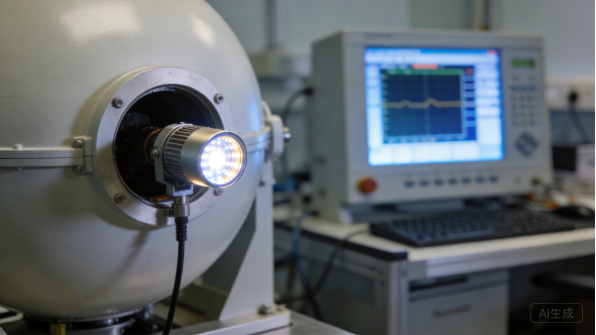
Figure 9: Integrating sphere testing verifies the optical performance of the finished luminaire.
How to Start Your Project
Start with a STEP or STP file and a drawing that states material, thermal target, finish, quantities, and certification requirements. If the design is not finalized, send photos or sketches of the luminaire, the LED board and driver you plan to use, the wattage and environment, and the annual volume, and the engineering team will recommend a manufacturable, rating-ready design. The typical path is: engineering review, quotation, prototype, first-article inspection, production, and shipment, with clear communication at each milestone.
To discuss a luminaire housing program, contact Barry at +86 13244963694 or sales01@xinghaoxin.com, or send your design through the XHX Metal website. With clear requirements and the right partner, an LED housing family moves from drawing to production in weeks, with thermal, optical, and sealing performance that passes qualification.
What to Ask a Fabricator
Before placing an order, ask the fabricator three questions: which aluminum profiles and finishes it works with regularly, how it verifies heat-sink machining and sealing on first articles, and what thermal, IP, and photometric documentation it can coordinate. The answers reveal whether the shop treats housings as lighting products or as simple metal boxes.
Also confirm experience with extrusion dies, driver cavity design, and export packaging, because those details decide whether a luminaire qualifies and ships cleanly. A fabricator that lists test methods and acceptance criteria in the quotation is treating quality as part of the product, and that is the partner worth building a lighting line with.