Last updated: September 21, 2026 | By XHX Metal Engineering Team
A battery terminal connector is the small metal part that carries current between a cell terminal and a busbar, a cable, or the next module in the stack. Battery pack manufacturers buy it in large quantities, treat it as a safety-relevant component, and judge it on three things that never appear in a catalogue photo: contact resistance, thread quality, and whether the hole pattern repeats from batch to batch.
This guide is written for the engineers and buyers who place that order. It covers the forms a battery terminal connector takes, the copper alloys and platings behind them, the production risks that decide whether a pack passes its temperature rise test, and how a programme runs from drawing to delivery — with real batch data from three supplier programmes.
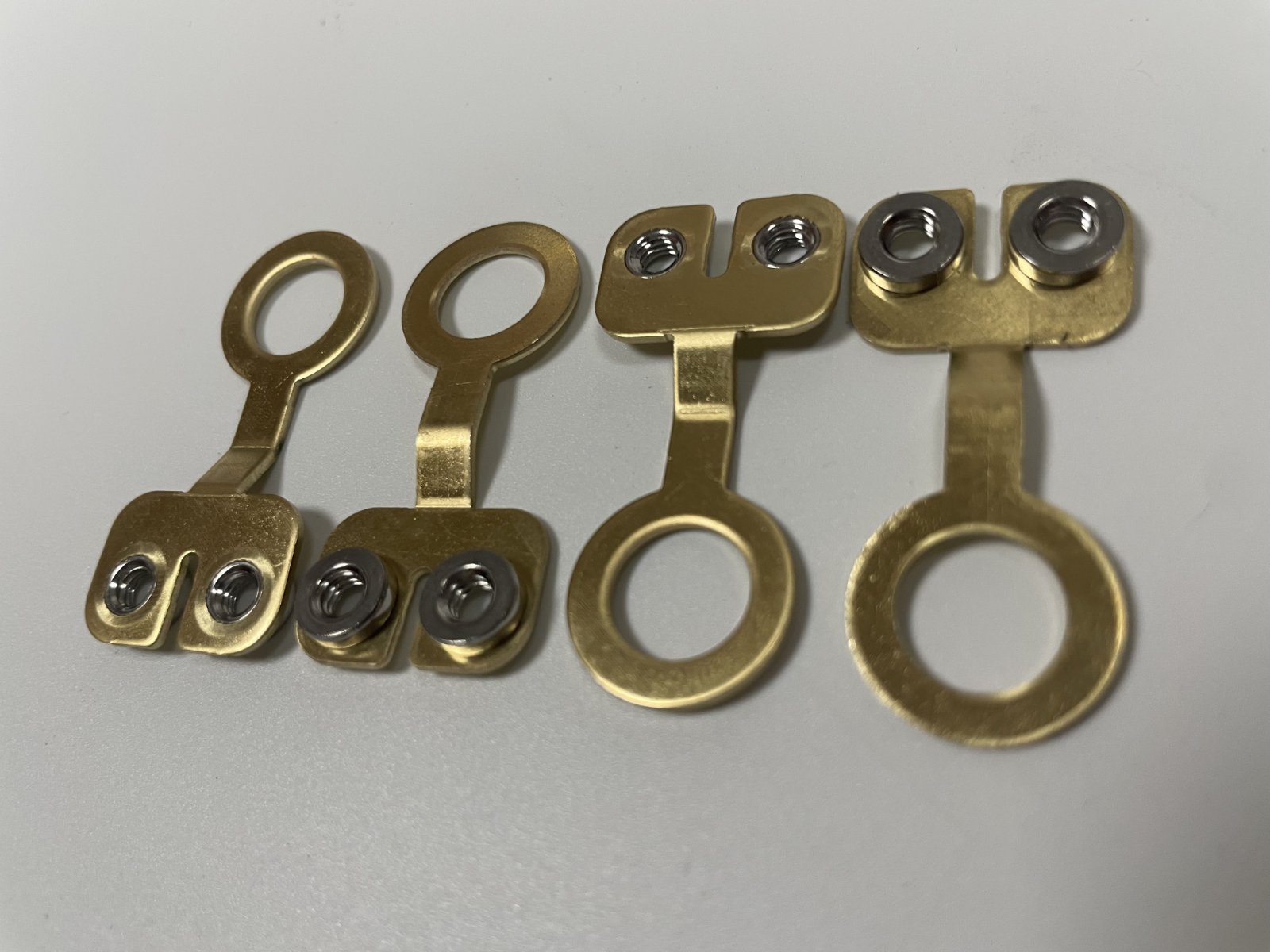
Figure 1: Brass battery terminal connectors from production: ring end, extruded fixing holes and press-in nuts.
The Product: What a Battery Terminal Connector Is
What Battery Terminal Connector Manufacturing Covers
A battery terminal connector is a stamped or machined conductive link with a ring at one end and a fixing interface at the other. Manufacturing it covers the blank, the outer profile, the terminal hole, the extruded fixing holes, any press-in nut, the thread, the deburring, and the plating that keeps the contact face stable.
The part looks simple and is not. Current passes through a small cross-section, so the material, the thickness and the contact area set how hot the joint runs under load, and the fixing end has to accept a screw through a thread that survives repeated assembly. Because a battery terminal connector is fitted by the thousand on a module line, any burr, plating skip, or hole a few tenths out of position stops a production cell rather than causing a cosmetic complaint. The production discipline behind this is described by SME.
XHX Metal produces these parts from drawing to delivered lots in one factory, with the wider scope on the sheet metal fabrication services page.
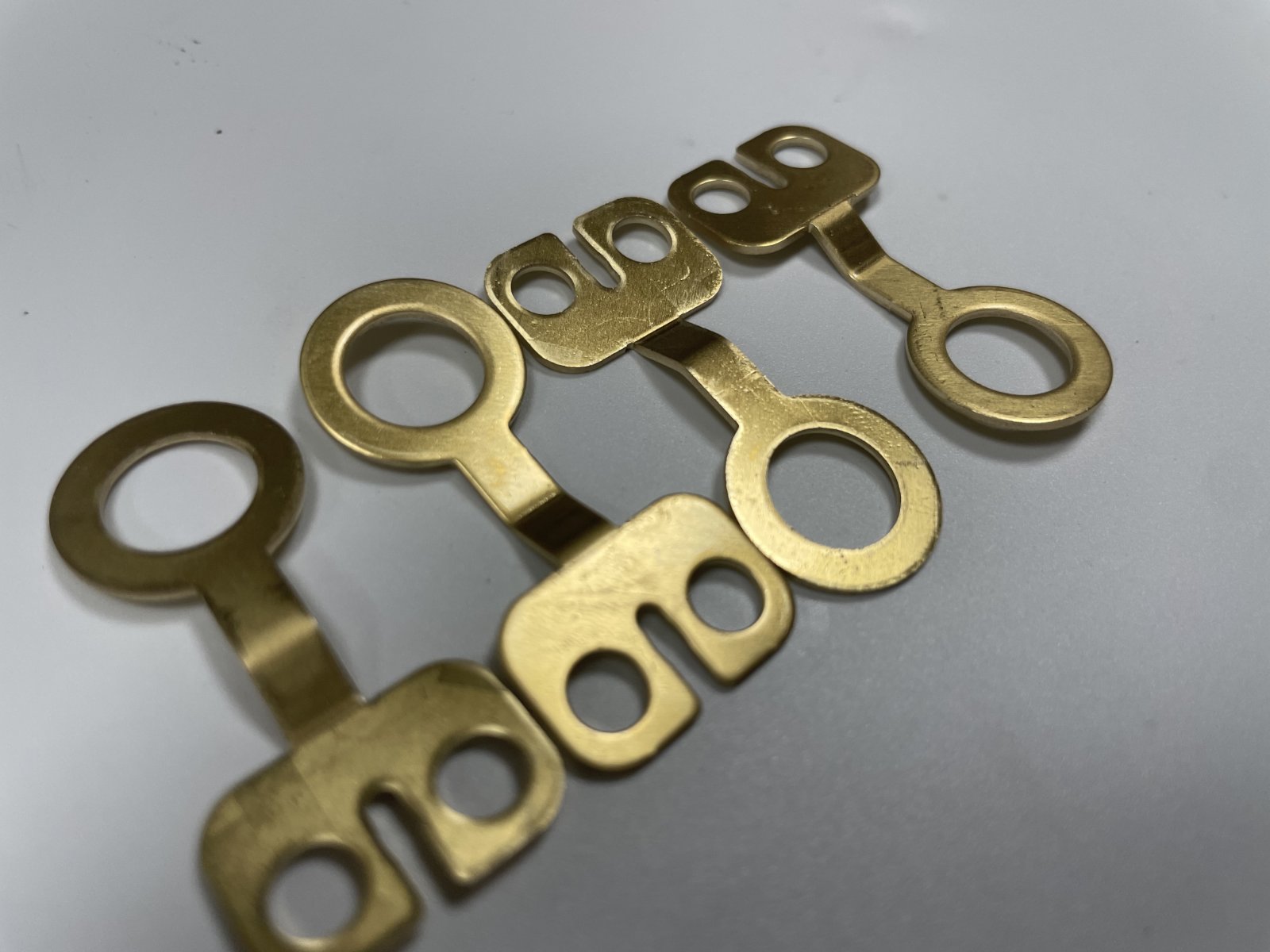
Figure 2: Extruded fixing holes on a stamped brass battery terminal connector, before nuts are pressed in.
Types: Ring Links, Flat Lugs, and Busbar Connectors
Three families cover most orders. A ring link has a closed ring at one end and a flat or extruded fixing pad at the other, which is the shape most battery pack makers use to join a cell terminal to a busbar. A flat lug has a plain strip with punched holes at both ends and relies on the joint rather than the shape to carry current. A busbar connector is wider and shorter, and is designed around a specific module pitch.
The family decides the tooling. Ring links are punched in a progressive or compound die, and the ring diameter is fixed by the terminal post. Flat lugs are simple pierce-and-blank work. Busbar connectors often need a wider strip, a heavier gauge, and sometimes a bend along the length, which makes flatness the main production risk.
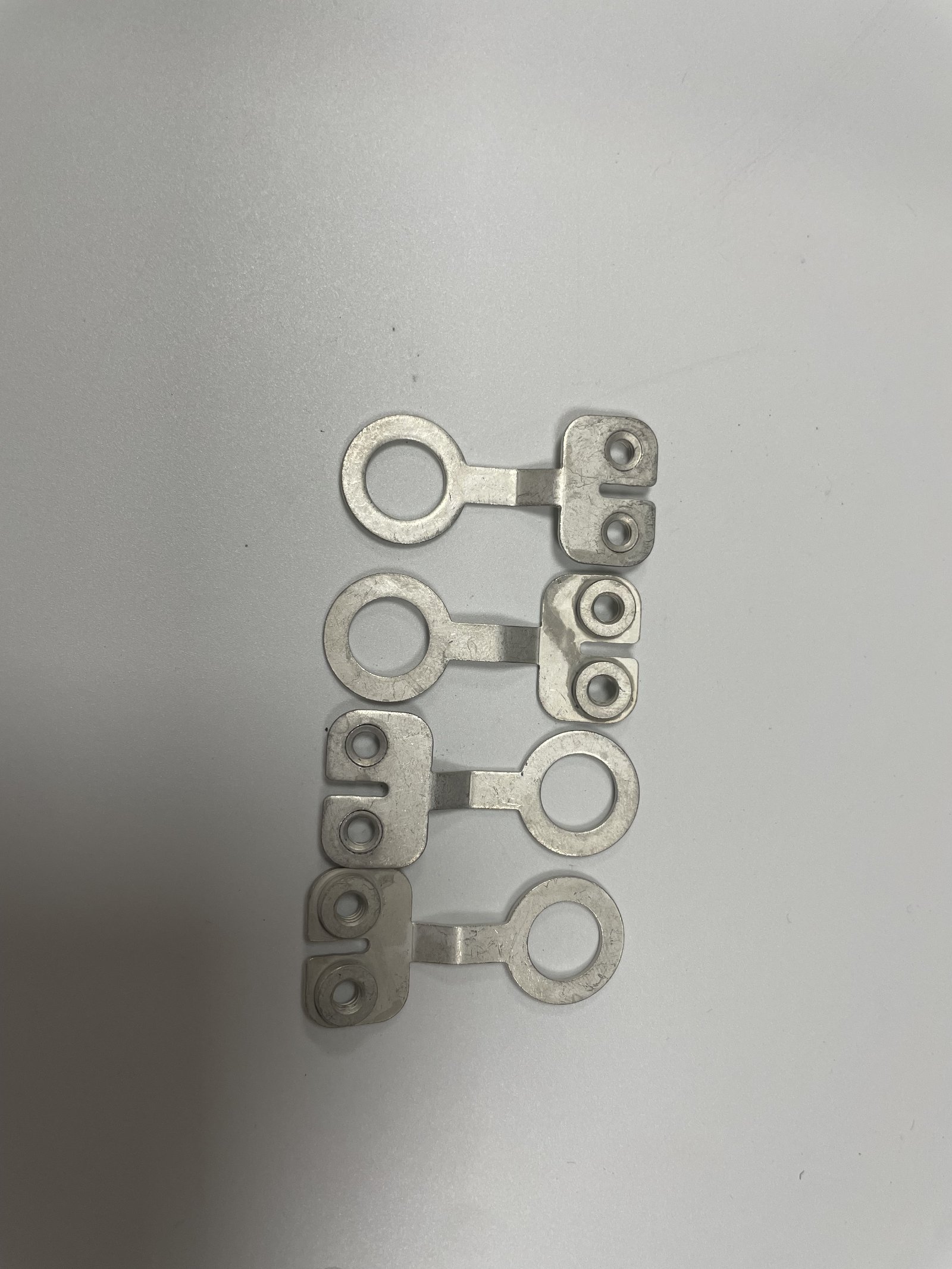
Figure 3: Nickel plated battery terminal connectors, supplied for a module line that specifies a stable contact surface.
Which Parts Battery Manufacturers Order Most
The parts that appear on nearly every purchase order from a battery factory are the ring link itself, the extruded hole or press-in nut that forms the fixing interface, the screw that goes with it, and the plating. Cell makers also order the mating busbar and the insulation sleeve as separate lines.
Repeat buyers add items once the module design is frozen: a torque specification card, a sample board holding one part from each plating lot, a labelled reel or tray for the line, and a sealed bag of spare fasteners. Those additions cost little and remove many of the questions that reach the assembly line. The wider product scope is listed on the product range page.
Use Cases: Who Orders Battery Terminal Connectors
Battery Module and Pack Manufacturers
Module and pack builders are the largest buyers of a battery terminal connector. Their purchasing is driven by one line of the bill of materials that has to arrive complete: part, screw, and torque specification, in trays or reels that fit the assembly station.
This customer measures a battery terminal connector supplier on lot-to-lot consistency rather than on appearance. The terminal hole centres the post, the fixing holes locate the busbar, and the thread holds the torque. If any of those drifts, the line stops. The practical control is a first article report that records those interface features, plus a fixture that repeats them, rather than a general inspection of the outline.
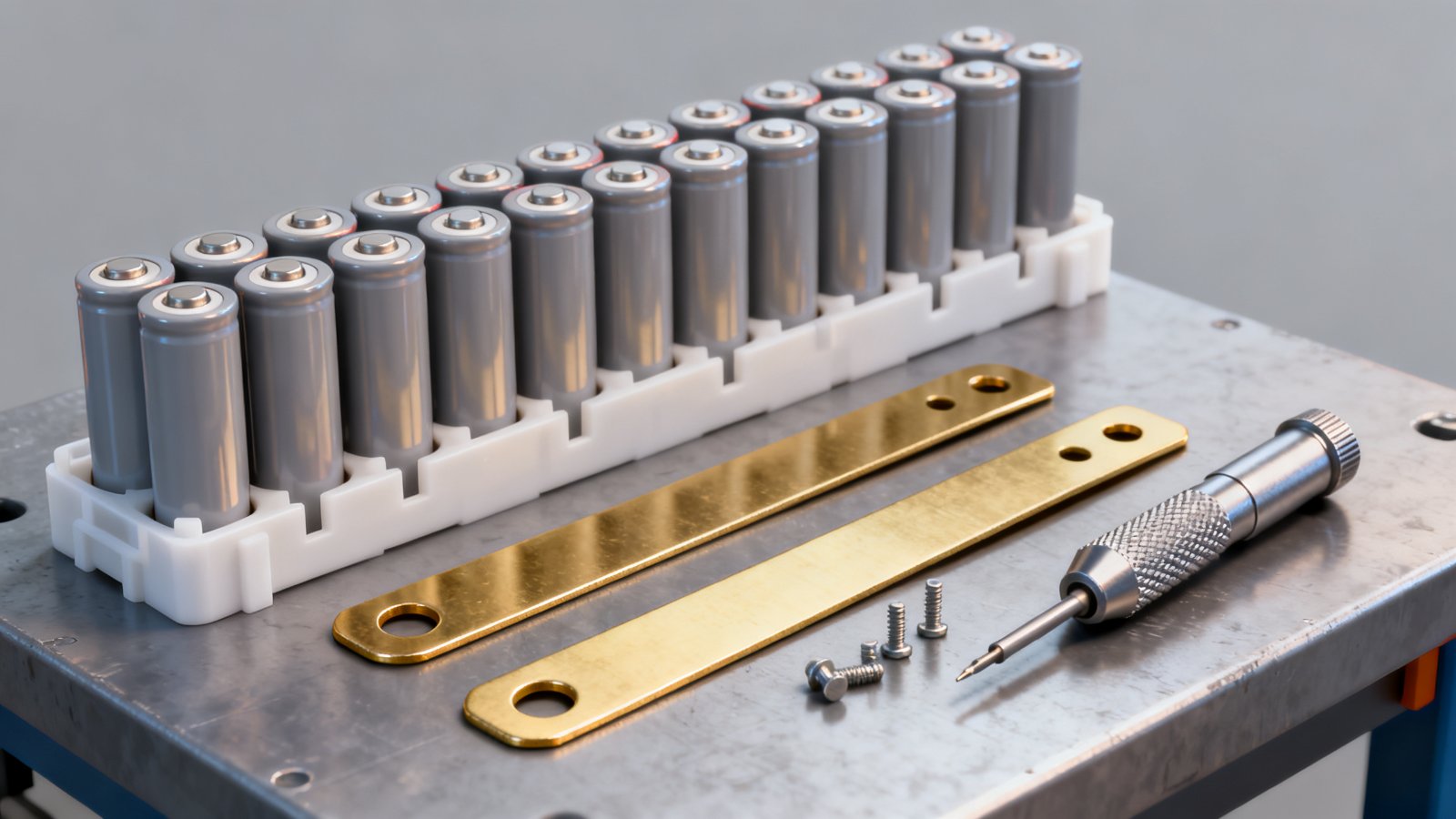
Figure 4: Battery terminal connectors at a module assembly station, bolted over cell terminal posts.
Energy Storage System Integrators
Energy storage integrators buy the same family of parts for rack-mounted systems, but they specify for a longer service life and a slower assembly rhythm. Corrosion resistance and a stable contact surface matter more here, because a containerised installation runs for years in conditions that no vehicle sees.
These programmes also attract more documentation. Plating thickness, material certificates and lot traceability are requested at quotation rather than after delivery, partly because battery material rules in Europe now follow the product through its life; the framework is set out in the EU Batteries Regulation. For a battery terminal connector supplied into that chain, the paperwork is part of the deliverable.
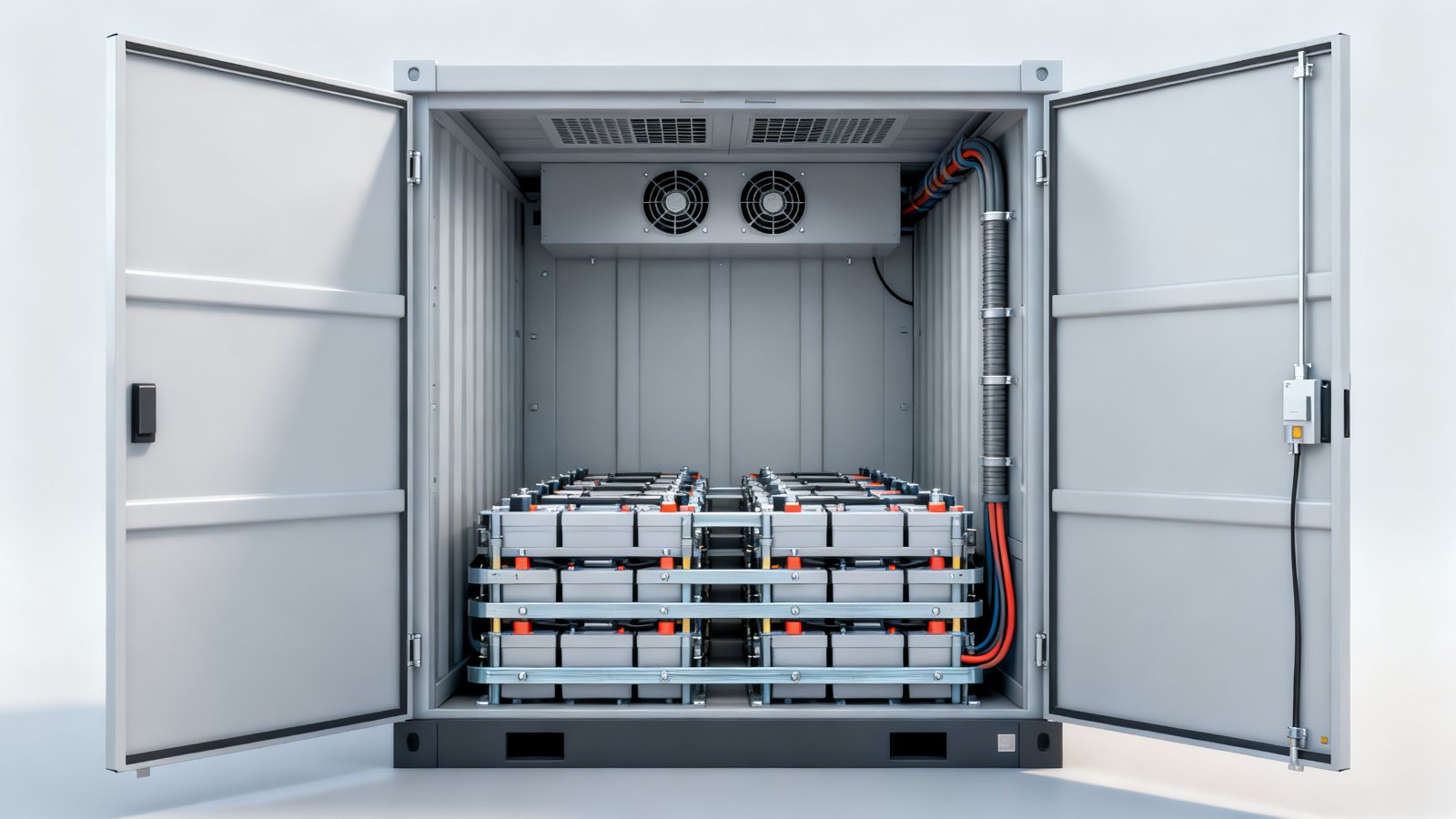
Figure 5: Battery terminal connectors and busbars inside an open energy storage cabinet.
EV, Marine, and Industrial Battery Builders
Vehicle, marine and industrial battery builders order heavier versions of the same part, usually with a thicker strip and a larger terminal hole. The difference is current: a traction pack moves far more energy through each joint than a stationary rack, so the cross-section is set by a temperature rise calculation rather than by the bolt size.
These buyers commonly ask for a sample joint test rather than a component test: the connector is bolted to a representative busbar, loaded, and allowed to reach steady state, and the temperature rise is recorded. General guidance on electrical contact and power system practice is published by bodies such as IEEE, and energy programme context is available from the US Department of Energy.
Materials, Plating, and Current Rating
Brass, Copper, and Aluminium
Brass is the most common material for a battery terminal connector because it machines and stamps cleanly, holds a thread well, resists corrosion, and costs less than pure copper. Its trade-off is conductivity: a typical brass carries roughly a quarter of the current that the same cross-section of pure copper would carry, which is why the strip is usually wider or thicker than a copper equivalent.
Pure copper, usually an electrolytic tough pitch grade, is specified where the joint has to run cool at high current. It conducts at a far higher level, but it is softer, work-hardens quickly, and needs a coating to stop it oxidising. Aluminium appears where weight matters, and then the joint has to be designed for a dissimilar-metal contact rather than a straightforward bolted connection. Material and conductivity data is published by the Copper Development Association and, for aluminium, by the Aluminum Association and European Aluminium.
Plating: Nickel, Tin, and Silver
A bare copper or brass surface oxidises, and an oxide layer raises contact resistance at exactly the joint that is meant to carry the current. Plating prevents that. Nickel is the usual choice for a battery terminal connector: it is hard, resistant to corrosion and wear, and keeps the contact resistance stable through repeated assembly. Tin is softer, cheaper, and easier to solder, which suits parts that will be joined by soldering rather than bolted.
Silver gives the lowest contact resistance and is used on high-current joints, at a price that limits it to smaller volumes. Whichever coating is chosen, the thickness, the adhesion and the coverage at the hole edges are the properties to specify. Surface finishing practice is described by the National Association for Surface Finishing.
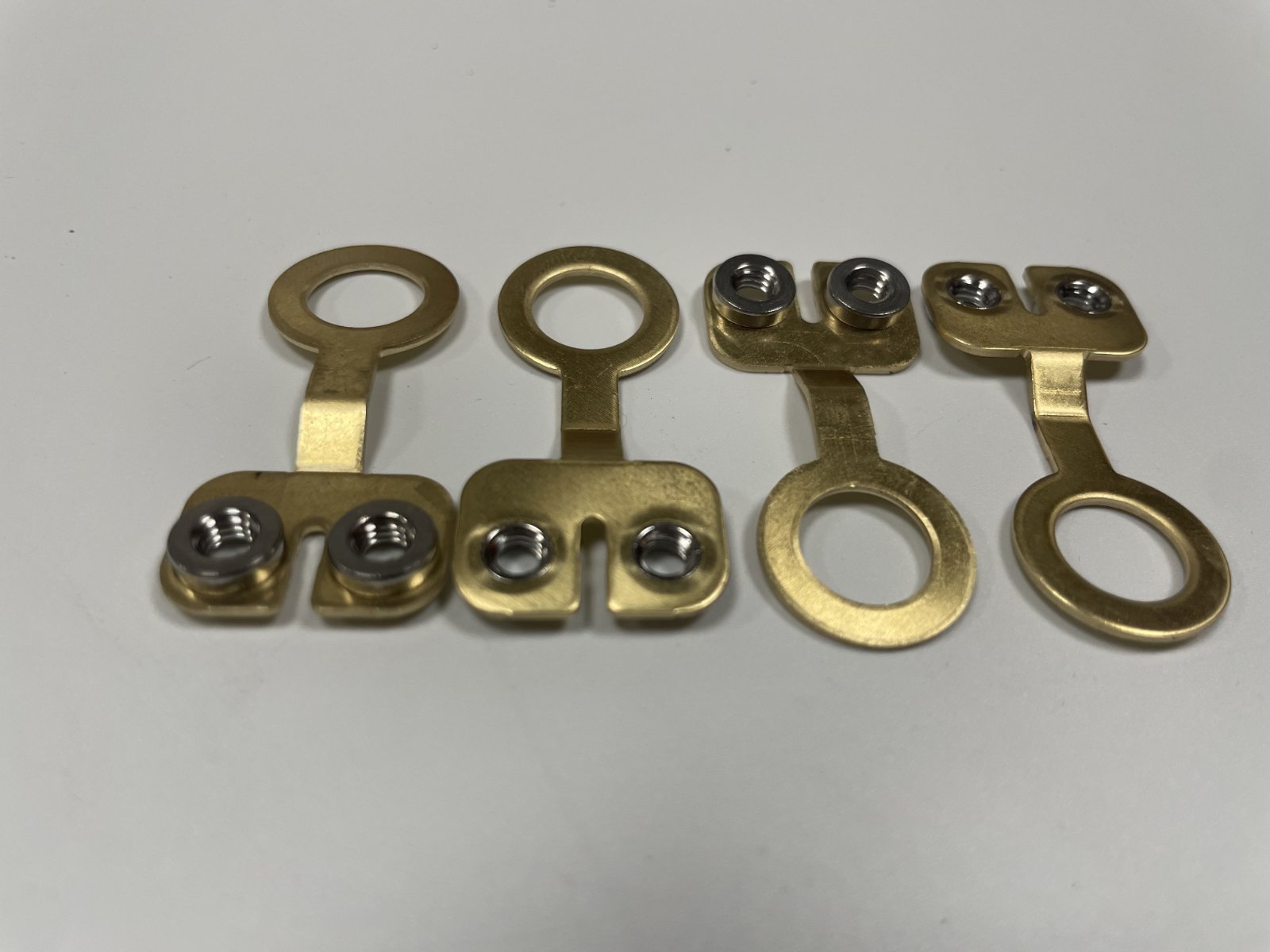
Figure 6: Brass battery terminal connectors with stainless press-in nuts fitted to the fixing holes.
Thickness, Width, and Current Rating
The current rating of a battery terminal connector is not printed on it; it is the result of the cross-section, the joint pressure and the ambient temperature. A supplier can only guarantee the geometry and the material, and the temperature rise has to be confirmed on a sample joint.
As a working rule, the strip thickness is set by the current and the bolt size together: a small module link often runs from 0.8 mm to 1.5 mm, while a traction or storage link runs from 2.0 mm to 4.0 mm. The width is then adjusted so the cross-section carries the current at an acceptable rise. Buyers should state the expected current and the allowed temperature rise at quotation, because a battery terminal connector quoted on outline dimensions alone is not a specification.
Production Difficulty and Quality Risks
From Pack Drawing to Connector Geometry
A battery terminal connector is derived from the module, not designed in isolation. The terminal post diameter fixes the ring, the busbar section fixes the pad, the screw size fixes the hole, and the pitch between cells fixes the overall length. Getting that chain wrong is expensive because the part is cheap and highly tooled: a die change costs far more than the piece price.
For a battery terminal connector the review runs in a fixed order: post and ring first, then the pad and fixing holes, then the screw and thread, then the strip thickness, and last the outline. Where the customer has a module drawing, the connector drawing should reference it rather than repeat dimensions, so that a module revision cannot silently invalidate the part.
Extruded Holes, Press-in Nuts, and Thread Quality
The fixing end is where a battery terminal connector usually fails. A plain punched hole gives a thread barely one material thickness deep, which strips under torque. The standard answer is to extrude the hole first, drawing material up into a collar, and then either tap the collar or press a nut into it.
Extruding adds thread depth without adding strip thickness, but it also thins the wall of the collar, so the die has to be matched to the material and the gauge. A tapped collar is cheaper and works well in thin brass; a stainless press-in nut gives a harder thread and a defined torque for repeated assembly. Whichever route is chosen, screw threads and fastener standards are published by ANSI, and the first article should record the thread gauge and the torque the joint accepts before the batch is released.
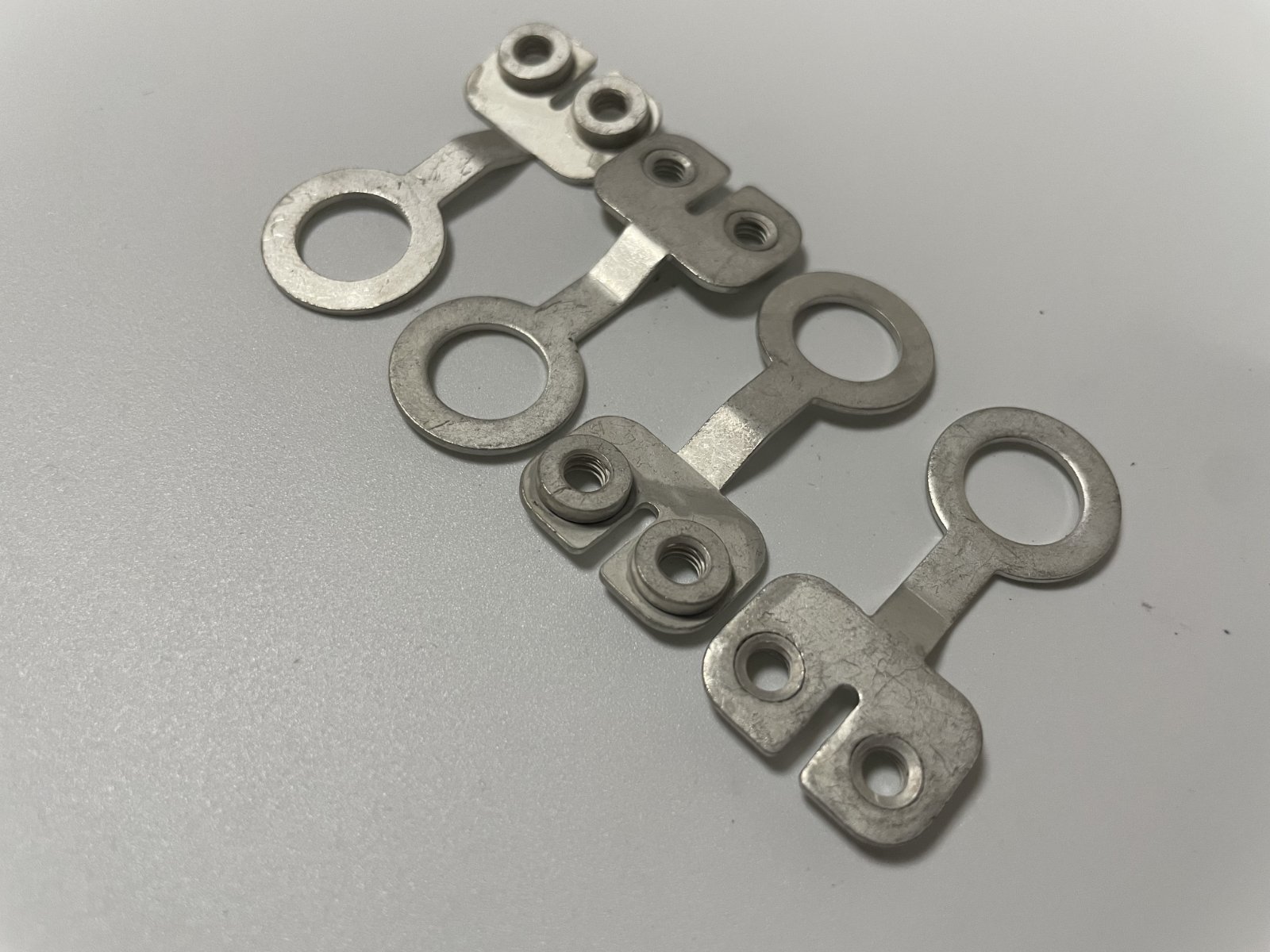
Figure 7: Extruded and tapped fixing collars on a plated battery terminal connector.
Burrs, Flatness, and Plating Consistency
On a battery terminal connector, current passes between two surfaces that must touch completely, so the contact area is a quality characteristic rather than a cosmetic one. A burr on the pad, a raised edge along the blanked profile, or a link that is not flat all reduce the metal-to-metal contact and raise the joint temperature at full load. Deburring is a defined operation on these parts, not a clean-up step.
Plating is the third risk. A coat that is thin at a hole edge or missing inside an extruded collar will oxidise there first, and the failure will appear as a hot joint rather than as a visible defect. Plating thickness and coverage are checked against a first article and followed by batch records, with dimensional and flatness checks following the measurement practice published by NIST. Buyers should ask for the plating thickness range on the quotation, not only the finish name.
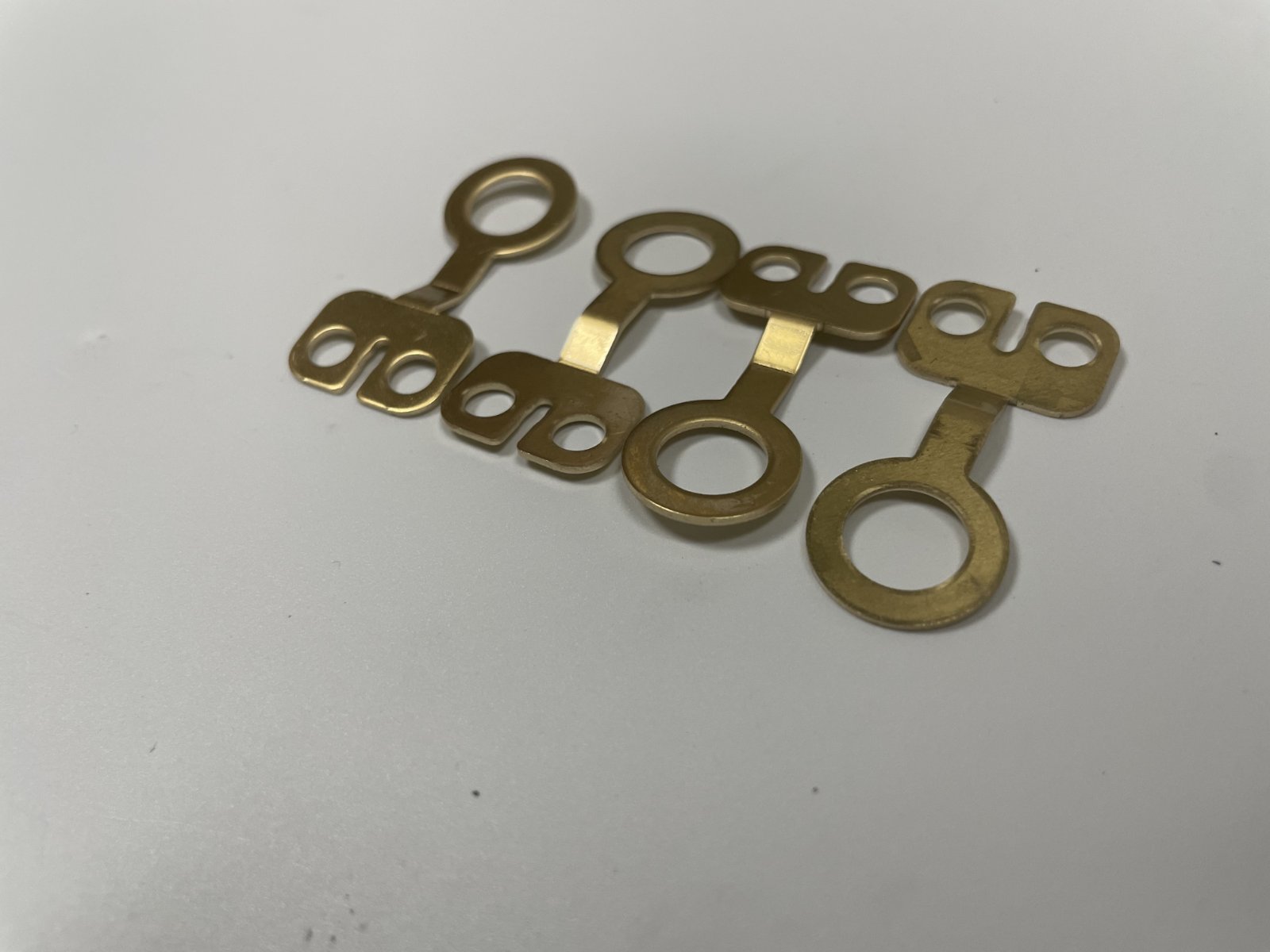
Figure 8: Deburred pad and flat link profile, the two features that decide contact area on a bolted joint.
Standards, Lead Times, and Order Flow
Standards and Documentation
A battery terminal connector is a component inside a product that is regulated as a whole, so the part itself is usually not certified. What the supplier provides is the evidence a battery maker needs: material certificates naming the alloy and the lot, plating thickness records, a first article inspection report, and batch records for the features that touch the joint.
Where a buyer specifies a connection standard, it is normally expressed through the connector or fastener standards published by bodies such as SAE, and product safety evaluation for the finished battery is carried out by laboratories such as UL. Because the part is safety-relevant, agreeing the document set at quotation is more efficient than assembling it afterwards.
Batch Volumes, MOQ, and Realistic Pricing
Because a battery terminal connector is a small stamped item, the economics only work at volume. Realistic production runs from 3,000 to 20,000 pieces per release, with a minimum order around 1,000 to 5,000 pieces depending on the die and the plating, and FOB prices typically between $0.20 and $1.50 each — closer to a fastener than to a fabricated part.
At this scale the unit price is set by the alloy and the number of secondary operations rather than by the blank, and the tooling has to be amortised across the batch, so the opening order normally carries a tooling line. A plain brass link with two punched holes sits at the bottom of the band; a copper link with extruded collars, stainless press-in nuts and a silver finish sits at the top. First batches ship 15 to 25 days after drawing and sample approval, and repeat releases move faster once the die, the fixture, and the plating lot record exist.
Assembly, Post-Processing, and Documents
XHX Metal blanks, pierces, extrudes, forms, deburrs, and taps the part, presses in nuts where the design calls for them, and packs to the customer’s line standard. Plating is carried out by audited partners, with thickness and adhesion recorded against the batch.
An order is supported by the approved drawing with its revision number, material certificates, a first article inspection report, plating records, batch inspection records, and a packing list. For a battery terminal connector the useful extras are a sample board carrying one part from each plating lot and a torque card that the assembly line can keep at the station, because both remove questions that would otherwise be raised after the parts are already on the line.
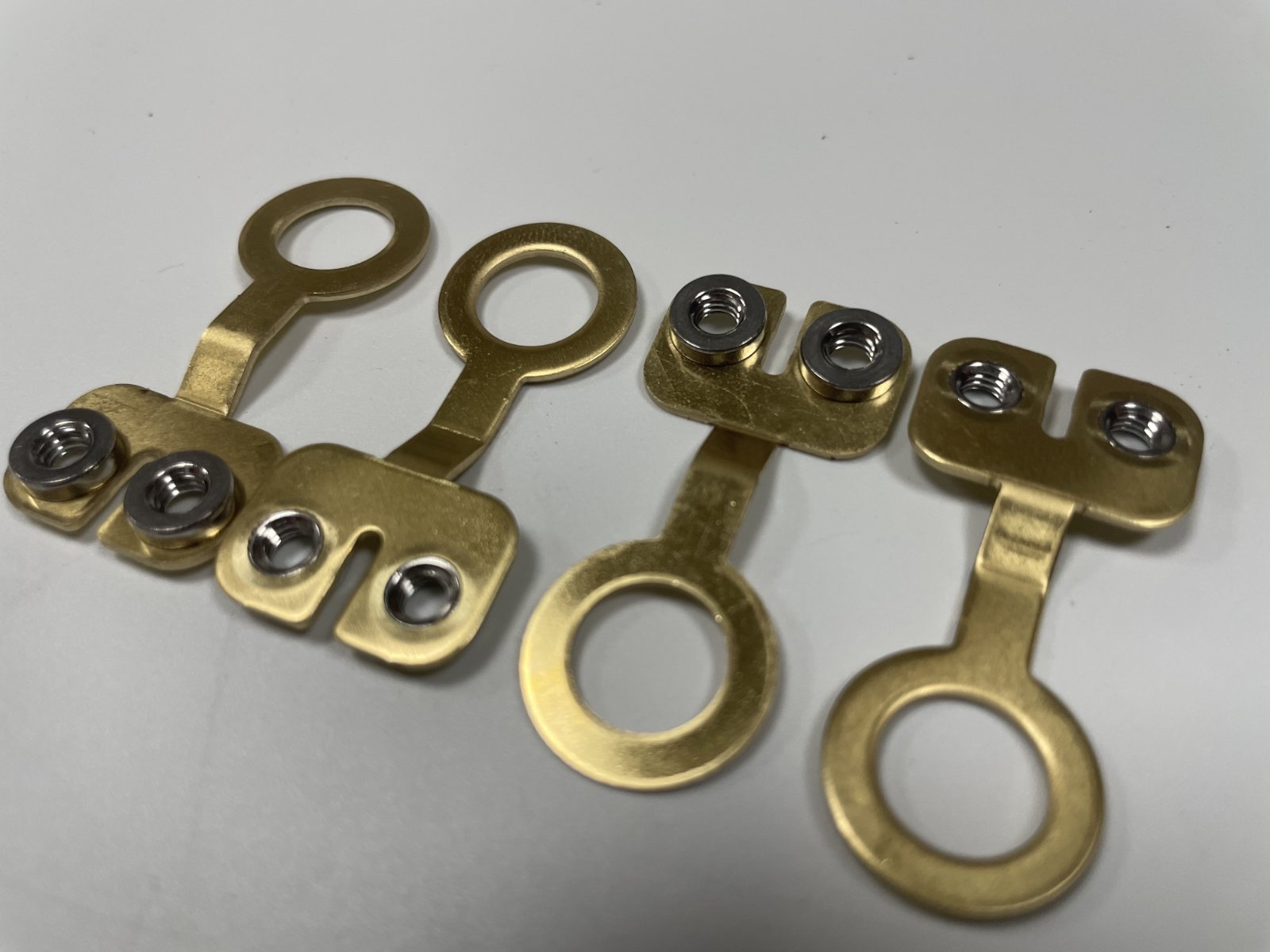
Figure 9: A production set of brass battery terminal connectors packed for a module line.
Case Studies: Battery Terminal Connector Programmes
Case 1: Module Maker — Brass Ring Links
A module manufacturer needed a brass battery terminal connector to join 50 Ah cells to a busbar, with the ring sized to the terminal post and two extruded and tapped holes for M4 screws. The part had to arrive deburred and flat, because the line feeds it from a tray rather than handling it by hand.
We stamped the battery terminal connector in 1.2 mm brass with extruded and tapped collars, deburred both faces and supplied it in labelled trays. The first article recorded the thread gauge, the collar height and the flatness of the pad before the batch was released. Production ran at 10,000 pieces per release, six releases a year, with an MOQ of 5,000 and FOB prices from $0.22 to $0.45 depending on the hole configuration. The first batch shipped 18 days after approval, and annual value was approximately $18,000.
Case 2: Storage Integrator — Nickel Plated Links
An energy storage integrator needed nickel plated battery terminal connectors for rack modules installed in a containerised system, with a specified plating thickness and lot traceability for every delivery.
The battery terminal connectors were stamped in 1.5 mm brass, nickel plated to the agreed thickness and supplied with a sample board carrying one part per plating lot, so the integrator could match each delivery to its installation batch. Production ran at 8,000 pieces per release, four releases a year, with an MOQ of 3,000 and FOB prices from $0.35 to $0.75. First batch lead time was 20 days, and annual value was approximately $18,000.
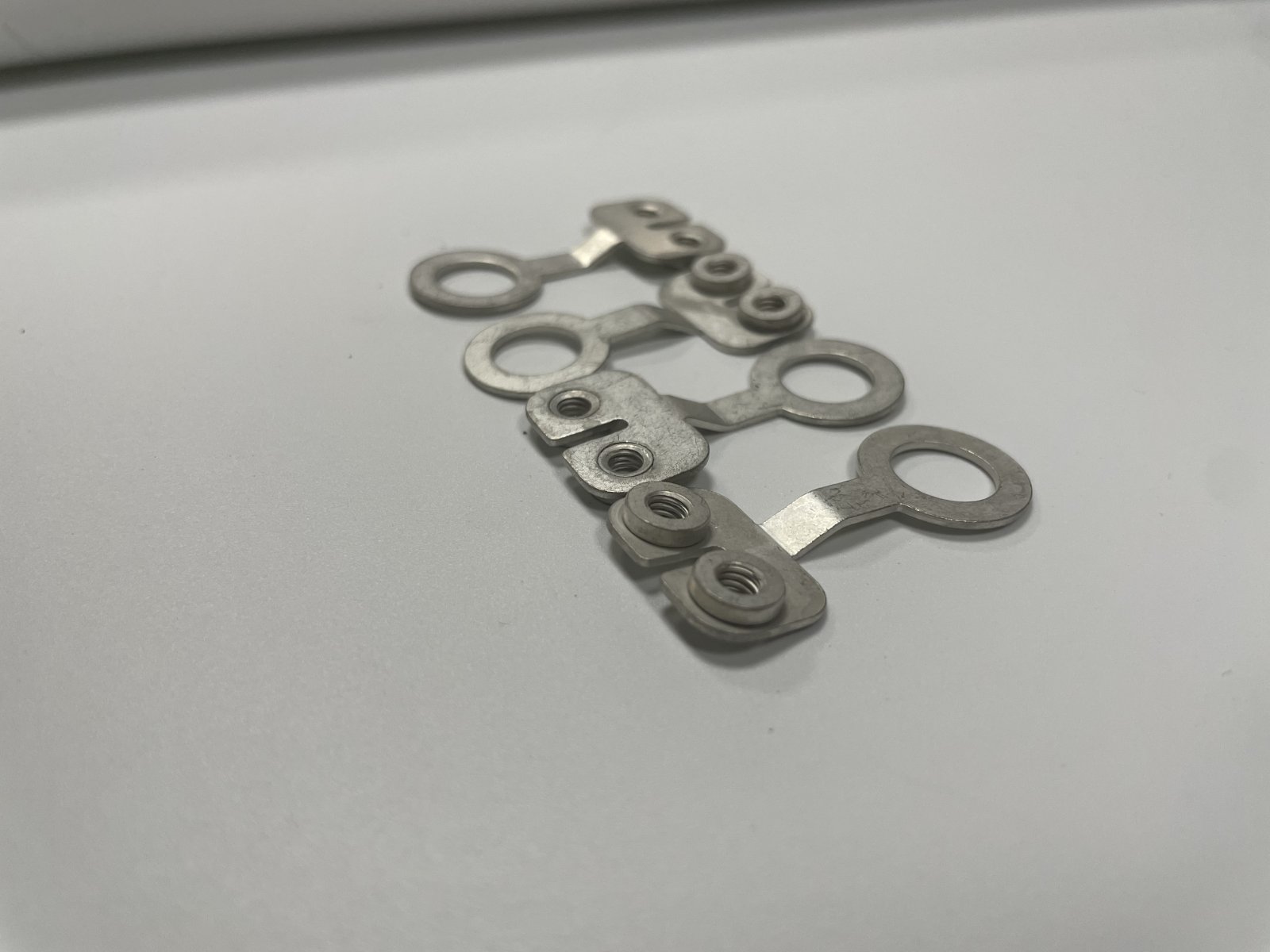
Figure 10: Plated battery terminal connectors from a lot-traceable delivery for storage modules.
Case 3: Traction Pack Builder — Copper Links with Press-in Nuts
A builder of traction packs needed a battery terminal connector that would carry a higher current without an excessive temperature rise, and that would accept a defined screw torque through repeated service assembly.
The battery terminal connector was produced from copper strip with extruded collars and stainless press-in nuts, silver plated on the contact faces, and supplied with a joint sample that had been bolted to the customer’s busbar and temperature tested. Production ran at 5,000 pieces per release, four releases a year, with an MOQ of 2,000 and FOB prices from $0.95 to $1.80 for the copper and silver combination. The first batch shipped 22 days after approval, and annual value was approximately $27,000.
Summary and Next Steps
How to Choose a Battery Terminal Connector Supplier
The supplier that fits this part can blank, extrude, tap or press in a nut, deburr, and plate it under one quality system, and can document the two features that decide the joint: thread quality and contact area. Ask for a first article report that records the thread gauge, the collar height, the flatness of the pad, and the plating thickness.
For a battery terminal connector, check that the quotation states the alloy, the strip thickness, the plating and its thickness range, whether a press-in nut is included, and whether tooling is charged separately. Match the supplier to the batch size as well: a 5,000-piece release is planned differently from a container-volume programme.
Why XHX Metal
XHX Metal produces a battery terminal connector from drawing to delivered lots: blanking, piercing, extruding, forming, deburring and tapping in one factory, with plating through audited partners and inspection recorded per batch.
The company has manufactured stamped and formed metal parts for export customers from Dongguan since 2014, and holds ISO 9001:2015 certification with CE documentation and SGS records. For a battery terminal connector programme, samples follow in 5 to 10 working days and first batches in 15 to 25 days.
How to Start Your Programme
Send the drawing or a sample of the existing battery terminal connector with the terminal post diameter, the busbar section, the screw size, the expected current, the plating, the annual volume and release pattern. If no drawing exists, we will measure the sample.
Programmes are handled directly through the contact page.
FAQ: Battery Terminal Connector
Do you make the complete assembly or only the metal part? We make the metal link, including the extruded holes, the thread, and any press-in nut; the screws, insulation and busbars can be supplied separately.
Can you match a sample we already use? Yes. Send the part and we will measure it, issue a drawing and produce a sample for approval.
What is the minimum order? MOQ is typically 1,000 to 5,000 pieces depending on the die and the plating, because a small stamped part only makes sense at volume.
Which plating should we choose? Nickel for a hard, stable contact surface on bolted joints, tin for parts that will be soldered, and silver for the lowest contact resistance at high current.
Can you test the joint temperature rise? We supply a joint sample bolted to your busbar, which you can load and test, and we record the torque that the thread accepts.
How long does a sample take? A sample follows in 5 to 10 working days after drawing approval, and the first batch ships 15 to 25 days after approval.